
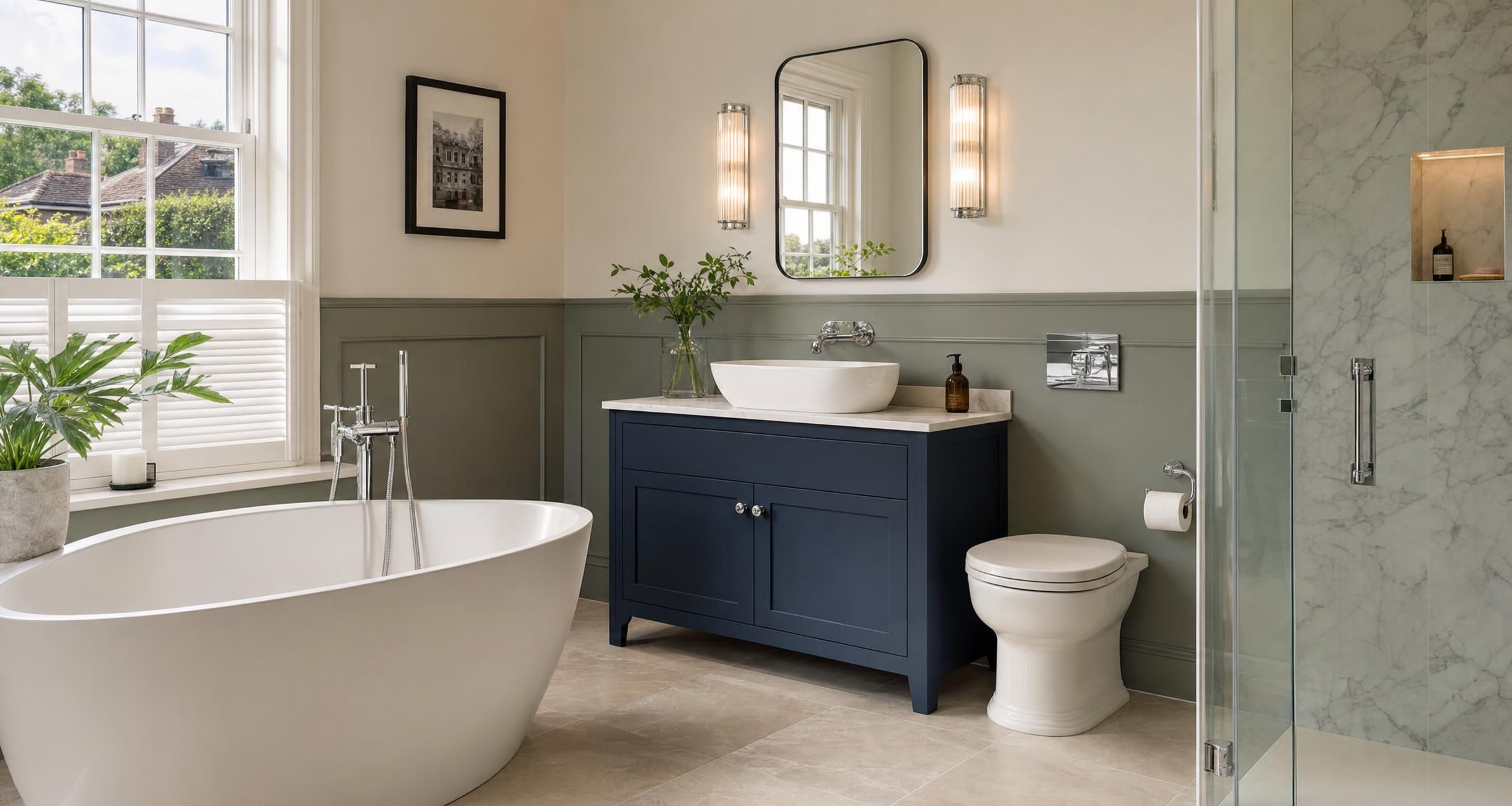
Plumbers in Manningtree
Finding reliable plumbers in Manningtree is not simply a matter of choosing the lowest quote. Plumbing work affects your water supply, heating, drainage, hygiene and, in some homes, gas appliances. A small issue such as a dripping pipe joint can often be resolved quickly, while a concealed leak, failed boiler component or drainage problem can cause significant damage if it is handled poorly or left too long.
Whether you need an emergency repair, a bathroom installation, a new radiator, a replacement tap or help tracing a leak, the best outcome usually starts with a clear description of the problem and a properly qualified professional. This guide explains what a plumber can help with, what work should cost, what paperwork to expect and how to compare quotes with confidence.
What plumbers in Manningtree can help with
Most domestic plumbers deal with water supply pipes, waste pipes, sanitaryware, heating pipework and common household plumbing faults. Some also have qualifications for gas work, unvented hot water cylinders, drainage, bathrooms or renewable heating systems. Do not assume that every plumber offers every service.
Leaks, bursts and water damage
Leaks are among the most common reasons homeowners call a plumber. The visible drip may be the easy part. The harder work is often finding where water is entering a floor void, kitchen unit, wall or ceiling.
A plumber may need to isolate the supply, inspect pipework, remove a section of damaged copper or plastic pipe, replace fittings and test the repair under pressure. If a leak has damaged electrical fittings, flooring or plasterboard, those repairs are normally separate from the plumbing work.
For a minor issue that is clearly accessible, such as a loose compression fitting under a basin, homeowners may be able to take basic action. However, a slow leak can still soak chipboard flooring or cabinet bases over time. Read How to Repair Minor Plumbing Leaks before attempting a small repair, and stop if the issue involves concealed pipes, a mains supply, a cylinder or any uncertainty about isolation.
Taps, toilets, sinks and showers
Common repair jobs include dripping taps, seized stop valves, toilet cistern faults, leaking waste traps, blocked sink wastes, shower valve problems and worn silicone around baths or shower trays. The source matters. Water appearing beneath a shower enclosure may be caused by failed sealant, but it can also come from the trap, waste pipe, shower valve or cracked tray.
Replacing a tap is straightforward only if the isolation valves work, the existing pipework is sound and the new tap fits the existing holes and connections. A plumber should identify any compatibility issue before fitting the item rather than forcing mismatched fittings into place.
Radiators, heating pipework and boilers
A plumber can repair or alter heating pipework, fit radiators, replace radiator valves, balance a system and deal with circulation issues. If the job involves a gas boiler, gas pipework, a gas fire or a gas cooker, the person carrying out the gas work must be registered with the Gas Safe Register and qualified for the specific appliance category.
Not every plumber is a Gas Safe engineer. Equally, being Gas Safe registered does not automatically mean someone specialises in bathrooms, drainage or complex pipe alterations. Ask about the exact work you need.
Bathrooms, cloakrooms and utility rooms
A bathroom plumber may install baths, showers, basins, toilets, wastes, valves and new pipework. A full refurbishment usually needs more than one trade. Tiling, electrical work, plastering, joinery, ventilation and flooring may all be required.
Good bathroom plumbing involves planning pipe routes, isolating valves, access to traps and serviceable components, suitable waste falls and proper sealing around sanitaryware. Poorly planned work can leave concealed joints with no access, shower wastes that drain slowly, or a toilet that has to be removed to repair a hidden fault.
Water pressure, cylinders and pumps
Low pressure is often misdiagnosed. Before agreeing to install a pump, a plumber should establish whether the issue affects hot water, cold water or both. The cause may be a partially closed stopcock, blocked tap aerator, failed pressure reducing valve, restricted pipework, a combi boiler fault or an issue with the incoming supply.
Unvented hot water cylinders require particular care because they store water under pressure. Installation and servicing should be carried out by a person with the relevant unvented hot water qualification. The safety devices must not be altered, isolated or bypassed.
Drainage and blockages
Many plumbers clear local blockages in sinks, basins, baths, toilets and internal wastes. More serious drainage issues may require a drainage specialist with rodding equipment, jetting equipment or a camera survey.
A repeated blockage should not be treated as a one off inconvenience. Recurring problems can indicate poor pipe falls, damaged pipework, intrusive roots, poor bathroom installation or unsuitable materials being flushed into the system.
How to decide whether to call a plumber urgently
Some plumbing issues can wait for a planned appointment. Others need immediate action to limit damage or reduce safety risks.
| Problem | First action | Likely urgency |
|---|---|---|
| Water pouring from a pipe or ceiling | Turn off the internal stopcock if safe to do so, then isolate electrical circuits near water if necessary | Emergency |
| Gas smell or suspected gas leak | Turn off the gas supply if safe, open doors and windows, leave the property and call the gas emergency service on 0800 111 999 | Emergency |
| No hot water from a gas boiler | Check pressure and controls only if you understand them, then call a Gas Safe engineer | Urgent, depending on household needs |
| Slow drip below a sink | Place a container below, avoid using the fitting and arrange repair | Planned repair |
| Toilet will not flush and there is only one toilet | Stop further flushing and arrange a prompt visit | Urgent |
| One radiator cold at the top | Bleed carefully if competent, then investigate if the issue returns | Planned repair |
Every homeowner should know where the internal stopcock is located. It is commonly near the kitchen sink, utility room, airing cupboard or where the water supply enters the property, but layouts vary. Test it occasionally, particularly before winter, because an unused stopcock can seize just when it is needed.
If there is a significant leak, do not keep tightening fittings until something breaks. Do not use a blowtorch near timber, insulation, cables or concealed voids. For a clear explanation of where DIY stops and professional work should begin, see When to Call a Professional Plumber vs. DIY.
How to choose a suitable plumber
The right checks depend on the work. A competent plumber for a kitchen tap replacement may not be the best person for a boiler repair, a pressurised cylinder or a full bathroom refurbishment.
Ask about relevant experience
Describe the job accurately and ask whether the plumber has completed similar work. For example, if you have a concealed shower valve, a pumped shower, a macerator toilet or an unvented cylinder, mention it at the outset. Specialist systems can need manufacturer specific parts and diagnostic knowledge.
For a bathroom project, ask who will carry out the different elements. If one contractor manages the job, establish whether they use separate electricians, tilers and plasterers, and who is responsible for coordination.
Check qualifications and registration
Gas work must be completed by a Gas Safe registered engineer with the correct appliance competencies. You can check an engineer and their registration details through the Gas Safe Register.
Electrical work in bathrooms can involve controlled work under Part P of the Building Regulations. An electrician registered with a competent person scheme can normally self certify eligible work and provide the relevant certificate. The plumber may carry out plumbing connections, but electrical connections to pumps, electric showers, lighting or heated towel rails should be handled by a competent electrician.
For larger plumbing work, ask whether the contractor has public liability insurance and whether labour and materials are covered by a written guarantee. A guarantee is useful only if it is specific about the work, length of cover and exclusions.
Look for clear communication before work starts
A good plumber asks questions. They may request photographs, ask whether there is access beneath a floor, check the make and model of a boiler or ask whether parts have already been purchased. These questions are not delay tactics. They help avoid wasted visits and incorrect parts.
Be cautious if someone gives a firm price for complex work without asking about the existing installation. A hidden leak, old pipework, inaccessible floor void or unsuitable previous work can change the scope significantly.
Use practical checks rather than relying solely on star ratings. Ask for a written scope, confirm who will attend, verify qualifications where applicable and understand payment arrangements. Our guide on How to check a trade is trustworthy sets out useful checks before you commit.
What to include when requesting plumbing quotes
A detailed job description produces better quotes and fewer disputes. A plumber does not need a full technical specification for every small repair, but they do need enough information to assess likely labour, materials and risks.
- Describe the fault, when it started and whether it is getting worse.
- State whether water is isolated and whether there is active leaking.
- Include clear photographs and a short video where useful.
- Give the make, model and age of boilers, cylinders, pumps or shower equipment if known.
- Explain access restrictions, such as boxed in pipework, tiled walls, fitted kitchen units or floors that may need lifting.
- Say whether you are supplying taps, sanitaryware, radiators or shower equipment.
- For bathroom work, provide room dimensions, layout ideas and the location of existing services.
- Confirm whether you need disposal of old fittings and packaging.
- State your preferred timescale, especially if a bathroom or kitchen will be out of use.
For substantial alterations, ask for a site visit before accepting a fixed price. Remote estimates are useful for an initial budget, but they cannot reveal every hidden issue.
Typical plumbing costs for homeowners
Prices vary with access, materials, urgency, parking, the age of the installation and whether the work uncovers defects. The figures below are realistic broad UK ranges for labour and ordinary materials. Complex jobs, premium fittings and emergency attendance can cost more.
| Type of work | Typical price range | Typical timeframe |
|---|---|---|
| Standard daytime call out and first hour | £80 to £160 | About one hour |
| Emergency evening or weekend attendance | £150 to £300 or more before parts | Usually same day |
| Repair a minor accessible leak | £100 to £250 | One to three hours |
| Replace a kitchen or basin tap | £120 to £300 labour and basic fittings, excluding premium tap | One to three hours |
| Repair a toilet cistern | £100 to £250 | One to two hours |
| Replace a toilet | £250 to £550 excluding the toilet and major pipe alterations | Half day to one day |
| Replace a radiator | £200 to £450 excluding radiator and valves | Half day |
| Install a new radiator with pipe alterations | £350 to £800 or more | One day |
| Replace a shower tray and waste | £500 to £1,500 or more depending on tiling and access | One to three days |
| Full bathroom plumbing element | £2,000 to £5,000 or more | Several days to two weeks within a wider refurbishment |
Call out charges can be misunderstood. Some plumbers charge a fixed attendance fee that includes the first hour. Others charge a call out fee plus an hourly rate. Emergency rates commonly increase outside normal working hours. Ask whether VAT, travel, parking, investigation time and materials are included. For a fuller explanation, see Plumber Call Out Charges.
Why quotes for the same job can differ
A lower quote may exclude materials, waste disposal, making good, VAT or the time needed to test the finished installation. A higher quote may include better quality valves, pipe insulation, access panels, pressure testing and a longer workmanship guarantee.
For larger work, compare each quote line by line. Check whether it includes isolation valves, wastes, traps, sealants, pipework, boxing in, removal of existing fittings, tiling preparation, electrical work and final testing. If one quote says “fit customer supplied bathroom suite”, clarify exactly what is included.
Do not buy bathroom fittings purely because they are cheap. Some imported products have non standard connections, limited spare parts availability or instructions that do not match UK plumbing practice. Confirm compatibility before ordering.
Plumbing regulations, safety and certification
Many routine repairs do not need building control approval. However, plumbing can involve legal and safety requirements, particularly where hot water systems, drainage, gas appliances and electrical work are affected.
Water fittings requirements
Water fittings must be installed to prevent waste, contamination and backflow into the drinking water supply. The rules apply to pipework, valves, appliances and fittings connected to the mains supply. Materials should be suitable for potable water where they carry drinking water.
Certain higher risk installations may need to be notified to the local water supplier before work starts. Examples can include some new connections, rainwater harvesting systems, certain bidets and some water treatment equipment. Guidance is available from Water Regs UK.
Building Regulations and drainage
Building Regulations may apply where new drainage is installed, a bathroom is added, structural work is needed to run pipework, or a new hot water system is fitted. Approved Document G covers sanitation, hot water safety and water efficiency. Approved Document H addresses drainage and waste disposal.
In practical terms, a new bathroom should have correctly sized wastes, adequate falls, suitable ventilation arrangements and proper sanitary provision. A plumber who proposes running a waste pipe with little or no fall, or relying on excessive sealant to solve an alignment issue, is creating a future problem.
Gas and electrical safety
Only a suitably registered Gas Safe engineer should work on gas appliances and gas pipework. Ask to see identification if you are unsure, and check that the engineer is registered for the job being carried out.
Bathrooms have electrical zones because of the risk created by water and electricity together. Electrical alterations should be designed and tested properly. Do not allow a plumber to connect an electric shower, alter bathroom circuits or install electrical accessories unless they are qualified and able to provide the relevant electrical certification.
Common plumbing mistakes that lead to expensive repairs
Ignoring small leaks
A drip beneath a kitchen sink can damage cabinet bases, flooring and adjoining walls. A leak from a heating pipe beneath a suspended floor may remain hidden until pressure drops repeatedly or staining appears. Deal with unexplained water loss promptly.
Using chemical drain cleaner repeatedly
Strong drain cleaners can damage some pipework and seals, especially if used frequently or mixed with other products. They can also make later repair work dangerous for the person opening the waste system. A plunger, careful removal of debris from a trap or professional clearance is often safer.
Covering access points permanently
Boxing in pipework can improve a room visually, but valves, traps, shower pumps and serviceable connections may need access later. A well designed removable panel can save the cost of damaging tiles, plasterboard or cabinetry during a future repair.
Fitting unsuitable pipes or connectors
Pipe materials and fittings need to be compatible with the system and properly supported. Plastic pipe must be protected where required, inserted correctly with pipe stiffeners where applicable and kept away from excessive heat. Copper pipe needs secure joints and suitable clipping. Flexible connectors have their place, but they are not a substitute for good pipework design.
Changing boiler pressure without identifying the cause
If a boiler pressure gauge repeatedly drops, simply topping it up is not a repair. The system may have a leak, a faulty pressure relief valve, an issue with the expansion vessel or another fault. Repeatedly refilling can introduce fresh oxygenated water, which can contribute to corrosion inside the heating system.
A practical checklist before work begins
- Confirm the plumber understands the fault or project scope.
- Check Gas Safe registration for any gas work.
- Ask whether electrical work will be needed and who will certify it.
- Get the price basis in writing, whether fixed price, hourly rate or estimate.
- Confirm whether materials, VAT, disposal and parking are included.
- Agree how unexpected defects will be priced and authorised.
- Check whether you need to provide taps, tiles, sanitaryware or valves.
- Protect belongings near the work area and clear access to stopcocks, meters and appliances.
- Ask about water shut off periods and whether toilets, sinks or heating will be unavailable.
- Keep copies of invoices, guarantees, gas records and electrical certificates.
For a larger project, avoid paying the full amount before work is complete. A sensible payment schedule may include a modest deposit for special order materials, staged payments for defined progress and a final payment after testing, snagging and receipt of agreed paperwork.
Questions to ask before hiring a plumber
Clear questions prevent assumptions. Ask whether the plumber has experience with the product or system, whether they can source parts, how long the work should take and what could change the quoted price.
For a bathroom or kitchen project, ask who is responsible for coordinating different trades. If work requires tiling to be removed, flooring lifted or walls opened, establish whether reinstatement is included. Plumbing repairs often expose hidden defects, particularly in older installations, so it is sensible to agree a process for approving additional work before it starts.
Ask what testing will be carried out. Depending on the job, this could include checking for leaks, testing waste flow, bleeding radiators, balancing heating, confirming water temperature or checking operation of safety devices.
FAQ about plumbers in Manningtree
How much does it cost to hire plumbers in Manningtree?
For a standard daytime visit, homeowners often pay around £80 to £160 for attendance and the first hour, with additional labour and parts charged separately. A simple accessible repair may cost £100 to £250. Emergency work outside normal hours can cost £150 to £300 or more before materials. The final cost depends heavily on access, the type of pipework, parts required and whether the problem is straightforward or concealed.
Do I need a Gas Safe engineer for boiler or heating work?
You need a Gas Safe registered engineer for any work on a gas boiler, gas pipework, gas cooker or gas fire. A plumber may be skilled at heating pipework and radiators but cannot legally carry out gas work unless they hold the relevant Gas Safe registration and appliance competencies. Always verify the engineer rather than assuming their trade title covers gas work.
Can a plumber install a new bathroom without building regulations approval?
Many bathroom replacements do not require a separate planning application. Building Regulations can still apply to elements of the work, particularly drainage, hot water safety, ventilation, structural alterations and electrical installations. A new bathroom may also need suitable extraction ventilation. If walls are altered, new drainage routes are created or electrical circuits are changed, ask the contractor how compliance and certification will be handled.
Should I repair or replace a leaking tap?
A repair is often worthwhile if the tap is good quality and replacement cartridges, valves or seals are readily available. Replacement may be more economical if the tap is heavily corroded, parts are obsolete, the finish is damaged or the body is leaking. A plumber can identify whether the fault is in the cartridge, washer, spindle, flexible connector or tap body before you buy a replacement.
What should I do if a pipe bursts at home?
Turn off the internal stopcock if it is safe to reach, then open cold taps to drain remaining water from the pipes. Switch off electricity at the consumer unit if water is close to electrical fittings or sockets and it is safe to do so. Move valuables away from the area, contain water where possible and call an emergency plumber. Do not attempt soldering or major repairs while water remains in the pipework.
Final Thoughts
Good plumbing work is rarely just about stopping a leak or fitting a new tap. It depends on correct diagnosis, sound materials, suitable access, proper testing and the right qualifications for gas, hot water and electrical work. Taking time to describe the job properly and compare like for like quotes will help you avoid unnecessary cost and repeat repairs.
If you need plumbing repairs, installation work or help with a larger project, post a job on BookaBuilderUK to receive free quotes from vetted local tradespeople.


