
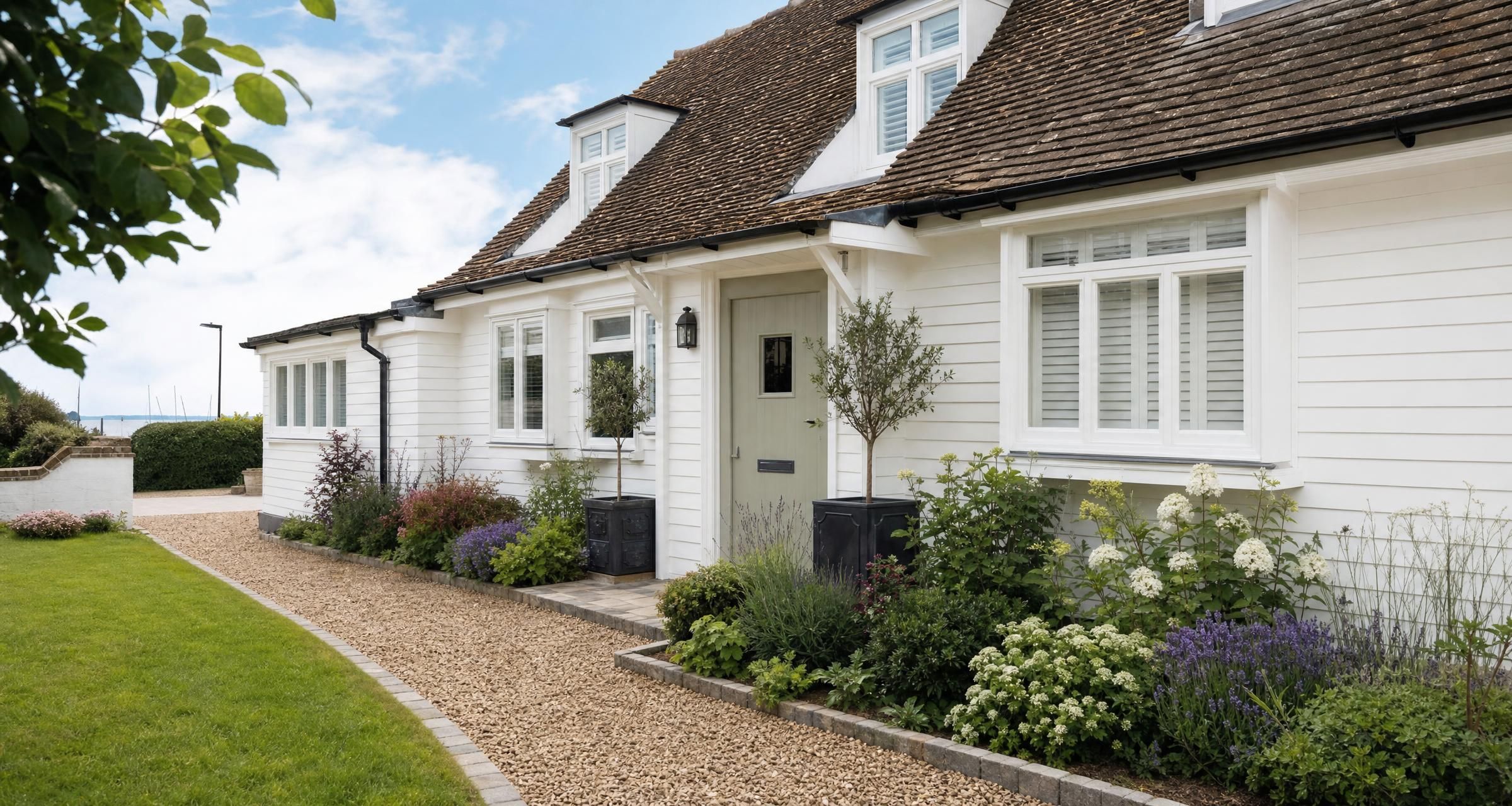
Property Maintenance in West Mersea
Property Maintenance in West Mersea covers far more than fixing the occasional dripping tap or replacing a broken fence panel. A well maintained home needs regular attention to its roof, gutters, drainage, exterior finishes, heating, electrics, plumbing and internal condition. Small defects are usually cheaper to correct early, while neglected issues can develop into water damage, rot, damp, mould, electrical hazards or costly structural repairs.
For homes in coastal settings, maintenance deserves particular attention. Wind driven rain, salt carrying air and periods of high humidity can accelerate wear on exposed metalwork, external timber, gutters, roof coverings and paint finishes. The right approach is not to carry out unnecessary work, but to inspect the property methodically, act on evidence and use competent tradespeople for work that affects safety, weather resistance or compliance.
This guide explains what routine maintenance should involve, how often different parts of a home need checking, what repairs usually cost, and how to choose the right professional for the job.
What Property Maintenance in West Mersea Usually Includes
Property maintenance is the planned upkeep of a home, rather than a major extension, renovation or rebuild. It includes preventative work, minor repairs and replacement of components that have reached the end of their useful life.
A skilled builder, handyman or specialist trade may help with several maintenance tasks, but homeowners should use the correctly qualified person where work involves gas, electrical installations, roofing at height, drainage, structural alterations or hazardous materials.
External maintenance
External work protects the building fabric from weather. Water is the main cause of avoidable property damage, so roof coverings, flashings, gutters, downpipes, drains, pointing and external sealants should be checked regularly.
- Clearing gutters, hoppers and downpipes
- Repairing slipped, cracked or missing roof tiles
- Renewing damaged flashing around chimneys, skylights and abutments
- Repointing worn brickwork and repairing cracked render
- Replacing failed sealant around windows and doors
- Repairing rotten fascias, soffits, bargeboards and external timber
- Treating corrosion on gates, railings and external metalwork
- Repairing fences, gates, sheds, decking and paving
- Keeping air bricks, gullies and drainage channels clear
Internal maintenance
Inside the home, regular checks can identify leaks, condensation, failed seals, loose fittings and defective equipment before damage spreads.
- Repairing dripping taps, leaking wastes and faulty stop valves
- Resealing baths, showers, sinks and worktops
- Repairing loose floorboards, damaged plaster and cracked tiles
- Servicing boilers and checking heating controls
- Testing smoke alarms and carbon monoxide alarms
- Repairing doors, locks, hinges, windows and draught seals
- Investigating mould, staining or persistent condensation
- Checking extractor fans in kitchens, bathrooms and utility rooms
Seasonal and safety work
Some jobs are best planned around the seasons. Gutters, gullies and roof valleys are sensible priorities during autumn, while exterior decorating and masonry repairs are generally better scheduled during a dry period with suitable temperatures.
Annual gas boiler servicing should be carried out by a Gas Safe registered engineer. Electrical work should be undertaken by a competent electrician, particularly where new circuits, consumer unit work, bathrooms, kitchens or outdoor supplies are involved. A homeowner should never assume that a general maintenance operative is qualified to carry out regulated gas or electrical work.
Start With a Practical Maintenance Inspection
A useful inspection does not require specialist equipment. Walk around the property after heavy rain if it is safe to do so. Look for overflowing gutters, damp patches below downpipes, standing water near walls, loose roof materials, damaged pointing, failed sealant and staining on ceilings or external walls.
Indoors, use your senses. Musty smells, cold patches, peeling paint, bubbling wallpaper, mould around windows and a sudden increase in heating bills can all indicate a maintenance issue. Check beneath sinks, behind washing machines, around toilets and near shower trays for signs of slow leaks.
Do not climb onto a roof, lean ladders against gutters or attempt high level repairs without suitable training and equipment. Falls from height remain one of the most serious risks in domestic maintenance. The Health and Safety Executive guidance on work at height explains why ladders and roof access must be properly planned and controlled.
A homeowner maintenance checklist
- Test smoke alarms monthly and replace batteries where required.
- Test carbon monoxide alarms in rooms with fuel burning appliances.
- Check for visible leaks beneath sinks, appliances and radiators every few months.
- Inspect silicone seals around showers and baths for gaps, discolouration or lifting.
- Clear leaves and debris from gutters at least once each year, and more often near trees.
- Check downpipes discharge properly into gullies or drainage connections.
- Look for loose tiles, cracked render, defective pointing and damaged roof flashings.
- Keep air bricks clear of soil, leaves, paving and stored items.
- Lubricate locks, hinges and gate latches with an appropriate product.
- Inspect timber paintwork for cracks, flaking and soft areas before rot takes hold.
- Arrange an annual boiler service and retain the service record.
- Review exterior lighting, paths and steps before darker winter evenings.
Keep a simple record of inspections, invoices, guarantees and certificates. This makes it easier to monitor recurring issues, plan expenditure and demonstrate care of the property if you later sell or let it.
Roof, Gutters and Rainwater Goods Need Early Attention
Most serious maintenance problems begin with uncontrolled water. A blocked gutter can overflow against brickwork, saturate a fascia board, wash out mortar joints and create damp inside the building. A small missing tile can allow rain into the roof space, where insulation and timber may be affected long before a ceiling stain appears.
Look for gutter joints that drip during rain, downpipes that back up, staining below eaves, vegetation growing in valleys, sagging gutter runs and water splashing against the base of walls. Gutters should fall gently towards the outlet. If they are level, distorted or poorly supported, water can sit in them and overflow.
For more detail on safe checks and preventative work, see Expert Tips on Maintaining Your Roof and Gutters.
A roofer should investigate recurring leaks, slipped tiles, damaged ridge mortar, chimney flashing defects or signs of water entering the loft. Ask them to provide photographs of high level defects before and after the repair. This is particularly useful where the issue cannot be safely viewed from the ground.
Typical roof and gutter maintenance costs
| Type of work | Typical UK price range | Likely timeframe |
|---|---|---|
| Gutter clearing for a typical house | £70 to £180 | One to three hours |
| Minor gutter joint or bracket repair | £80 to £250 | One to three hours |
| Replacement section of uPVC guttering | £150 to £450 | Half a day to one day |
| Replace a small number of roof tiles | £180 to £500 | Half a day to one day |
| Local flashing repair | £300 to £900 | One to two days |
| Scaffold access where required | £700 to £1,800 or more | Usually erected before work starts |
Prices depend heavily on height, access, roof pitch, material type, whether scaffolding is necessary and the extent of hidden damage. A low level gutter repair may be straightforward. The same repair at a difficult roof edge can cost more because safe access is the main expense.
Drainage, Gullies and Ground Levels Are Often Overlooked
Water should be directed away from the building, through sound gutters and downpipes, into properly functioning drainage. If gullies are blocked, downpipes discharge too close to walls or paving slopes towards the house, moisture can accumulate around the building fabric.
Check external gullies after leaf fall and heavy rain. Remove surface debris using gloves, but do not put hands deep into drains or attempt to clear a serious blockage with unsuitable tools. Slow draining toilets, sinks and baths, sewage smells, repeated gully overflow and water backing up are signs that a drainage contractor may be required.
Read Understanding Drains and Gullies Around the Home Common Faults Maintenance and When Repairs Are Needed for a closer look at common drainage faults and the point at which a repair is more sensible than repeated clearing.
Ground levels also matter. Soil, gravel, decking and paving should not bridge the damp proof course or cover air bricks. Where possible, external ground should sit well below the damp proof course. Raising patios or flower beds against external walls can create damp conditions that are wrongly blamed on rising damp.
Damp, Condensation and Mould Must Be Diagnosed Properly
Damp is a symptom, not a diagnosis. It may be caused by a roof leak, defective guttering, plumbing leak, failed pointing, cracked render, bridging of the damp proof course, poor ventilation or condensation. Treating the visible mould without addressing the moisture source rarely works.
Condensation is common in bathrooms, kitchens, bedrooms and poorly ventilated rooms. It is made worse by drying clothes indoors without ventilation, covering air vents, using unvented tumble dryers, short bursts of heating and failing extractor fans. A bathroom fan should continue running after bathing and ideally vent directly outside rather than into a loft or ceiling void.
If mould returns quickly, walls feel wet, timber is soft, plaster is crumbling or there is a persistent musty odour, arrange a proper investigation. A competent professional should inspect the exterior, roof space, plumbing and ventilation before suggesting treatments.
Homeowners dealing with this issue can also refer to Expert Advice on Dealing with Damp and Mould.
Be cautious about companies that diagnose rising damp solely from a handheld moisture meter pushed into plaster. These meters can react to salts and other materials, and their readings need interpretation. A sound survey considers the pattern of damage, moisture source, wall construction, ventilation and ground levels.
How to Choose the Right Maintenance Professional
The right person depends on the work. A reliable general builder may be suitable for repairs to brickwork, fencing, plaster, joinery, paving and minor fabric issues. A specialist is usually the better choice for roofing, drainage, heating, electrical work, glazing, structural movement or damp investigation.
Ask what similar work they have completed recently and whether they will carry out the work themselves or use subcontractors. For jobs involving several trades, clarify who is responsible for coordination, waste removal, protection of finishes and making good afterwards.
Checks worth making before you hire
- Ask for a written scope of work, not just a single total figure.
- Confirm public liability insurance and ask for evidence if the work carries meaningful risk.
- Check that gas engineers are listed on the Gas Safe Register.
- Ask electricians whether their work will be certified and whether they are registered with a competent person scheme.
- Check roofing contractors have suitable access plans and insurance for work at height.
- Request recent references or examples of comparable work.
- Clarify the workmanship guarantee and any manufacturer guarantee on materials.
- Agree payment stages before work begins.
- Do not pay the full amount in advance for ordinary maintenance work.
For gas safety, use the official Gas Safe Register to check the engineer and the type of work they are qualified to undertake. Gas Safe registration is not optional for gas work carried out for payment.
For electrical work, ask whether notification under Building Regulations is needed. Some domestic electrical work is notifiable, particularly where it involves new circuits or consumer unit changes. The electrician should explain what certificate you will receive on completion.
If you need help finding someone suitable for a broader repair project, Builders near me: how to find local tradespeople sets out practical checks before appointing a local professional.
What to Include When Requesting Quotes
A vague request produces vague prices. Give each contractor the same information so their quotes can be compared fairly. Photographs are useful, especially for visible damage, but a site visit is usually necessary for roof, drainage, damp or structural concerns.
Information to provide
- A clear description of the issue and when it first appeared.
- Photographs of affected areas, including wider shots for context.
- Whether the problem gets worse during rain, wind, cold weather or appliance use.
- Access details, including parking restrictions, narrow side access or shared access.
- Whether you want a repair only or replacement of a larger area.
- Your preferred timing and any need to keep rooms in use.
- Whether you have previous reports, invoices or guarantees.
- Whether you are aware of asbestos containing materials, particularly in older garages, soffits, textured coatings or pipe insulation.
Ask for the quote to state labour, materials, access equipment, waste disposal, VAT, provisional sums and the expected duration. A provisional sum is an allowance for work that cannot be fully defined until opening up takes place. It is legitimate in some repairs, but it should be clearly explained and kept realistic.
How to Compare Maintenance Quotes Fairly
The cheapest quote is not always the best value. A low figure may exclude scaffolding, waste removal, replacement materials, making good, decoration or VAT. Another contractor may have included these items, making their price look higher even though it represents the true likely cost.
| Question to compare | Why it matters |
|---|---|
| What exact repair is proposed? | Different contractors may be pricing different solutions. |
| Are materials named and quantified? | You can check quality and avoid substitutions later. |
| Is access equipment included? | Scaffold and lift hire can materially affect the final cost. |
| Does the price include disposal? | Waste removal should not appear unexpectedly at the end. |
| What happens if hidden damage is found? | You need an agreed process before extra cost is incurred. |
| Is VAT included? | This avoids a sizeable surprise on the final invoice. |
| What guarantee is offered? | It clarifies responsibility if a repair fails prematurely. |
For minor maintenance work, one detailed quote from a trusted specialist may be enough if the scope is straightforward. For larger repairs, work involving access equipment, or jobs above roughly £1,000, obtaining two or three itemised quotations is sensible.
A professional should be willing to explain why a repair is needed and what alternatives exist. For example, a local patch repair might be reasonable for isolated tile damage, but widespread brittle roof covering or extensive timber decay may make repeated patching poor value.
Typical Costs for Ongoing Home Maintenance
Costs vary by property size, access, materials and the hidden condition of the building. The ranges below are broad guide prices for domestic work. A detailed inspection may reveal additional work, particularly where water has been entering the structure for some time.
| Maintenance task | Typical UK price range | Notes |
|---|---|---|
| Handyman visit for small repairs | £40 to £75 per hour | Minimum call out charges are common. |
| Resealing a bath or shower | £120 to £300 | Higher if old sealant is difficult to remove or repairs are needed. |
| Repairing a leaking tap or trap | £90 to £250 | Excludes specialist parts and concealed pipework repairs. |
| Boiler annual service | £90 to £160 | Repairs and replacement parts cost extra. |
| Replacing an extractor fan | £150 to £450 | Electrical alterations and external ducting can increase cost. |
| Local repointing repair | £250 to £900 | Dependent on area, mortar type and access. |
| Repairing a timber window or door | £180 to £700 | Replacement sections and redecorating may be required. |
| Fence panel replacement | £100 to £300 per panel | Posts, gravel boards and difficult access add cost. |
| Drain unblocking | £100 to £300 | Camera surveys and excavation are additional. |
| Exterior redecorating of a small property | £2,000 to £6,000 | Preparation, repairs and access are major cost factors. |
Emergency call outs usually cost more, especially evenings, weekends and bank holidays. If the property is safe, arranging a planned visit during normal working hours will generally provide more choice and better value.
Planning Permission, Building Regulations and Certification
Most ordinary repairs and like for like replacements do not need planning permission. Replacing a few roof tiles, repairing gutters, repainting joinery or renewing bathroom sealant are normally maintenance tasks rather than development.
However, permission or formal approval may be relevant where work materially changes the appearance, size, use or structure of the property. This can include large roof alterations, some external cladding, substantial outbuildings, drainage changes, removal of structural walls and replacement windows in particular circumstances.
Listed buildings and homes within designated areas can have additional restrictions. Check before ordering materials or starting work. The government provides clear starting information at when you need planning permission.
Building Regulations may apply even where planning permission does not. Examples include structural alterations, replacement windows, new drainage, significant electrical works, heating system changes and alterations that affect insulation, ventilation or fire safety. You can find an overview of the process through Building Regulations approval.
Keep all completion certificates, electrical certificates, boiler paperwork and installer guarantees. These documents can be needed for future sales, insurance queries, warranty claims and evidence of compliant work.
Common Property Maintenance Mistakes to Avoid
Painting over the problem
Fresh paint can hide a stain briefly, but it cannot stop a leak or cure damp. Find the moisture source first, allow the area to dry properly, repair damaged materials, then redecorate using suitable products.
Using sealant as a permanent repair
Sealant has a role around baths, windows and small junctions. It is not a reliable permanent solution for failed roof flashing, cracked gutters, damaged render or movement in masonry. If a contractor proposes large amounts of sealant for an external defect, ask whether a proper mechanical repair is required.
Ignoring early warning signs
A loose tile, a dripping overflow pipe or a small patch of mould can be inexpensive to address. Delaying until water damages plaster, insulation, electrics or structural timber is rarely economical.
Covering ventilation openings
Air bricks, trickle vents and extractor grilles can seem inconvenient or draughty, but blocking them may increase condensation and reduce airflow beneath suspended floors. Improve draught proofing thoughtfully without preventing the building from ventilating as intended.
Choosing a contractor only by price
Maintenance work frequently involves diagnosis. The most useful contractor is the one who identifies the underlying cause, provides a proportionate remedy and sets out what is included. A cheap repair that fails after the first period of heavy rain is not good value.
Overlooking asbestos risk
Older properties can contain asbestos in materials such as cement sheets, soffits, garage roofs, textured coatings, insulation boards and some floor tiles. If suspect material may be disturbed, stop work and seek suitable advice. The HSE asbestos guidance explains the risks and the correct approach.
Creating a Sensible Maintenance Plan
A maintenance plan does not need to be complicated. Divide jobs into urgent repairs, preventative work and longer term improvements. Deal with water ingress, gas concerns, electrical hazards, unstable masonry and trip hazards first. Then plan routine servicing and cosmetic jobs around budget and weather.
A practical annual budget for maintenance is often more useful than waiting for an emergency. The amount will depend on the age, size and condition of the property. Older homes, properties with complex roofs, timber elements, large gardens or previous water issues may need greater provision.
Keep a list of completed work with the date, contractor, cost and any guarantee period. Photograph defects before work starts and retain photographs afterwards. This gives you a clearer history of the building and helps avoid repeating investigations if a problem returns.
Frequently Asked Questions About Property Maintenance in West Mersea
How often should I arrange property maintenance in West Mersea?
Most homes benefit from a basic visual inspection every season, with a more thorough review at least once a year. Gutters should usually be cleared annually, and more frequently if nearby trees shed significant leaves. Boilers should be serviced every year, smoke alarms tested monthly and external paintwork checked before coatings fail. After severe weather, inspect the roofline, gutters, fences and external drainage for obvious damage.
What maintenance jobs should be treated as urgent?
Urgent work includes active water leaks, loose roof materials, overflowing gutters causing internal damp, exposed electrical components, suspected gas leaks, sewage backing up, unstable boundary walls, damaged steps and any defect that could injure someone or cause rapid damage. If you smell gas, leave the property if necessary and contact the National Gas Emergency Service on 0800 111 999. Do not attempt to locate or repair a gas leak yourself.
Do I need planning permission for routine repairs to my home?
Routine repairs and like for like replacement work do not usually need planning permission. There can be exceptions if the property is listed, subject to special controls or if the work changes the external appearance or structure significantly. Building Regulations can also apply independently of planning permission. Check before starting any substantial alteration, structural repair, drainage work or replacement that changes the building performance.
How can I tell whether damp is caused by condensation or a leak?
Condensation tends to appear on cold surfaces, around windows, in corners, behind furniture and in rooms with poor ventilation. It is often worse during colder months and may be associated with water droplets on glazing. Leaks and penetrating damp can occur after rain, around roof lines, chimneys, external walls, plumbing routes or specific fittings. The pattern matters. A professional diagnosis should consider ventilation, external defects, plumbing, ground levels and the condition of the building fabric.
Should I use a handyman or a specialist for property maintenance?
A competent handyman can be a good choice for straightforward jobs such as resealing, minor joinery, fence repairs, hanging doors, replacing fittings and small decoration repairs. Use specialists for roofing, gas, electrical work, significant drainage problems, structural movement, damp diagnosis and glazing. Ask about qualifications, insurance, certification and relevant experience before appointing anyone.
Final Thoughts
Regular maintenance protects the value, comfort and safety of your home. Focus first on water management, ventilation, heating safety, electrical condition and the external fabric. Deal with defects while they are small, retain records and use qualified specialists where the work demands it.
If you need help with repairs or planned upkeep, post a job on BookaBuilderUK to receive free quotes from vetted local tradespeople.


