
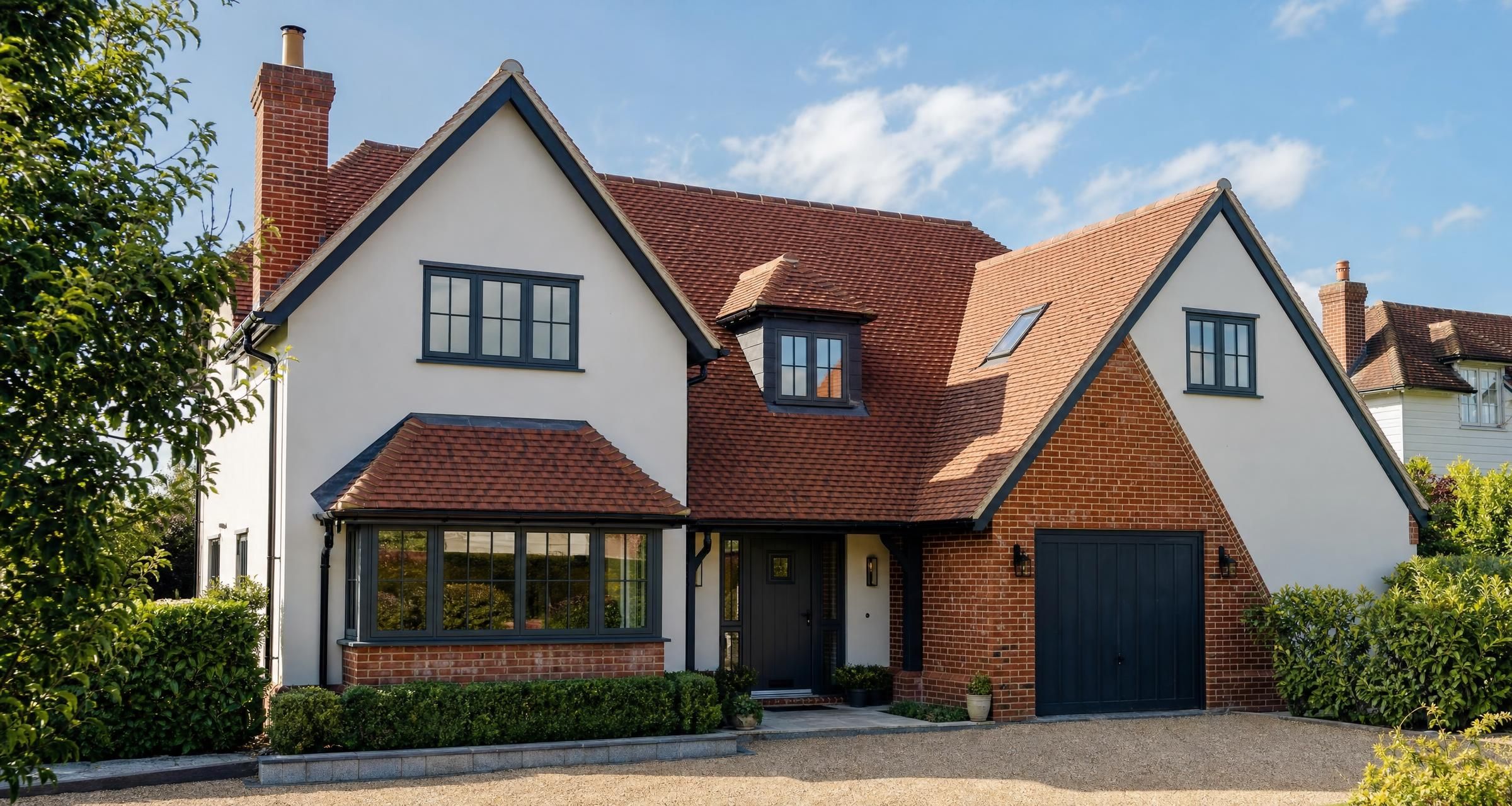
Roofers in Great Dunmow
Finding reliable roofers in Great Dunmow is about more than getting a quick price for a missing tile or a visible leak. Your roof protects the structure of the house, insulation, ceilings, electrics and belongings below it. A small defect left untreated can turn into damaged timbers, saturated insulation, mould growth and costly internal repairs.
Whether you need a minor repair, new guttering, chimney work, flat roof replacement or a full re roof, the best results come from a clear diagnosis, a detailed written quotation and a contractor with the right skills, insurance and access equipment. Roofing is specialist work carried out at height, and the cheapest estimate is rarely the best value if essential preparation, safety measures or guarantees have been omitted.
This guide explains what a competent roofer should do, what common roofing jobs cost, how to compare quotes properly and the regulations that can apply before work starts.
What Roofers in Great Dunmow Can Help With
A good roofing contractor should be able to assess the whole roof covering rather than treating every problem as an isolated issue. Water often enters at one point but travels along battens, felt, rafters or roof valleys before appearing on an internal ceiling.
Typical residential roofing work includes:
- Replacing slipped, cracked or missing tiles and slates
- Repairing lead flashings around chimneys, walls, roof windows and valleys
- Renewing mortar bedding and pointing to ridge tiles, hips and verges
- Replacing damaged roof battens, underlay and rotten timber sections
- Repairing or renewing flat roofs in felt, EPDM rubber, GRP fibreglass or liquid systems
- Replacing fascias, soffits, bargeboards and guttering
- Clearing and repairing gutters, downpipes and roof valleys
- Removing moss where it is causing blocked gutters, lifted tiles or retained moisture
- Repairing chimney stacks, pots, cowls, flaunching and leadwork
- Installing roof ventilation to reduce condensation in the loft
- Full roof replacements and structural roof alterations
- Emergency work after storm damage or fallen branches
Some contractors specialise in pitched roofs, others in flat roofing, heritage slate work or large re roof projects. Ask about their recent work that is directly comparable with yours. A roofer who regularly installs modern EPDM may not be the right choice for a complicated natural slate roof, while a slate specialist may not be the most economical option for a small garage flat roof.
Signs Your Roof Needs Professional Attention
Do not wait for water to drip through the ceiling before arranging an inspection. Roof defects are often easier and less expensive to repair while they are still localised.
External warning signs
- Tiles or slates that are cracked, slipped, loose or missing
- Debris from tiles, mortar or lead on the ground after windy weather
- Sagging along the ridge, roof plane or gutter line
- Cracked mortar to ridge tiles, hips or verges
- Lead flashing that has lifted, split or pulled away from brickwork
- Water overflowing from gutters in moderate rainfall
- Vegetation growing from gutters, valleys or chimney mortar joints
- Visible daylight around roof junctions from outside
- Flat roof areas that pond for long periods after rain
Signs inside the property
- Brown stains, peeling paint or bubbling plaster on ceilings and walls
- Damp insulation or wet rafters in the loft
- A musty smell in roof spaces or upper rooms
- White salt deposits on chimney breast plaster
- Condensation on loft timbers, especially in colder months
- Daylight visible through the roof covering or around chimney areas
Loft condensation can be mistaken for a leak. If moisture is widespread across the underside of the underlay and timbers, the cause may be inadequate ventilation or excessive warm moist air entering the loft from the house. A roofer should assess ventilation, insulation and the roof covering before proposing a repair.
For sensible seasonal checks and basic prevention, see Expert Tips on Maintaining Your Roof and Gutters.
What a Proper Roof Inspection Should Involve
A trustworthy roofer should not diagnose a substantial job solely from ground level. Binoculars can identify obvious tile damage, but they cannot reliably assess flashings, valleys, ridge fixings, underlay condition, roof deck condition or the state of a flat roof membrane.
For minor issues, a visual inspection from ground level, loft access and safe ladder access may be enough. For more extensive work, the contractor may need scaffolding, a roof ladder, access tower or a safe inspection platform. Drone surveys can help provide overview photographs, but they are not a substitute for close inspection where a defect needs confirming.
A useful assessment should cover:
- The roof covering and its general condition
- Ridges, hips, valleys and verges
- Chimney stacks, mortar, pots, flashings and trays
- Roof junctions around extensions, dormers and roof windows
- Gutters, downpipes and rainwater discharge
- Fascias, soffits and visible timber decay
- Loft timbers, insulation, ventilation and evidence of leaks
- Whether existing materials contain asbestos or need specialist handling
Ask for photographs before and after the repair. This is particularly useful where work is out of sight, such as valley repairs, chimney flashings or roof deck replacement. Photographs also give you a record of the condition and work completed.
Common Roofing Repairs and What They Usually Involve
Tile and slate repairs
Replacing a few tiles can be straightforward if suitable matching materials are available and the roof structure is sound. The roofer should lift surrounding tiles carefully, fit replacements with the appropriate clips or nails where required, and check that the underlay and battens beneath have not deteriorated.
A repeated pattern of slipped tiles may point to failed nails, rotten battens, incorrect tile fixing or wind damage rather than a one off problem. Simply pushing tiles back into place may not last.
Leadwork and flashings
Leadwork is one of the most frequent causes of roof leaks around chimneys and abutments. Proper lead flashing needs suitable laps, fixings, soakers or trays where appropriate, and correctly formed joints that allow for movement. Smearing sealant over failed leadwork can sometimes provide a short term measure, but it is rarely a durable repair.
Lead should be installed in manageable lengths with allowance for thermal movement. Large continuous sheets without proper detailing can split over time. Ask whether the quote includes replacing stepped flashing, soakers, back guttering or lead trays if the chimney area is being rebuilt.
Ridge and verge repairs
Traditional mortar bedded ridge tiles can crack and fail with age. A repair may involve lifting and rebedding individual tiles, repointing sound bedding or renewing the ridge section. Dry ridge systems use mechanical fixings and can reduce future mortar maintenance, but they must be correctly fitted to suit the roof construction.
Verge work is often exposed to wind driven rain. Loose mortar, cracked edge tiles or poor mechanical restraint should be addressed before water reaches the roof edge timbers.
Flat roof repairs and replacement
Flat roofs are never truly flat. They should have enough fall to drain effectively to outlets or gutters. Ponding water, blistering, splits, cracked felt, open laps and soft decking all need investigation.
A local repair may be sensible where the membrane is otherwise in good condition. If a flat roof has repeated leaks, widespread cracking or rotten deck boards, replacement is usually better value. The existing covering may need stripping back to the deck so the roofer can assess the structure, form correct falls and install a compatible new system.
For many homeowners, EPDM rubber is a durable option for simple flat roof shapes. GRP fibreglass can suit roofs with complex edges and details, while high performance felt remains a practical choice for many smaller roofs. Material choice should be based on roof shape, drainage, detailing, expected foot traffic and budget, not a one size fits all sales pitch.
Gutters, fascias and soffits
Overflowing gutters may result from a simple blockage, but they can also indicate poor falls, undersized outlets, leaking joints or rotten fascia boards that no longer support the gutter brackets properly. If replacement is proposed, check whether the quote includes removal of existing boards, repairs to timber ends, new eaves ventilation, gutter guards and disposal.
Typical Roofing Costs for UK Homeowners in 2026
Prices vary with roof height, access, pitch, material, complexity, condition of the underlying structure and whether scaffolding is needed. Great Dunmow homeowners should use the figures below as broad budgeting guidance rather than a fixed price list. Obtain site specific written quotations before committing.
| Type of work | Typical price range including labour | Typical timeframe |
|---|---|---|
| Replace a small number of tiles or slates | £180 to £500 | Half day to one day |
| Repair a localised lead flashing defect | £350 to £1,200 | One to two days |
| Rebed or renew a section of ridge tiles | £500 to £1,800 | One to three days |
| Chimney repointing and flashing repairs | £900 to £3,000 | Two to five days |
| New guttering to a typical house | £700 to £1,800 | One to two days |
| Small garage flat roof replacement | £1,500 to £4,000 | Two to four days |
| Flat roof replacement on an extension | £3,000 to £8,000 | Three to seven days |
| Scaffolding for a typical house roof | £900 to £2,500 or more | Usually hired for the project duration |
| Full re roof of a typical three bedroom house | £10,000 to £25,000 or more | One to three weeks |
VAT may or may not be included in an estimate, so check this carefully. A contractor who is VAT registered should make this clear. Scaffolding, skip hire, waste removal, replacement timbers, insulation upgrades and chimney work can make a substantial difference to the final cost.
For a closer look at the variables behind a full replacement project, read How Much Does It Cost to Replace a Roof in the UK in 2026? Materials, Labour and Scaffolding Explained.
Why roofing quotes can differ sharply
Two prices can look similar at first glance while covering very different work. One contractor may have allowed for stripping the roof, new breathable membrane, treated battens, mechanical fixing, leadwork, scaffold and waste. Another may only have allowed for laying tiles over a limited prepared area.
For repair work, the biggest uncertainty is hidden damage. Once tiles are lifted, a roofer may find rotten battens, damaged felt, decayed rafter ends or poor previous repairs. A good quote should state how unforeseen work will be identified, priced and approved before it proceeds.
How to Choose a Suitable Roofer
Roof work is safety critical and weather dependent. Select a contractor based on evidence, clarity and competence rather than promises of an immediate cheap fix.
Checks to make before appointing anyone
- Ask for the full business name, address and a landline or established contact method
- Check public liability insurance and ask for confirmation of cover
- Ask whether they use employees or subcontractors and who is responsible for the work
- Request photographs or references for comparable recent roofing jobs
- Confirm who will arrange scaffolding and manage safe access
- Ask what workmanship and product guarantees are offered
- Check whether the contractor is a member of a recognised trade scheme where relevant
- Ensure the written quote explains materials, specification, exclusions and payment stages
Membership of a trade body is not a substitute for your own checks, but it can provide useful reassurance where it includes vetting, technical standards and a dispute process. TrustMark is a government endorsed quality scheme that can help homeowners identify registered firms. You can search its standards and requirements through TrustMark.
Be cautious if a trader says work must start immediately because they noticed a problem while passing. Genuine storm damage can require urgent action, but you should still receive a clear explanation, photographs where possible and a written price before non emergency work is carried out.
What to Include in Your Roofing Quote Request
A vague request such as “roof leaking” will often produce vague estimates. Give each contractor the same information so you can compare like for like.
- Your property type and approximate age if known
- Whether the issue affects a pitched roof, flat roof, chimney, guttering or all of these
- When the problem occurs, such as after heavy rain, wind or snow
- The location of visible damp internally
- Clear photographs from ground level and the loft if it is safe to take them
- Whether access is restricted by extensions, conservatories, narrow side access or neighbouring property
- Any previous repairs or known roof history
- Whether you want repair options as well as a replacement price
Ask the roofer to separate essential work from optional improvements. For example, repairing a chimney flashing may be essential, while changing all gutters at the same time may be a sensible but optional addition.
Questions to ask about the written quotation
- What is the likely source of the water ingress or defect?
- Which materials will be used, including brand or specification where relevant?
- Will existing coverings be removed, and how will waste be disposed of?
- Does the price include scaffolding, access equipment, skip hire and VAT?
- Are any timber repairs, insulation works or ventilation upgrades included?
- How will the roof be protected if rain arrives during the work?
- What guarantee applies to workmanship and materials?
- What payment schedule is proposed?
A reasonable deposit for booked materials can be normal, particularly on larger jobs. Avoid paying the full cost upfront. For a substantial re roof, staged payments linked to visible progress are usually safer, such as an agreed materials deposit, payment after strip and preparation, then final payment after completion and inspection.
Planning Permission and Building Regulations for Roofing Work
Many like for like roof repairs do not need planning permission. Replacing a few tiles, renewing flashing or repairing gutters is usually straightforward. However, planning controls can apply if the work materially changes the appearance of the roof, alters its shape, raises its height, changes the roof material in a sensitive area or affects a listed building.
For guidance on common roof related planning situations, check the Planning Portal roof planning permission guidance. If your property is listed, in a conservation area or subject to other restrictions, speak to the local planning authority before work starts.
Building regulations can apply to roof replacement and structural work. A replacement covering on more than 25 per cent of the roof area can trigger requirements relating to thermal performance. If the existing roof is being stripped back, there may be an opportunity or obligation to improve insulation where technically and economically feasible.
Structural changes, such as altering rafters, installing new rooflights, changing a flat roof to a pitched roof, replacing a roof with significantly heavier materials or modifying a chimney stack, may need building control approval. The official overview of the process is available at Building regulations approval.
Do not assume a contractor will handle approvals unless this is written into the contract. Ask who is responsible for drawings, structural calculations, building control fees, notices and completion certification.
Safety, access and asbestos
Roofing is high risk work. Contractors have legal duties to plan work at height and use suitable access measures. Ladders may be appropriate for short duration, low risk tasks, but they are not automatically suitable for major repair or replacement work. Scaffolding, edge protection, roof ladders and fall prevention systems may be needed.
The Health and Safety Executive provides practical guidance on working at height. If a price appears unusually low because it omits safe access, that is not a saving worth taking.
Older garage roofs, outbuildings, soffits, cement sheets and some flue components can contain asbestos. Material should not be drilled, broken or removed casually. If asbestos is suspected, obtain appropriate advice and testing before disturbance.
Roof Materials and Matching Existing Coverings
Material choice affects cost, appearance, weight, maintenance and the detailing required around every roof junction. Matching existing tiles is not always easy because colours weather over time and manufacturers change profiles. A close match may be acceptable for a rear slope, but a prominent front elevation may require more careful sourcing.
| Material | Strengths | Points to consider |
|---|---|---|
| Concrete tiles | Widely available, robust and generally cost effective | Heavy, colour can weather, profile matching matters |
| Clay tiles | Traditional appearance and good colour retention | Higher material cost and can be more fragile during access |
| Natural slate | Long life and distinctive appearance | Requires skilled fixing and can have higher labour costs |
| Composite slate | Lighter weight and consistent appearance | Quality varies and detailing must follow the manufacturer system |
| EPDM rubber | Durable option for many flat roofs with few seams | Requires a sound deck and careful edge detailing |
| GRP fibreglass | Can form a tough seamless flat roof surface | Weather conditions during installation can affect quality |
If you are weighing up covering options for a replacement roof, Roof Tile Types Explained Clay Concrete Slate and Composite Options for Homeowners explains the practical differences between common materials.
Common Roofing Mistakes That Cost Homeowners Money
Using sealant as a permanent repair
Roofing sealant has useful applications, but it is often used as a shortcut over failed flashing, cracked valleys or damaged membranes. It can trap water, hide defects and make later repairs more difficult. A proper repair should address the failed component, not simply cover it.
Ignoring gutters and roof drainage
Water overflowing at the eaves can soak fascia boards, walls and foundations. Gutters need correct falls, securely fixed brackets and clear outlets. During a roof repair, ask the contractor to check the rainwater system rather than focusing only on the tiles.
Pressure washing a roof
High pressure cleaning can damage tile surfaces, dislodge mortar, force water beneath tiles and shorten the life of older roof coverings. Moss growth is frustrating, but aggressive cleaning can create greater problems than it solves. Read Roof Moss Removal Explained Risks Safe Methods and When to Call a Professional before agreeing to any cleaning method.
Accepting an estimate without a scope of work
A one line price is difficult to enforce. If the work later changes, you have little evidence of what was originally included. Insist on a written scope covering materials, access, waste, preparation, repair allowances, payment stages and guarantee terms.
Failing to check the loft
External photographs are useful, but the loft often tells the real story. Staining, wet insulation, mould, daylight and timber condition can distinguish a roof leak from condensation. A contractor who never looks inside should explain why that is not necessary.
Practical Homeowner Checklist Before Roofing Starts
- Get at least two detailed written quotations for anything beyond a very small repair.
- Confirm the contractor has suitable public liability insurance.
- Agree the exact scope, materials and any exclusions in writing.
- Check whether planning permission or building regulations approval may apply.
- Confirm scaffold location, access arrangements and protection for driveways, paths and planting.
- Move vehicles away from the working area and protect items in the loft where practical.
- Agree how unexpected defects will be reported and approved.
- Keep copies of the quote, invoices, photographs, guarantee and any building control documents.
- Inspect the work from ground level and review photographs before making final payment.
- Check gutters are clear and that debris has been removed from the site.
FAQ About Roofers in Great Dunmow
How much do roofers in Great Dunmow charge for a roof repair?
For a straightforward repair such as replacing a few accessible tiles, homeowners may pay around £180 to £500. More involved work involving lead flashings, chimney access, valleys, damaged battens or scaffolding can range from £800 to several thousand pounds. The main cost drivers are safe access, height, roof pitch, material matching and hidden damage beneath the covering.
Ask for a written explanation of the fault and the proposed remedy. A price is easier to assess if you know whether it includes scaffold, materials, waste removal, VAT and a return visit if further defects are discovered.
Do I need scaffolding for a roof repair?
Not every repair requires scaffolding. A small, short duration task may be safely completed using suitable ladder access and roof ladders. Larger repairs, chimney work, gutter replacement, flat roof renewal and full re roof projects usually require scaffolding or another robust access method.
The decision should be based on risk, duration, roof height and the work required. Be wary of a contractor offering to save money by working without appropriate access equipment. Safe access protects workers, your property and people below the work area.
Can a roofer repair a leak in wet weather?
A roofer may be able to carry out emergency protection in wet weather, such as securing loose materials or covering an exposed area temporarily. Permanent work involving tiles, underlay, flat roof membranes, mortar or adhesives may need dry conditions and safe winds. Trying to complete certain repairs in unsuitable weather can compromise the result.
For an active leak, reduce internal damage by moving valuables, placing containers beneath drips and avoiding contact with electrical fittings. If water is near lights or electrical wiring, switch off the affected circuit if it is safe to do so and seek urgent professional help.
How long should a new roof last?
Life expectancy depends on the material, installation quality, roof design, exposure and maintenance. A well installed slate roof can last for many decades, while concrete and clay tile roofs can also offer a long service life if flashings, underlay, battens and fixings are maintained. Flat roof systems vary, but quality EPDM, GRP and high performance felt installations can provide many years of service when properly detailed and maintained.
The roof covering is only one part of the system. Failed leadwork, blocked gutters, poor ventilation or rotten battens can cause trouble before the main tiles or slates reach the end of their useful life.
Final Thoughts
Roofing work should begin with a sound diagnosis, not a rushed promise or a vague estimate. Take time to understand the cause of the problem, compare detailed scopes of work and make sure safe access, materials, waste disposal and guarantees are all covered. A well planned repair can protect your home for years, while a poor repair often creates a cycle of repeat callouts.
If you need help finding the right professional, post a job on BookaBuilderUK to receive free quotes from vetted local tradespeople.


