
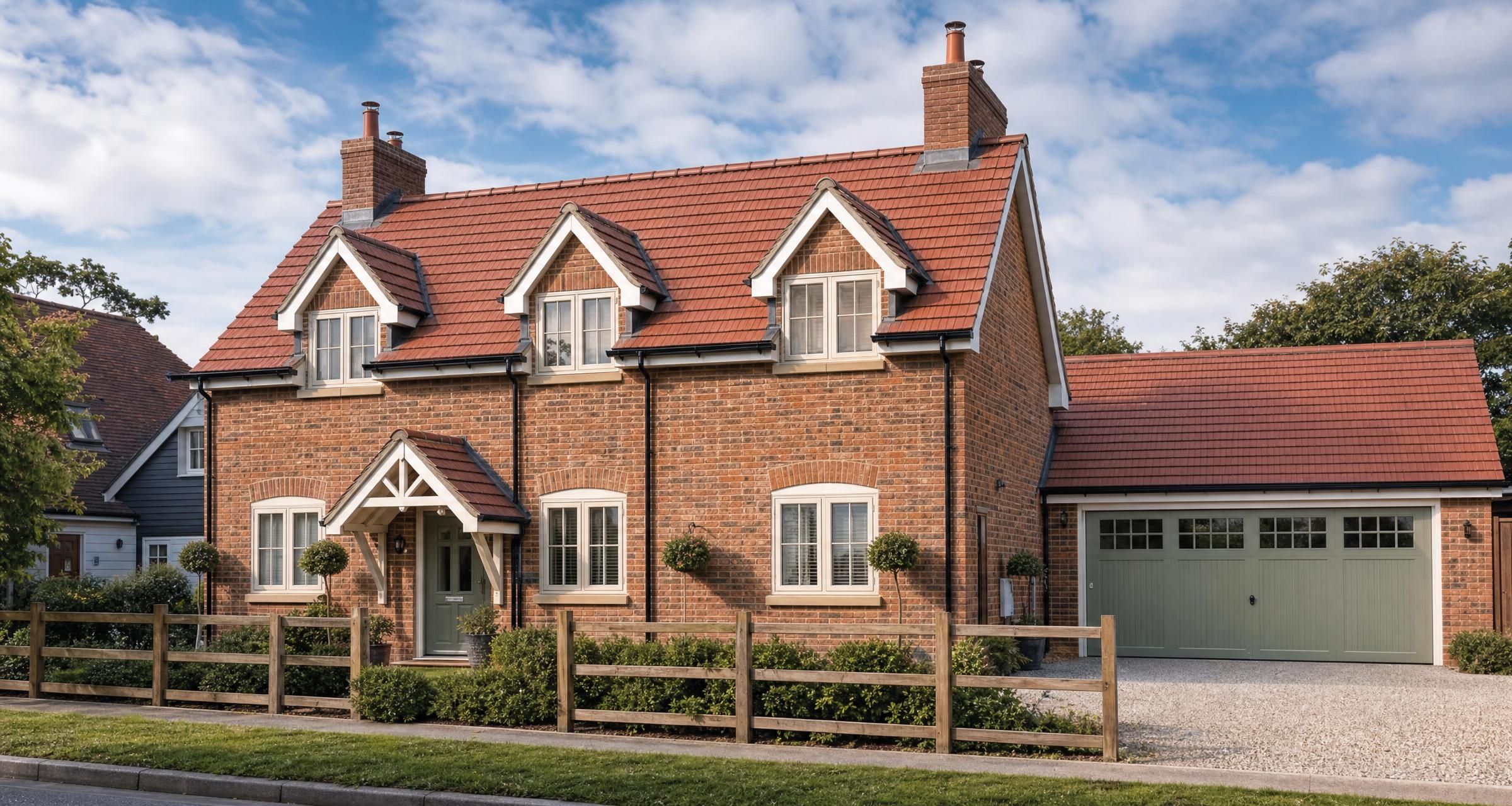
Roofers in Harwich
Finding reliable Roofers in Harwich is about more than getting a quick price for a slipped tile or visible leak. Your roof protects the structure of the house, the insulation beneath it and the rooms you live in every day. A small defect can allow water into the roof space for months before staining appears on a ceiling, by which point timbers, insulation and plasterboard may all need attention.
Whether you need a minor repair, chimney work, a flat roof renewal or a full replacement, the right approach starts with an accurate inspection and a properly defined scope of work. This guide explains what a competent roofer should assess, what common jobs cost, which regulations may apply and how to compare quotations without choosing solely on the lowest figure.
What Roofers in Harwich can help with
Roofing is a broad trade. Some contractors specialise in pitched roofs, while others focus on flat roof systems, leadwork, chimney repairs or commercial work. For a domestic property, a capable roofer may carry out the following work.
- Replacing slipped, cracked or missing roof tiles and slates
- Repairing ridge tiles, hip tiles, verge mortar and dry fix systems
- Renewing felt, battens, counter battens and roof coverings
- Repairing or replacing lead flashing around chimneys, walls, valleys and roof windows
- Investigating leaks, damp roof timbers and water ingress around penetrations
- Replacing flat roofs using felt, EPDM rubber or fibreglass systems
- Installing or renewing fascias, soffits, bargeboards and guttering
- Repairing chimneys, repointing brickwork and renewing flaunching around chimney pots
- Improving loft insulation and ventilation during larger roof works
- Replacing an entire pitched or flat roof covering
A roofer should be clear about their own competence. For example, fitting a roof window, altering roof structure or creating a dormer can involve carpentry, structural design and Building Regulations approval. Electrical work connected to roof mounted equipment may need a suitably qualified electrician. If solar panels have to be removed and reinstated, agree in writing who is responsible for that work, the condition of the panels and the manufacturer warranty requirements.
Signs that your roof needs professional attention
Do not wait until rainwater is running down an internal wall. Roofing defects are usually less expensive to remedy when caught early. Check from ground level after periods of high wind or persistent rain, but do not climb onto a roof yourself.
External warning signs
- Tiles or slates that have slipped, cracked or lifted
- Broken ridge or hip tiles
- Loose mortar at verges, ridges or chimney stacks
- Gutters overflowing despite being recently cleared
- Vegetation growing from gutter joints, valleys or chimney mortar
- Leadwork that is split, lifted or visibly patch repaired several times
- Sagging roof lines or uneven areas of tile covering
- Debris on the ground after strong winds
Internal warning signs
- Brown staining on ceilings or upper walls
- Peeling paint around chimney breasts or loft hatches
- Damp insulation or a musty smell in the loft
- Daylight visible through roof coverings or around flashings
- Wet rafters, purlins or ceiling joists during rain
- Mould caused by condensation and inadequate roof space ventilation
Not every loft moisture issue is a roof leak. Condensation can form where warm, moist household air enters a cold roof space. A good roofer will distinguish between rainwater ingress and condensation before recommending work. If the issue is ventilation, replacing tiles alone will not solve it.
Routine checks reduce the risk of major repairs. For practical seasonal advice, see Expert Tips on Maintaining Your Roof and Gutters.
What happens during a roof inspection?
A proper inspection should begin at ground level, followed by a close inspection where it is safe to do so. For minor issues, a roofer may use a ladder with appropriate stabilisation. Larger jobs usually require scaffolding or another planned access method.
The roofer should inspect the roof covering, ridge and verge details, valleys, flashings, chimney stack, gutter line and the condition of fascias and soffits. If access to the loft is available, they should also look at the underside of the roof, checking for wet timber, staining, old repairs, daylight, sagging battens and the condition of insulation.
For a suspected leak, ask the roofer to explain the likely water path. Water often enters in one location and appears internally some distance away. A stain near a chimney breast could be caused by failed lead flashing, damaged chimney pointing, defective flaunching, a cracked tile above the chimney or condensation within the roof space.
A useful report should identify:
- The defect and its likely cause
- The area affected
- Whether the repair is temporary or intended as a lasting remedy
- Whether surrounding materials are near the end of their service life
- The access required
- Any risk of concealed damage once coverings are lifted
Photographs are valuable, especially where work is difficult to see from ground level. They also help you compare quotations and retain a record of the roof condition before work begins.
Roof repair or roof replacement?
Many homeowners understandably prefer a repair, but it must be a sensible repair. Replacing a few tiles and renewing a small section of flashing can be excellent value where the roof covering is generally sound. Repeated repairs over several years can become poor value if battens, underlay, flashings and large areas of tile covering are all deteriorating.
A roofer may recommend replacement where there are widespread cracked tiles, brittle or torn underlay, rotten battens, recurring leaks from several areas, failed valleys, poor previous workmanship or a roof covering at the end of its practical life.
Ask whether the quote is for a repair to the symptom or treatment of the underlying cause. A patch on a flat roof may buy time, but it may not be suitable where water is trapped beneath the membrane or the deck is rotten.
For a detailed overview of replacement costs, materials and access, read How Much Does It Cost to Replace a Roof in the UK in 2026? Materials, Labour and Scaffolding Explained.
Typical roofing costs in 2026
Roofing prices vary sharply with access, roof height, pitch, material, hidden damage and whether scaffolding is needed. The figures below are broad UK guide prices for domestic work. Harwich homeowners should use them to sense check quotations, not as a substitute for a site survey.
| Type of work | Typical price range | Likely timeframe |
|---|---|---|
| Replace a few broken tiles or slates | £180 to £450 | Half a day to one day |
| Localised leak repair with minor flashing work | £300 to £900 | One day |
| Renew chimney lead flashing | £700 to £1,800 | One to three days |
| Repoint chimney stack | £600 to £1,800 | One to three days |
| Replace ridge tiles using a dry fix system | £900 to £2,500 | One to three days |
| Gutter, fascia and soffit replacement on a typical house | £1,500 to £4,500 | Two to five days |
| Small flat roof replacement | £1,500 to £4,500 | One to three days |
| Full pitched roof replacement on a typical house | £8,000 to £22,000 or more | One to three weeks |
Scaffolding is often a major part of the bill. A straightforward scaffold to a single elevation may cost from around £800, while access around the full property, a chimney stack, public pavement licences, roof edge protection or difficult ground conditions can take the cost much higher.
Do not be surprised if a roofer cannot confirm a final repair price until tiles or slates have been lifted. They should still explain the likely allowance for hidden defects and seek your approval before carrying out additional work beyond the agreed scope.
What affects the price?
- Roof size, pitch, height and ease of access
- Whether materials need to be carried through the property or lifted externally
- Tile, slate or flat roof system selected
- Condition of battens, underlay, deck and roof timbers
- Number and condition of chimneys, valleys, roof windows and abutments
- Need for scaffolding, skips and waste disposal
- Listed building status or conservation area constraints
- Whether insulation upgrades are required
Material choice also matters. Natural slate has a long service life but requires skilled fitting and can cost more than concrete tiles. Clay tiles offer a traditional appearance and good durability. Composite products may suit some homes but should be selected carefully for appearance, weight and compatibility with the existing roof. For a practical comparison, see Roof Tile Types Explained Clay Concrete Slate and Composite Options for Homeowners.
Flat roof options and what to ask about them
Flat roofs are commonly found on extensions, garages, porches, bay windows and dormers. Despite the name, a flat roof needs a fall so rainwater drains effectively. Standing water that remains for long periods can shorten the life of some systems and expose weak points around outlets or upstands.
Felt roofing
Modern torch applied felt systems are far more durable than older single layer coverings. A quality system usually uses several layers, including a cap sheet designed to withstand ultraviolet light. Felt can be cost effective, but installation quality is crucial, especially at edges, corners and joints.
EPDM rubber
EPDM is a rubber membrane, often installed in large sheets with fewer joints. It is widely used for domestic flat roofs and can provide a durable finish when installed over a sound deck with suitable adhesives and trims. Detailing around rooflights, pipes and walls remains critical.
Fibreglass roofing
Fibreglass, also known as GRP, creates a seamless hard finish. It can be a good choice for complex shapes, but weather conditions during installation matter and the deck preparation must be correct. Poorly installed fibreglass can crack, blister or fail around edges.
Flat roof replacement may also be the right time to improve insulation. If a significant area of the roof is renovated, thermal upgrades may be required under Building Regulations. Your roofer or builder should explain whether the proposed build up meets the relevant standard and whether Building Control involvement is needed. For a fuller cost comparison, see How Much Does It Cost to Replace a Flat Roof in the UK in 2026? Felt vs EPDM vs Fibreglass Prices, Insulation Upgrades and Scaffolding Costs.
Planning permission and Building Regulations for roofing work
Many like for like roof repairs do not need planning permission. Replacing damaged tiles, renewing flashings and repairing gutters are usually straightforward maintenance works. However, planning rules can apply if you are materially altering the roof shape, raising the ridge, adding a dormer, changing the roof covering in a sensitive location or working on a listed property.
Before changing the shape or appearance of the roof, check the guidance on the Planning Portal roof project pages. If your home is listed or lies within a conservation area, seek advice from the relevant local planning authority before work starts. Consent may be needed even for changes that appear modest.
Building Regulations commonly apply to structural roof alterations, new roof windows, loft conversions and major refurbishment work. Replacing a roof covering can also trigger thermal performance requirements if more than a specified proportion of the thermal element is renovated. The official Building Regulations approval guidance explains when approval and inspection may be required.
Where structural changes are proposed, such as removing trusses, strengthening rafters or supporting a new roof covering, obtain appropriate design advice. A heavier tile should never be installed merely because it is preferred visually. The roof structure must be capable of carrying its weight, including snow and wind loads.
How to choose a roofer with confidence
Roofing work is often urgent, which can make homeowners vulnerable to pressure selling. A professional roofer will inspect the issue, explain the findings and provide a written quotation. Be cautious if someone arrives uninvited, claims to have noticed urgent damage from the street or insists that work must begin immediately for a special price.
Checks worth making before you appoint anyone
- Ask for a written quotation with a clear description of the work
- Check that the business has public liability insurance appropriate to the work
- Ask for examples of similar recent jobs, particularly for major replacement work
- Check whether scaffolding, waste removal and material delivery are included
- Ask who will carry out the work and whether subcontractors will be used
- Confirm the warranty terms and whether they cover materials, workmanship or both
- Ask how hidden defects and additional costs will be handled
- Check whether Building Control notification or certification is included where required
Trade memberships can be helpful, but they are not a substitute for a clear scope, proof of insurance and good workmanship. Some roofers may be members of recognised schemes or manufacturers' approved installer networks. Ask what the membership means in practical terms, whether it can be verified and whether it provides access to a product warranty.
For work at height, safe access is non negotiable. The Health and Safety Executive provides guidance on roof work and working at height. A contractor who dismisses the need for safe access, edge protection or scaffolding may appear cheaper because necessary safety costs have been omitted.
What to include when requesting roofing quotations
The more accurate the information you provide, the more useful the quotation will be. Share photographs from ground level, explain when the problem occurs and mention any previous repairs. If water enters only during wind driven rain, say so. If the roof has been patched several times, include that history.
Ask each roofer to quote against the same brief wherever possible. This makes it easier to compare the work rather than comparing incomplete figures.
Practical quotation checklist
- Exact roof area or section to be repaired or replaced
- Proposed materials, manufacturer and colour where relevant
- Whether existing coverings will be stripped back or overlaid
- Allowance for battens, underlay, decking or timber repairs
- Leadwork specification and thickness where lead is being renewed
- Scaffolding, edge protection and access arrangements
- Skip hire, waste removal and site clearance
- Protection for driveways, gardens, windows and neighbouring property
- Estimated start date and expected duration
- Payment schedule, deposit amount and final payment point
- Warranty details and any manufacturer registration process
- VAT status and whether VAT is included
For larger work, request a staged payment schedule rather than paying the full amount before work begins. Deposits should be proportionate to genuine material and booking costs. Keep payments traceable and retain copies of quotations, invoices, photographs and any certificates.
How to compare roofing quotes fairly
The lowest quotation is not automatically the best value. One roofer may have included scaffold, new breathable membrane, treated battens, leadwork and waste disposal, while another may only have allowed for replacement tiles. Both figures may look plausible until the scope is examined line by line.
| Question to ask | Why it matters |
|---|---|
| Are scaffolding and waste included? | These can add a substantial amount to the final cost. |
| Will old tiles be reused or replaced? | Matching materials and replacement quantities affect appearance and price. |
| Are battens and membrane included? | These are key parts of a full roof replacement, not optional extras. |
| What happens if rotten timber is found? | You need an agreed process for variations and approval of extra costs. |
| Is the guarantee in writing? | Verbal assurances are difficult to rely on later. |
| Does the price include VAT? | VAT can materially change the amount payable. |
Be especially wary of vague phrases such as “repair roof as necessary”. A minor emergency repair may need flexibility, but the contractor should still identify their day rate, material costs, access costs and what authorisation they need before spending beyond an agreed limit.
Common roofing mistakes homeowners should avoid
Using sealant as the main repair
Sealant has a place for minor detailing, but it is rarely a durable substitute for correctly formed leadwork, a proper tile repair or a renewed flat roof joint. Large amounts of mastic around a chimney or valley often indicate an earlier repair has not addressed the real issue.
Ignoring gutters and rainwater goods
Blocked gutters can force water behind fascias, into eaves and down external walls. Damaged brackets can create poor falls that leave water standing in the gutter. Gutter defects may be simple to fix, but they should not be ignored because they can contribute to timber decay.
Choosing unsuitable replacement materials
A replacement roof should suit the building, existing roof geometry and structural capacity. Poor tile matching can look obvious. Incorrect tiles may not interlock properly, leading to wind uplift and water ingress. Ask for a sample or clear product details before a full replacement begins.
Failing to consider ventilation and insulation
Adding insulation without maintaining the correct ventilation path can increase condensation risk. Equally, a roof renewal can be a missed opportunity to improve heat retention. The right detail depends on whether the loft is cold, habitable or part of a roof conversion.
Accepting unsafe working practices
Never agree to work that puts tradespeople, neighbours or the public at risk. Proper access costs money, but falls from height are one of the most serious risks in construction. Safe scaffolding and edge protection protect everyone involved and usually allow better quality work.
Preparing your home for roof work
Roofing is disruptive, particularly a full strip and recover. There will be noise, material deliveries, dust and movement around the outside of the house. Good preparation makes the job easier for both you and the contractor.
- Clear vehicles from the driveway if scaffold or deliveries require access
- Move fragile garden items away from the working area
- Cover loft belongings or move them away from the roof edges
- Tell the roofer about alarm cables, satellite dishes, solar panels and roof lights
- Keep pets indoors while tiles are being stripped or materials are lifted
- Speak with neighbours where scaffolding, access or noise may affect them
- Ensure the contractor has an emergency contact number
If rain is forecast during a strip and recover, a competent roofing team will plan temporary weather protection. Weather can still affect the programme, particularly where large areas must remain watertight. Ask how the contractor intends to protect exposed sections at the end of each day.
FAQs about Roofers in Harwich
How much does a roofer charge for a roof repair in Harwich?
Small repairs commonly start from around £180 to £450 where access is straightforward and only a few tiles or slates need replacement. A leak involving chimney flashing, a valley or scaffold access can cost from £700 to £1,800 or more. The key cost drivers are access, height, the source of the defect and whether surrounding materials have been damaged. Obtain a written scope rather than accepting a price based only on a photograph.
Do Roofers in Harwich need scaffolding for every job?
No. A minor repair may be safely completed from a properly secured ladder or suitable access equipment. Scaffolding is commonly required for full roof replacement, chimney work, extensive repairs, high level work or any task where sustained safe access is needed. It should be viewed as part of safe project planning, not an unnecessary add on. A roofer should explain why the proposed access method is suitable for the work.
Can a roofer repair a leak during rain?
Emergency action may be possible during rain, such as fitting a temporary cover, securing loose materials or diverting water away from a vulnerable area. Permanent repairs are often better completed in dry conditions because roof surfaces, adhesives, membranes and timber need to be suitably dry. The roofer should be honest about whether a temporary repair is all that can safely be achieved on the day.
Do I need planning permission to replace roof tiles?
Like for like replacement of roof tiles usually does not require planning permission. Permission or further advice may be needed if you are changing the roof shape, significantly changing the external appearance, living in a protected area or working on a listed building. Major work can also involve Building Regulations requirements, especially where insulation or structure is affected. Check before starting rather than relying on assumptions.
How long should a new roof last?
Service life depends on material quality, installation standards, maintenance and exposure to weather. Natural slate can last for many decades, while clay and concrete tile roofs can also offer long service where the underlay, battens, flashings and fixings are maintained. Flat roof lifespan varies by system and workmanship. A warranty is useful, but regular inspection, clear gutters and prompt repairs remain the best protection for the roof as a whole.
Final Thoughts
A sound roof depends on accurate diagnosis, safe access, suitable materials and careful detailing around the areas where water is most likely to enter. Take time to compare written scopes, not just totals, and make sure the contractor explains whether the proposed work is a short term repair or a long term solution.
If you need repair work, a flat roof renewal or a full replacement, you can post a job on BookaBuilderUK to receive free quotes from vetted local tradespeople.


