
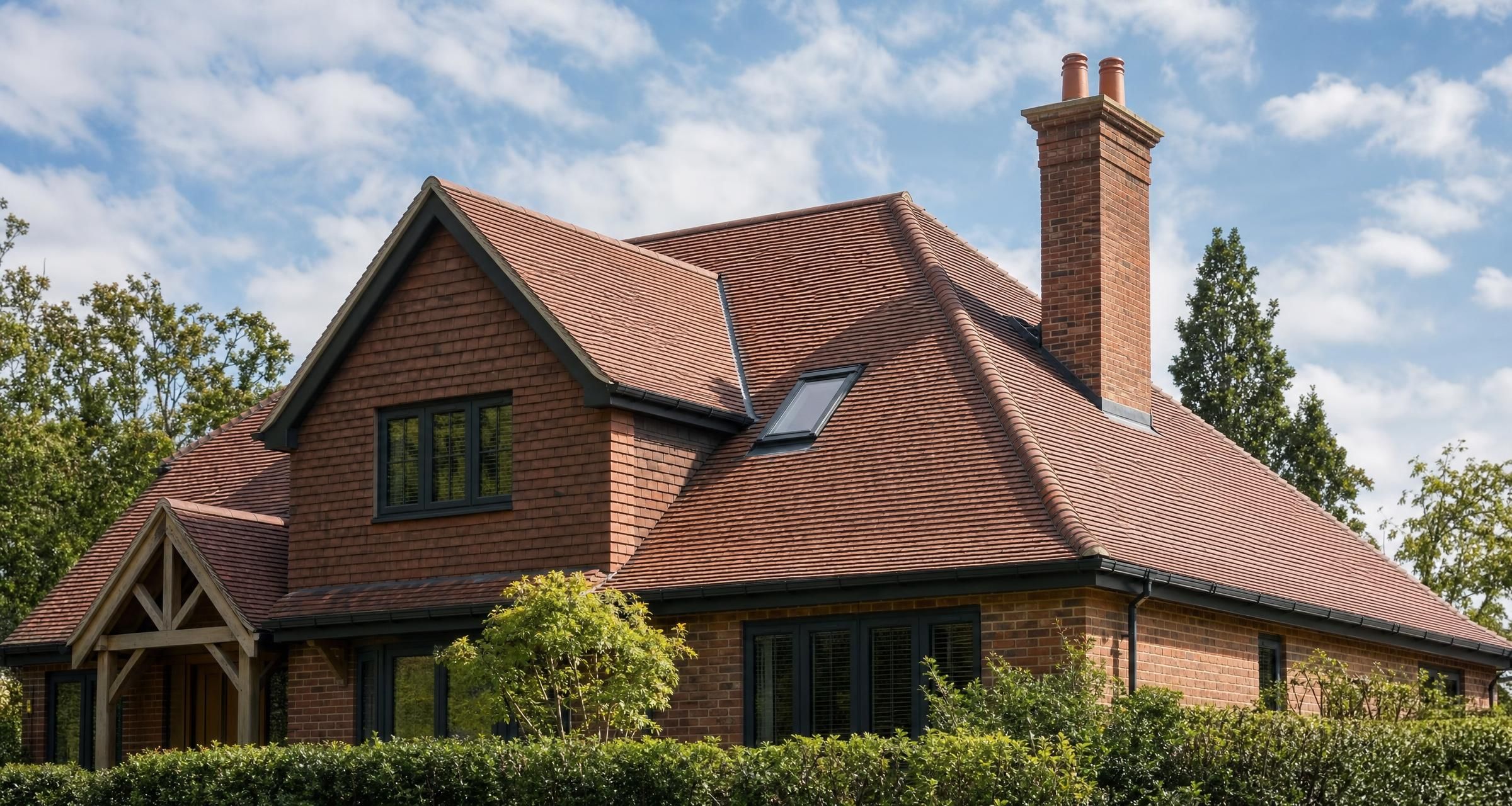
Roofers in Loughton
Finding reliable roofers in Loughton is not simply a matter of getting the lowest price for a loose tile or a leaking roof. Roofing work protects the entire structure of your home, from the timbers and insulation beneath the covering to the walls, ceilings and electrical fittings inside. A small defect can become expensive if water is allowed to travel through the roof build up unnoticed.
Whether you need an emergency repair, replacement tiles, new flashing, gutter work or a complete re roof, the best results come from clear diagnosis, a detailed written quotation and a contractor with the right experience for your roof type. This guide explains what a roofer should check, what work is likely to involve, realistic UK costs and the practical steps to take before work starts.
What roofers in Loughton can help with
A competent roofer should be able to assess both the visible roof covering and the components underneath it. Many reported roof leaks are not caused by a broken tile at all. The problem may be failed leadwork, blocked gutters, damaged underlay, cracked mortar, poor ventilation or a defect around a roof penetration.
Common roofing jobs include:
- Replacing slipped, cracked or missing roof tiles and slates
- Repairing storm damage
- Renewing ridge tiles, hip tiles and verge mortar
- Repairing or replacing lead flashings around chimneys, valleys, dormers and abutments
- Clearing, repairing or renewing gutters, downpipes and roof valleys
- Replacing flat roof coverings, including felt, EPDM rubber, GRP fibreglass and liquid systems
- Repairing chimney stacks, flaunching, pointing and lead soakers
- Installing or replacing roof windows, vents and tile vents
- Replacing rotten fascia boards, soffits and bargeboards
- Carrying out a partial or full re roof
- Improving loft insulation and roof ventilation as part of wider roof work
The scope of work matters. Replacing a handful of tiles is a repair. Stripping the whole roof back to rafters, installing new membrane and battens, then fitting a new covering is a re roof. These are very different jobs in cost, timescale, regulation and risk.
Start with a proper roof inspection
A roofer should not diagnose a roof from ground level alone, particularly if you have an active leak. A proper assessment normally includes a visual inspection from outside, close examination at eaves and roof edges, and an inspection from inside the loft where safe access is available.
Inside the loft, the roofer may look for damp staining, wet insulation, mould, daylight visible through the roof, decayed timbers, damaged felt or membrane, and evidence of condensation. They should also consider whether existing ventilation is adequate. Condensation can mimic a roof leak, especially during colder months, and replacing tiles will not solve it if moisture is forming within the loft.
Signs you may need a roofer
- Water marks on ceilings or walls, particularly after wind driven rain
- Loose, cracked or missing tiles or slates
- Ridge tiles or mortar that appear cracked or unstable
- Debris from tiles, mortar or flashing on the ground
- Water overflowing from gutters during rainfall
- Visible sagging in a roof slope, ridge line or fascia board
- Moss build up that is lifting tiles or blocking gutters and valleys
- Damp insulation, mould or a musty smell in the loft
- Lead flashing that has split, lifted or become detached from brickwork
- Recurring leaks after previous patch repairs
If a ceiling is bulging due to trapped water, treat it as urgent. Keep people away from the area, protect electrical equipment, and seek professional help. Do not pierce a bulging ceiling unless you understand the risks from electrical wiring, contaminated water and sudden collapse of saturated plasterboard.
Roof repairs versus a full re roof
Homeowners are sometimes advised to replace an entire roof when a targeted repair would be sufficient. The opposite also happens: repeated small repairs are carried out on a roof that has reached the end of its practical life. The decision should be based on evidence, not a sales pitch.
A repair may be sensible where the roof is generally sound and the issue is isolated. Typical examples include a few slipped tiles after high winds, a cracked flashing, a blocked valley, failed mortar around a chimney or local damage from a fallen branch.
A re roof may be more appropriate where there are widespread failures, brittle or porous tiles, decayed battens, failing membrane, widespread nail corrosion, multiple leaks or significant roof movement. If the covering is near the end of its expected serviceable life and scaffolding is required for repeated repairs, a planned replacement can offer better value than continual call outs.
| Type of work | Usually suitable where | Typical UK cost range | Likely timeframe |
|---|---|---|---|
| Minor tile or slate repair | A small number of damaged or slipped units | £180 to £500 | A few hours to one day |
| Lead flashing repair | Localised split, lifting or failed flashing | £350 to £1,200 | One to two days |
| Ridge tile repair or rebedding | Loose ridge tiles or failed mortar | £500 to £1,800 | One to three days |
| Gutter replacement | Leaking, badly sagging or brittle guttering | £600 to £2,000 | One to two days |
| Small flat roof replacement | Failed garage, porch or extension roof | £1,500 to £5,500 | Two to five days |
| Full pitched roof replacement | Widespread covering, membrane or batten failure | £8,000 to £25,000 plus | One to three weeks |
These figures are broad guides for 2026 and include normal variations in labour and materials. Access, roof size, pitch, property height, chosen covering, chimney work, timber repairs and scaffolding can move the final figure substantially.
For a more detailed breakdown of major replacement costs, read How Much Does It Cost to Replace a Roof in the UK in 2026? Materials, Labour and Scaffolding Explained.
What affects the cost of roofing work?
Roofing prices cannot be judged fairly from the area of a house alone. Two similar sized homes can have very different roofing costs because one has easy access and a simple gable roof, while the other has several valleys, a steep pitch, chimneys, roof windows and awkward access.
Access and scaffolding
Safe access is one of the biggest price factors. A roofer working at height should not be expected to balance on ladders for work that requires prolonged access, heavy materials or work close to roof edges. Scaffolding may cost from around £900 for a small, straightforward elevation to £4,000 or more for full perimeter access, chimney access, pavement licences or complex structures.
Scaffolding should be listed separately on the quotation wherever possible. Ask whether it includes installation, hire period, edge protection, debris netting and removal. A low quote can look attractive until scaffolding, waste removal and additional repairs are added later.
Roof covering and matching materials
Concrete tiles are generally less expensive than natural slate or handmade clay tiles. However, the correct material is not always the cheapest available option. A repair should preserve the roof’s performance and appearance. Using a modern tile that does not interlock correctly with existing units can create more leaks.
Matching older tiles and slates can take time. A reputable roofer may need to source reclaimed materials or offer a close compatible alternative. They should explain whether the proposed tile is an exact match, a similar profile or simply a functional replacement.
If you are weighing up material choices for a larger project, Roof Tile Types Explained Clay Concrete Slate and Composite Options for Homeowners explains the practical differences between common roof coverings.
Hidden timber and structural repairs
Once old tiles and battens are removed, hidden defects can be exposed. Rotten rafter ends, damaged purlins, decayed fascia boards and damp insulation are not always visible before strip out. A good quote will identify a provisional rate for unforeseen timber repairs or state clearly how such work will be priced and approved.
Do not accept vague wording such as “all necessary work included” without clarification. It leaves too much room for dispute. A better approach is to agree an hourly labour rate, material markup if any, and a process requiring your written approval before extra work proceeds, except in a genuine safety emergency.
Planning permission and building regulations for roofing
Many roofing repairs do not require planning permission. Replacing like for like tiles, repairing flashing or renewing gutters is normally straightforward. However, planning rules can become relevant if the property is listed, within a conservation area, subject to an Article 4 Direction, or if the work materially changes the appearance of the building.
Alterations such as raising the roof, changing its shape, adding a dormer or changing to a visibly different covering may require consent. Rooflights can often be installed under permitted development rights, provided no part is higher than the highest part of the existing roof and they do not project more than 150 millimetres from the existing roof plane. Further conditions apply to side facing roof windows, which must normally use obscure glazing and remain non opening unless the opening section is at least 1.7 metres above the floor.
Permitted development rights may be restricted for listed buildings, homes in designated areas or properties affected by an Article 4 Direction. Before committing to work, check the guidance on the Planning Portal roof projects page and contact the relevant local planning authority if your circumstances are unclear.
Building Regulations are commonly relevant for a full re roof. If more than 25 per cent of the surface area of a roof thermal element is renovated, the energy efficiency of the whole thermal element will normally need to be improved where this is technically, functionally and economically feasible. Replacing a roof covering can count as renovation for this purpose, so the requirement may apply even where the roof structure itself is not being replaced.
Compliance can involve adding insulation at ceiling level or within the roof slope, depending on the roof design and how the loft is used. Structural alterations, new roof windows, major changes to rafters and conversion work can also require Building Regulations approval.
A roofer should be able to explain whether the project needs Building Control involvement. Do not assume this responsibility automatically sits with the contractor. Confirm who will make any application, pay the fee and provide the completion documentation.
For work at height, contractors must plan the job and use appropriate access equipment. The Health and Safety Executive provides guidance on working at height. Homeowners should be wary of anyone who dismisses the need for safe access or proposes risky shortcuts to reduce the quote.
How to choose a roofer safely and sensibly
Roofing has a high proportion of urgent call outs, which makes homeowners vulnerable to pressure selling. A leak during heavy rain can feel like an emergency, but that does not mean you should agree to a full replacement on the doorstep.
For non emergency work, obtain at least two or three written quotations. For urgent work, you may need to authorise a temporary repair first, then seek further advice on permanent work once the property is weather tight.
Questions to ask before appointing a roofer
- Have you worked on this type of roof covering before?
- Will you inspect the loft as well as the outside of the roof?
- What is causing the problem, and can you show me photographs?
- Is the quote for a repair, a partial replacement or a full re roof?
- Does the price include scaffolding, waste removal, materials, labour and VAT?
- What happens if rotten timber or other hidden defects are found?
- Who will carry out the work: your own team or subcontractors?
- What public liability insurance do you hold?
- What workmanship guarantee is offered, and what does it cover?
- Will I receive invoices, product warranties and any required certificates?
Ask for photos of the defect before and after the work. Roofers increasingly use drones or pole cameras for initial inspection, which can be useful, but the images should support a clear explanation rather than replace a physical assessment where safe access is needed.
Check the business identity, address, insurance and trading history. Seek recent references for similar jobs where appropriate. Learn more about the checks worth making in How to check a trade is trustworthy.
Warning signs to take seriously
- An unsolicited visitor claims your roof is dangerous but will not provide clear evidence
- Pressure to sign immediately because materials are supposedly already available
- A request for full payment before work begins
- No written quote, specification or business details
- A price that is much lower than every other quotation with no explanation
- Refusal to discuss scaffolding, insurance or waste disposal
- Claims that all tiles need replacing without inspecting the loft or showing the defects
- Cash only demands with no invoice
A deposit can be reasonable for a major project involving ordered materials, but it should be proportionate. For a larger re roof, staged payments linked to visible progress are safer than paying a large sum in advance. Keep every quote, invoice, photograph, email and warranty document.
How to request a roofing quote that can be compared properly
The quality of the information you provide affects the quality of the quote. Include photographs from ground level where possible, the location of any internal damp marks, the approximate age of the roof if known, whether the issue occurs after particular weather conditions, and details of any previous repairs.
For a repair, ask the roofer to state the suspected cause and proposed remedy. “Repair roof leak” is not a useful specification. A stronger quotation might say that damaged lead flashing at the chimney will be removed, new code appropriate lead installed with correct laps, existing tiles carefully reinstated, and the area tested visually before the scaffold is removed.
What a good roofing quotation should include
- Property address and clear description of the work
- Roof area or elevations included
- Named materials, brand or specification where relevant
- Tile, slate, membrane, batten and flashing details for re roofing work
- Scaffolding and access arrangements
- Waste removal and site cleaning
- Allowances for timber repairs or a clear variation process
- Start date, estimated duration and weather contingency
- Payment schedule and VAT position
- Guarantee length and exclusions
- Responsibility for Building Regulations or planning matters where applicable
Do not compare quotes only by the total. One contractor may include new breathable membrane, treated battens, dry fix ridge components, leadwork and full scaffold, while another may price only basic tile replacement. The lower figure may not be cheaper once omissions are added.
Common roofing problems and the right approach
Slipped or missing tiles
Tiles can slip because of broken fixings, failed nails, wind damage, decayed battens or poor previous installation. Replacing the visible tile may be enough, but if several tiles have moved, the roofer should investigate the condition of the battens beneath. Repeatedly clipping tiles back into place without addressing failed battens is not a durable repair.
Leaking chimney flashing
Chimney leaks often come from failed lead flashing, cracked mortar joints, damaged soakers or deteriorating chimney brickwork. Silicone smeared over old leadwork is usually a short term patch at best. Proper repair commonly involves carefully forming and securing new lead, cutting it into sound mortar joints and using appropriate detailing around tiles.
Blocked gutters and valleys
Overflowing gutters can cause damp walls, stained brickwork, rotted fascia boards and water ingress at the eaves. Valleys are particularly vulnerable because they collect water from two roof slopes. Moss, leaves and broken tile fragments can build up there, forcing water beneath adjacent tiles.
Routine maintenance is cheaper than remedial work. See Expert Tips on Maintaining Your Roof and Gutters for practical checks that can help prevent avoidable water damage.
Flat roof ponding and splits
Standing water on a flat roof after rainfall can indicate poor falls, blocked outlets or local sagging. Not every flat roof needs to shed every drop immediately, but persistent ponding can shorten the life of the covering. A roofer should assess the condition of the membrane, deck, edges and outlets before recommending a coating or replacement.
Modern flat roof systems can perform very well if correctly designed and installed. The key details are often at outlets, upstands, door thresholds and wall junctions rather than in the middle of the roof field.
Practical checklist before roofing work starts
- Get a written diagnosis, not just a broad statement that the roof is old.
- Confirm whether the work is a repair, partial re roof or full replacement.
- Check that access and scaffolding are included where required.
- Ask what materials will be used and whether replacement tiles will match.
- Agree how additional timber or structural repairs will be authorised.
- Confirm responsibility for waste removal and protecting gardens, drives and neighbouring property.
- Check insurance and request written proof if needed.
- Set out staged payments for larger projects.
- Keep photographs of the roof before work and during major stages.
- Receive the final invoice, guarantee and relevant Building Regulations paperwork before final payment.
For a re roof, ask to see the roof after stripping and before the new covering goes on if practical. This is the stage at which timber condition, membrane, battens and detailing can be checked. You do not need to climb scaffolding yourself. Photographs from the contractor are usually sufficient.
FAQ
How do I find suitable roofers in Loughton for a roof leak?
Start by describing the symptoms clearly, including when the leak happens and where water appears inside the property. Ask for a written inspection and a proposed repair rather than accepting a verbal estimate from a ground level glance. Check that the roofer has experience with your roof type, carries public liability insurance and can explain whether temporary weather protection is needed before permanent work.
For a non urgent issue, compare at least two detailed quotes. If water is entering rapidly, arrange a safe temporary repair first, then obtain further opinions before agreeing to substantial replacement work.
How much should I pay for a roofer in Loughton?
Small repairs may cost from around £180 to £500 if access is simple. Chimney flashing work, ridge repairs and gutter replacement can range from several hundred pounds to a few thousand pounds depending on height, materials and scaffolding. A full re roof can cost £8,000 to £25,000 or more for a typical house, particularly where natural slate, extensive leadwork, timber repairs or complex access are involved.
The most useful question is not “what is the hourly rate?” but “what exactly is included?” Scaffolding, waste removal, tile matching and hidden timber repairs can have a greater effect on the final bill than labour alone.
Do I need planning permission to replace my roof?
Like for like repairs and replacement are often permitted without planning permission. Permission may be needed if you change the shape, height or appearance of the roof, alter a listed building or carry out work in an area with additional planning controls.
Rooflights may be permitted without a planning application where no part is higher than the highest part of the roof and they project no more than 150 millimetres from the existing roof plane. Side facing roof windows are subject to additional glazing and opening restrictions.
If more than 25 per cent of the surface area of a roof thermal element is renovated, Building Regulations will normally require its energy efficiency to be improved where technically, functionally and economically feasible. Check the Planning Portal guidance and confirm the position with the relevant authority before ordering materials or starting major alterations.
How long does a full roof replacement take?
A straightforward re roof may take around one to two weeks once scaffolding is in place. Larger, more complex properties can take three weeks or longer. Wet weather, hidden timber repairs, chimney work and specialist materials can extend the programme. A professional roofer should explain how the property will be protected overnight and during poor weather.
Can roof work be carried out in winter?
Yes, many roofing repairs and replacements are carried out during winter, but weather affects scheduling. Heavy rain, strong winds, frost and icy surfaces can make certain tasks unsafe or unsuitable. Mortar work may also need appropriate temperatures to cure correctly. Your roofer should plan work in stages, keep exposed areas covered and avoid stripping more roof area than can be protected properly.
Final Thoughts
Roofing work is best approached with a clear diagnosis, a written scope and a contractor who can explain the solution in plain terms. Avoid rushed decisions, especially where the recommendation jumps from a small leak to a complete re roof without evidence. A good roofer will identify the cause, make the roof weather tight, set out the options and leave you with proper paperwork.
If you need repairs, maintenance or a replacement roof, post a job on BookaBuilderUK to receive free quotes from vetted local tradespeople.


