
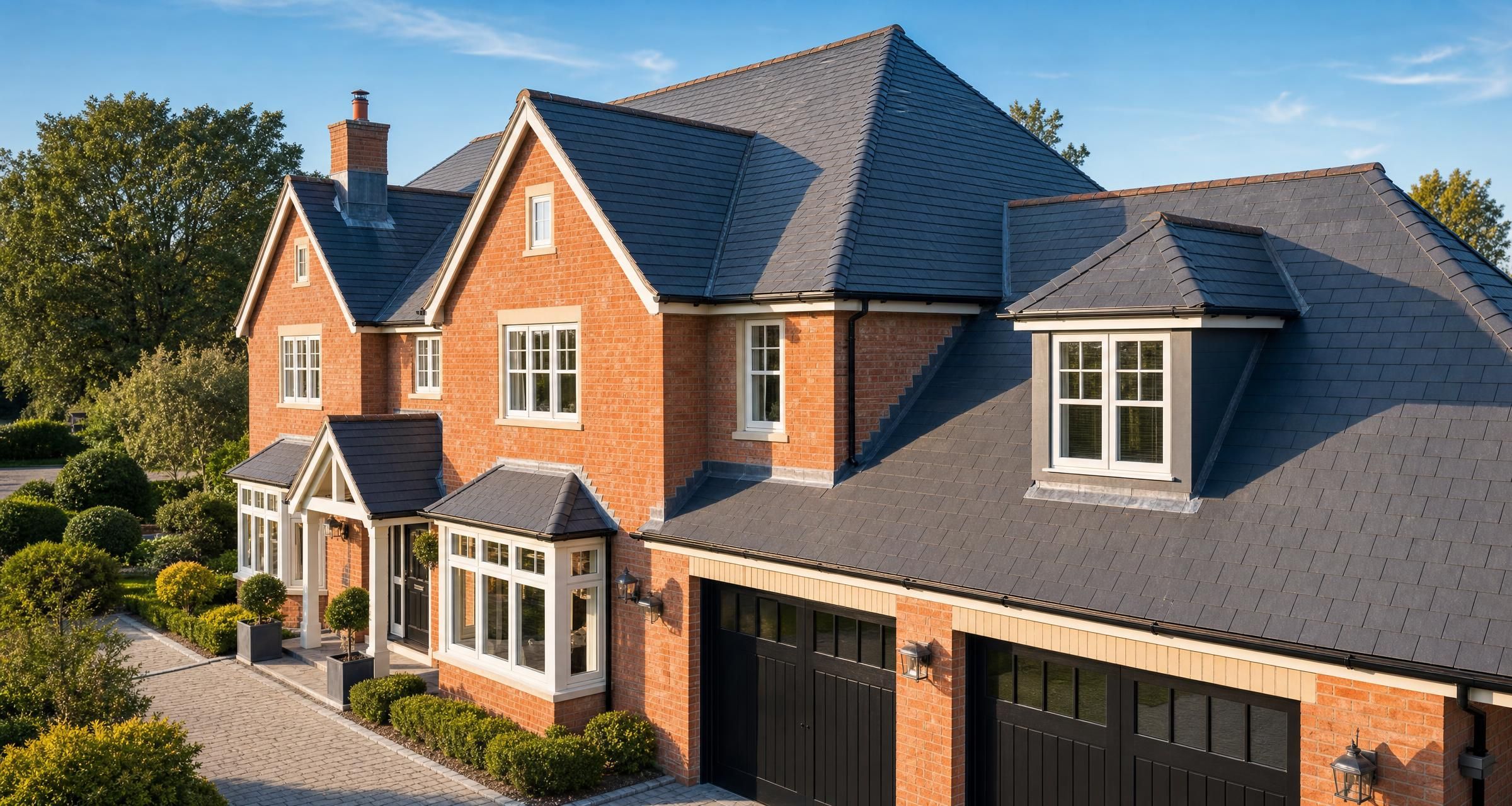
Roofers in Maldon
Finding reliable Roofers in Maldon is about more than getting someone to replace a slipped tile or stop a visible leak. Your roof is a complete system of coverings, battens, membrane, insulation, flashings, gutters and structural timbers. A fault in one area can allow water into another, so a proper inspection and clear scope of work matter far more than a quick guess from ground level.
Whether you are dealing with a recurring leak, ageing felt, cracked mortar, damaged leadwork or a roof that is nearing the end of its serviceable life, the right roofer should explain the cause, show you the evidence and set out practical repair options. Good roof work protects the structure of the house, improves energy performance and prevents small defects turning into expensive internal damage.
This article explains the work roofers can carry out, what repairs and replacements usually cost, how to compare quotations, the rules that may apply and how to avoid the most common roofing mistakes.
What Roofers in Maldon Can Help With
A competent roofing contractor should be able to assess both pitched and flat roof systems. Some firms focus on smaller repairs, while others have the labour, scaffolding arrangements and technical experience for complete renewals. Ask early whether the roofer regularly carries out the type of work you need.
Pitched roof repairs
Pitched roof work commonly includes replacing broken, slipped or missing tiles and slates, renewing ridge or hip tiles, repairing valleys, replacing damaged battens and dealing with worn underlay. Roofers also repair verge mortar, chimney flashings, roof windows, soil pipe flashings and areas around dormers.
A single slipped tile may be a straightforward repair. Several slipped tiles in one area can point to loose fixings, decayed battens, a failing underlay or wind damage. Simply pushing tiles back into place without checking what lies beneath often leads to another call out after the next period of bad weather.
Flat roof repairs and replacement
Flat roofs are often used on extensions, garages, porches, bay windows and dormers. Common coverings include felt, EPDM rubber, GRP fibreglass, liquid applied systems and single ply membranes. Each has different detailing requirements around edges, outlets, abutments and upstands.
A flat roof leak can be caused by split felt, lifted edges, poor drainage, cracked GRP, failed seals around a roof light or water tracking beneath a surface that appears sound. A roofer should inspect the roof outlet, falls, deck condition and perimeter details rather than applying sealant to the nearest visible crack.
For a fuller comparison of common systems, expected lifespans and replacement costs, see How Much Does It Cost to Replace a Flat Roof in the UK in 2026? Felt vs EPDM vs Fibreglass Prices, Insulation Upgrades and Scaffolding Costs.
Roof replacement and reroofing
A full reroof usually involves stripping the existing covering, checking the rafters, renewing damaged battens, fitting a breathable membrane, installing the new tile or slate covering, renewing flashings and making good ridges, verges and valleys. It may also include insulation improvements, fascia and soffit work, gutters and chimney repairs.
Roof replacement is not always necessary because a roof looks old. Clay tiles and natural slate can outlast several generations of underlay and battens. A thorough survey can establish whether selective repairs, a partial strip and recover, or full replacement is the sensible option.
Gutters, fascias and rainwater goods
Roofing firms often maintain gutters, downpipes, fascias and soffits. These components are not cosmetic extras. Overflowing gutters can saturate brickwork, damage timber eaves, stain render and create damp conditions internally. A gutter may overflow because it is blocked, but it can also be incorrectly pitched, undersized or overwhelmed by water discharging from a valley.
Routine maintenance is normally much cheaper than replacing rotten eaves or repairing water damaged masonry. Read Expert Tips on Maintaining Your Roof and Gutters for practical checks homeowners can carry out safely from ground level.
How a Proper Roof Inspection Should Work
A reliable roofer should not promise a permanent repair after a glance from a ladder or a photograph taken from the pavement. Minor jobs can sometimes be diagnosed quickly, but leaks are frequently deceptive. Water can travel along battens, rafters or membranes before appearing on a ceiling several metres away from the actual defect.
The inspection should usually cover the following:
- The condition of tiles, slates, ridge pieces, hips, valleys and verges
- Leadwork around chimneys, walls, roof windows and pipes
- The state of mortar, pointing and chimney masonry where accessible
- Gutter alignment, outlet condition and signs of overflowing water
- Fascias, soffits and visible eaves timbers
- Roof space evidence, including staining, wet insulation, daylight, mould or timber decay
- Signs of condensation caused by poor ventilation rather than rainwater entry
- Whether safe access, scaffold or a lifting platform is needed before work begins
Ask for photographs. Clear images of defects, especially from close range, make it easier to understand the proposed repair. They also create a useful before and after record. A roofer should explain whether a finding is urgent, routine maintenance or something that should be monitored.
Distinguishing a leak from condensation
Condensation is regularly mistaken for a roof leak. It is more likely to appear during colder months, particularly in lofts with inadequate ventilation or bathrooms where moist air reaches the roof space. Signs include widespread dampness on the underside of the membrane, mould growth, water droplets on nails and damp insulation.
Rainwater entry is more likely to produce a localised stain, particularly after wind driven rain. However, the two can exist together. Blocking ventilation paths with insulation can create condensation, while a damaged roof covering may also allow rain in. The roofer should look at both possibilities before recommending major work.
Typical Roofing Costs for UK Homeowners
Roofing costs vary significantly because access, roof shape, height, materials and hidden condition all affect labour. A simple repair to a low rear roof may take a few hours. A complex roof with chimneys, valleys, solar panels, steep slopes or fragile materials can require scaffold, several operatives and careful sequencing.
The figures below are broad 2026 working ranges for standard domestic work. They are not fixed prices and may exclude VAT where a contractor is not registered or has quoted separately.
| Type of work | Typical UK price range | Usual timescale |
|---|---|---|
| Replace a small number of tiles or slates from ladder access | £180 to £450 | Half day to one day |
| Local repair with several tiles, battens or membrane work | £450 to £1,200 | One to two days |
| Repair lead flashing around a chimney | £500 to £1,500 | One to three days |
| Rebed or renew ridge tiles | £700 to £2,000 | One to three days |
| Renew a small flat roof covering | £1,500 to £4,500 | Two to five days |
| Scaffold to a typical house elevation | £900 to £2,500 | Usually hired for the project period |
| Full reroof of an average three bedroom house | £8,000 to £18,000 or more | One to three weeks |
Natural slate, handmade clay tiles, complex leadwork and extensive structural repairs can take the total well beyond these ranges. A larger detached home or a roof with multiple valleys and dormers should never be priced against a basic terrace roof on a simple square metre basis alone.
For a detailed explanation of material choices, labour allowances and scaffold costs, read How Much Does It Cost to Replace a Roof in the UK in 2026? Materials, Labour and Scaffolding Explained.
What makes one roofing quote higher than another
A higher quote is not automatically poor value. It may include proper scaffold, waste removal, replacement battens, breathable membrane, leadwork, ventilation, new gutters and a realistic allowance for timber repairs. A low figure may cover only the visible tiles and omit the work needed to make the repair durable.
Other major price factors include:
- Roof pitch, height and access restrictions
- The need for scaffold, edge protection or a lifting platform
- Whether the existing roof is asbestos cement, fragile slate or otherwise difficult to work on
- The type, quality and availability of replacement materials
- Chimneys, valleys, dormers, roof lights and abutments
- The condition of rafters, battens, deck boards and insulation once opened up
- Waste volume and whether skips need permits or protected placement
- Whether rainwater goods and external joinery are included
Do not accept a quotation that says only “repair roof” or “reroof house” without a clear written scope. That wording makes comparison almost impossible and leaves too much room for disagreement later.
Choosing the Right Roofer
Roofing is safety critical work. Poor workmanship may remain hidden until a period of heavy rain or strong wind exposes it. The best selection process is based on evidence, technical understanding and a clear written agreement rather than a verbal promise or the lowest price.
Questions to ask before appointing a roofer
- What is causing the defect, and what evidence supports that view?
- Will you inspect the loft space or the underside of the roof where possible?
- Is scaffold included, and who is responsible for arranging it?
- Which materials, manufacturer and product range are proposed?
- Will existing tiles or slates be reused where suitable?
- What happens if rotten battens, timber decay or other hidden defects are found?
- Is waste removal included in the quoted sum?
- How long is the workmanship guarantee, and what exactly does it cover?
- Do you hold public liability insurance, and can you provide the details?
- Will the work need building control approval or self certification?
For larger projects, ask for examples of similar completed work and speak to recent customers if possible. A roofer who mainly carries out gutter cleaning may not be the right choice for a slate reroof, just as a large reroofing crew may not be the most cost effective option for one loose tile.
Trade memberships and competence
Membership of a trade body can be useful, but it is not a substitute for checking the contractor and quotation. Some roofing firms may belong to recognised schemes or use manufacturer approved systems. Ask what their membership means in practice, whether it relates to the proposed product and whether it offers a route for support if an issue arises.
For major work involving insulation, structural alterations or full replacement, a contractor may be able to self certify certain work through a competent person scheme. If no self certification route applies, building control may need to inspect the work. Make sure you know who will deal with this before the roof is stripped.
Requesting Quotes That Can Be Compared Fairly
Give each roofer the same information. Include photographs, the approximate age of the roof if known, the room where water has appeared, when the problem occurs and whether there is loft access. If you have already had temporary repairs, mention them. This helps prevent a contractor pricing blind.
For a reroof, ask each contractor to price a written scope rather than simply asking for “a new roof”. The specification should state the covering, underlay, batten treatment, fixings, ventilation, leadwork, ridge system, verge detail, gutters, scaffold and waste disposal. It should also set out what assumptions have been made about the existing structure.
What should be in the written quotation
- The full property address and work area
- A description of the defects or the proposed replacement work
- Material type, brand where known and colour or finish
- Whether the price includes VAT
- Scaffold, access equipment, skip hire and waste disposal
- Protection for driveways, gardens, neighbouring property and solar panels
- Provisional sums or rates for hidden timber repairs
- Expected start date and estimated duration
- Payment stages linked to completed work
- Workmanship guarantee and manufacturer warranty information
Be cautious if a contractor requires a large cash payment before materials arrive or work begins. A sensible payment structure for a substantial job may include a modest deposit for confirmed materials, followed by staged payments based on progress. Avoid paying the full amount until the agreed work is complete, the site is cleared and you have received relevant paperwork.
Comparing materials properly
Tiles and slates are not interchangeable simply because they look broadly similar from ground level. Their weight, lap, fixing method, minimum pitch and weather resistance vary. Installing a tile below its recommended pitch, or using unsuitable fixings in an exposed area, can create persistent leaks even if the workmanship appears tidy.
Clay tiles tend to retain colour well and can have a long service life. Concrete tiles are widely available and cost less, but are heavier. Natural slate has excellent durability when properly selected and fixed, while composite products can offer a lighter alternative. The right choice depends on roof pitch, structure, appearance, existing materials and budget. For help comparing options, see Roof Tile Types Explained Clay Concrete Slate and Composite Options for Homeowners.
Planning Permission and Building Regulations for Roofing Work
Like for like repairs to an existing roof do not usually require planning permission. Replacing damaged tiles with similar tiles, renewing gutters or repairing flashings is normally routine maintenance. The position can change where you alter the roof shape, raise the ridge, add a dormer, install roof lights in sensitive locations, change materials significantly or work on a listed building.
The official Planning Portal guidance on roofing projects is a useful starting point. Homeowners should also check directly with the relevant local planning authority where there is any doubt, especially if the property is listed or subject to restrictions.
Thermal upgrades during reroofing
Building Regulations can apply to roof renovation, particularly where a large area of a thermal element is being renovated. This may trigger consideration of insulation upgrades if technically and economically feasible. The proposed build up must also manage moisture correctly. Adding insulation without maintaining ventilation or using appropriate vapour control measures can create condensation risks.
A warm roof construction places insulation above the deck or rafters in a suitable system. A cold roof places insulation below the deck or between ceiling joists and relies on ventilation above. The correct approach depends on the roof type and existing structure. Flat roof upgrades require particular care because the deck condition, falls and vapour control layer all affect performance.
Structural alterations, such as replacing rafters, changing the roof form or adding heavy new coverings, may require building control involvement. Where applicable, ask for completion documentation and keep it with your property records.
Working safely at height
Roof work carries obvious fall risks, but falling materials, fragile roof lights and unstable ladders are also serious hazards. A professional contractor should assess access and use suitable controls. Scaffold with edge protection is often the safest option for extensive work, even though it adds cost.
The Health and Safety Executive guidance on work at height explains the legal expectation to plan work properly and use appropriate equipment. Homeowners should be wary of anyone proposing to walk across a fragile roof or carry out major work from a ladder where scaffold is plainly needed.
Common Roofing Problems and the Mistakes That Make Them Worse
Adding sealant instead of fixing the detail
Sealant has a role in carefully specified details, but it is not a universal roof repair. Smearing mastic over cracked flashing, loose tiles or failed felt can trap water, conceal defects and make the eventual repair more difficult. Lead flashing should be correctly chased, dressed and fixed. Tiles should be properly hung or fixed, not glued into place as a substitute for repair.
Ignoring the roof space
Many homeowners focus on the visible outside covering, yet the loft often provides the clearest evidence of a problem. Staining on rafters, damp insulation, mould and daylight at junctions can reveal whether the issue is rain penetration, condensation or poor detailing. If a roofer does not need to inspect inside because access is unavailable, that should be recorded as a limitation.
Replacing tiles without checking battens
Tiles and slates depend on the battens beneath them. Old battens can split, decay or lose their holding strength. Replacing a number of coverings onto failing timber may be a short term measure only. During a reroof, battens should be assessed properly rather than assumed to be sound because they are hidden.
Overlooking ventilation after insulation work
Loft insulation should not block airflow at the eaves. Ventilation paths must remain clear where the roof construction requires them. This is particularly relevant after insulation upgrades, boarding out loft areas or fitting new fascias. A warmer house is desirable, but trapped moisture can damage timbers and encourage mould.
Accepting a vague emergency repair
Emergency work may be necessary after storm damage, but ask whether the repair is temporary or permanent. A tarpaulin, temporary patch or resecured tile can protect the house until weather and access permit full work. Obtain a follow up scope and price for any permanent repair rather than assuming the emergency attendance has solved every issue.
A Homeowner Checklist Before Roofing Work Starts
- Take photographs of internal stains, loft areas and visible roof defects.
- Obtain at least two detailed written quotations for all but very minor repairs.
- Confirm whether scaffold, waste disposal and VAT are included.
- Check that materials are suitable for the roof pitch and existing structure.
- Agree how hidden defects and additional costs will be authorised.
- Move vehicles, garden furniture and fragile items away from the work area.
- Tell the contractor about solar panels, roof alarms, satellite dishes and access restrictions.
- Ask how driveways, planting and neighbouring areas will be protected.
- Keep copies of quotations, invoices, photographs, guarantees and certificates.
- Inspect the completed job from ground level and in the loft before final payment.
FAQ
How do I find suitable Roofers in Maldon for a roof leak?
Start by describing the symptoms accurately. Say where the water appears, whether it follows heavy rain or wind driven rain, whether the issue is near a chimney or valley and whether there is access to the loft. Ask for an inspection that includes photographs and an explanation of the likely cause. For a simple defect, one experienced repair roofer may be enough. For recurring leaks, extensive roof ageing or suspected structural issues, obtain more than one detailed assessment before agreeing to major work.
How much should I expect to pay for a roofer call out?
A straightforward call out and minor repair may cost around £180 to £450 where safe ladder access is possible. The price rises where scaffold, replacement materials, leadwork, multiple operatives or a return visit are needed. Emergency attendance outside normal hours can cost more. Ask whether the inspection fee is included in the repair price if you proceed.
Do I need scaffold for roof repairs?
Not always. A small isolated repair may be completed safely from a roof ladder or suitable access equipment. Scaffold is commonly needed for ridge work, chimney repairs, large areas of tile replacement, full reroofing and any job where repeated access or safe handling of materials is required. It protects workers and reduces the risk of falling debris. A contractor should explain why the chosen access method is appropriate.
Can I replace my roof without planning permission?
Like for like roof replacement is often permitted without a planning application, but there are exceptions. Changes to the roof shape, height, materials in certain circumstances, roof additions and work to listed buildings may need consent. Check the Planning Portal guidance and speak to the relevant planning authority if your project is not a straightforward replacement.
How long should a new roof last?
Service life depends on material, installation quality, exposure, maintenance and detailing. Concrete tiles may last several decades, clay tiles can last much longer, and good natural slate can remain serviceable for a century or more. Underlay, battens, fixings and leadwork may need attention before the main covering. Regular gutter clearing and early repair of slipped tiles, cracked flashings and loose mortar help extend the life of the whole roof system.
Final Thoughts
A sound roof depends on diagnosis, suitable materials, safe access and workmanship that deals with details rather than symptoms. Take time to obtain clear quotations, check what is included and make sure any major work addresses ventilation, insulation, flashing and structural condition as well as the visible roof covering.
If you need repairs, maintenance or a full replacement, post a job on BookaBuilderUK to receive free quotes from vetted local tradespeople.


