
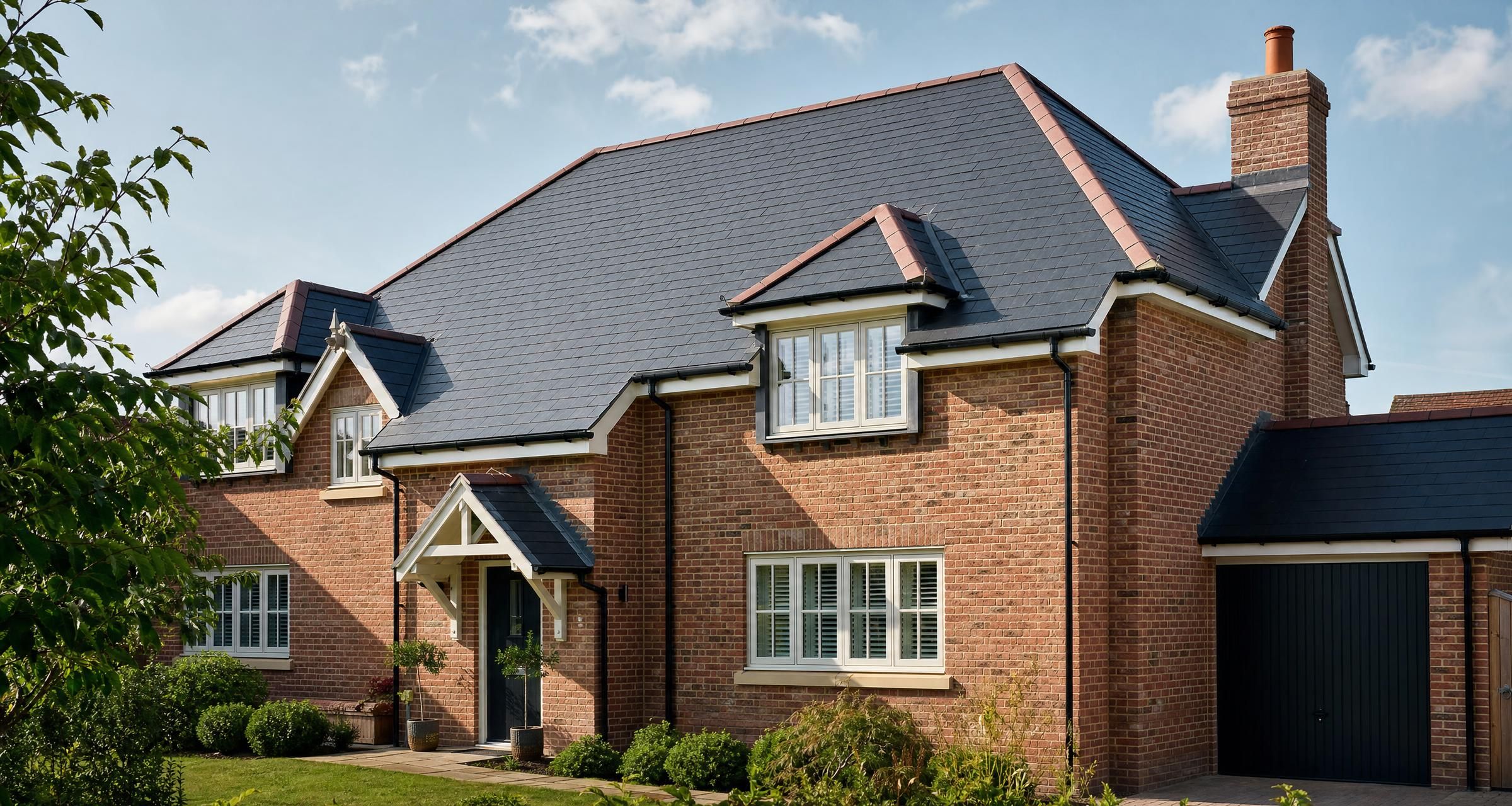
Roofers in Manningtree
Finding reliable Roofers in Manningtree is about more than getting someone to stop a visible leak. A roof protects the structure of the home, controls moisture, supports insulation performance and prevents small defects becoming costly timber, plaster and electrical damage. Whether you need a slipped tile replaced, leadwork repaired, gutters renewed or a complete new roof, the right contractor should diagnose the cause properly and provide a clear scope of work.
Roofing is one of the trades where an apparently minor issue can have several possible causes. Water appearing near a chimney may be a failed flashing, cracked mortar, damaged tile, blocked valley or defective membrane beneath the covering. A good roofer will inspect the roof safely, explain what they have found and distinguish between a sensible repair and work that is only postponing a larger problem.
This guide explains the work roofers can carry out, realistic costs, what to ask for in quotes, the regulations that may apply and how to avoid common roofing mistakes.
What roofers can help with
Professional roofers work on the outer weatherproof layer of a building, along with associated components such as flashings, valleys, gutters, fascias, soffits and roof ventilation. Some firms focus on repairs while others have the labour, scaffolding arrangements and experience needed for large replacement projects.
Roof repairs and fault finding
Common repair work includes replacing cracked or missing tiles, securing slipped slates, repairing ridge tiles, renewing broken mortar fillets, fixing damaged roof valleys and replacing failed lead flashing. A repair may also involve lifting tiles to inspect battens, membrane and timber beneath.
A competent inspection should identify the route water is taking rather than simply treating the point where it becomes visible indoors. Water can travel along a batten, roof membrane or timber before dripping into the loft several metres away from the actual defect.
Tile, slate and roof covering replacement
Roof coverings have different lifespans and repair requirements. Concrete tiles are widely used and robust but can become porous or crack after years of weather exposure. Clay tiles can last much longer if properly installed, while natural slate is extremely durable but requires skilled handling and suitable fixings. Flat roof systems may use felt, EPDM rubber, GRP fibreglass, liquid systems or single ply membranes.
If you are unsure which covering suits your roof, read Roof Tile Types Explained Clay Concrete Slate and Composite Options for Homeowners. Material choice affects appearance, roof loading, lifespan, maintenance needs and the final cost.
Flat roof repairs and renewal
Flat roofs are common on extensions, garages, porches, dormers and bay windows. Despite the name, they should have a designed fall that directs water towards outlets or gutters. Ponding water can indicate insufficient falls, blocked outlets, a sagging deck or a failing roof surface.
Minor splits or local damage can sometimes be repaired, but repeated patching of brittle felt or an ageing surface is rarely good value. A full renewal may involve stripping the existing layers, checking the deck, fitting insulation where required, forming suitable falls and installing a new weatherproof system.
Chimney, flashing and valley work
Chimneys and roof junctions are frequent leak points because several materials meet in one exposed area. Lead flashings need correct laps, upstands, fixings and allowance for thermal movement. Poorly fitted lead can crack, lift or split at joints. Cement alone is not an adequate substitute for properly detailed leadwork in many locations.
For a closer look at the warning signs and suitable remedies, see Lead Flashing Repair Explained for Homeowners Common Failures Best Fixes and When Replacement Is Needed.
Gutters, fascias and soffits
Guttering is often treated as a separate job, but it is closely linked to roof condition. Overflowing gutters can saturate brickwork, stain walls, damage fascias and cause water to enter at eaves. Rotten timber fascias may also indicate a longstanding issue with gutter falls, overflowing valleys or defective roof edges.
A roofer may replace individual gutter sections, renew downpipes, alter gutter falls, fit new fascias and soffits or repair eaves details. Regular maintenance is far less expensive than dealing with hidden rot. Expert Tips on Maintaining Your Roof and Gutters explains the checks homeowners can make through the year.
Roofers in Manningtree: deciding whether you need a repair or a replacement
Most homeowners understandably hope for a repair. In many cases that is the correct answer. Replacing a few slipped tiles, renewing leadwork around a chimney or fixing a localised flat roof defect can give years of further service. The issue is knowing whether the defect is isolated or part of a roof that is reaching the end of its useful life.
A repair is normally sensible where the main covering remains secure, the roof structure is sound, there are only a few damaged units and there is no widespread failure of underlay, battens or fixings. A roofer should be able to show you the affected area with photographs taken from a safe position.
Replacement becomes more likely where tiles or slates are failing across several slopes, mortar is breaking down widely, the roof has recurring leaks in different areas, battens are rotten, the membrane has perished or the roof covering has reached the point where repeated repair costs are no longer proportionate.
Do not accept a recommendation for full replacement based only on a ground level glance or a vague statement that the roof is old. Equally, be cautious of a contractor offering a quick patch without inspecting the loft, roof junctions and surrounding roof area. The correct scope follows the evidence.
Signs that need prompt attention
- Water staining, damp patches or dripping in the loft after rainfall
- Tiles, slates or ridge pieces visible on the ground
- Loose flashing around a chimney, skylight or wall abutment
- Daylight visible through the roof covering from inside the loft
- Sagging roof lines or signs of timber movement
- Gutters overflowing despite recent cleaning
- Moss growth lifting tiles or blocking valleys and gutter outlets
- Cracked render, loose brickwork or leaning chimney pots
- Persistent condensation in the loft, mould or damp insulation
Where water is entering near electrical fittings, isolate the affected circuit if it is safe to do so and contact a qualified electrician as well as arranging roof repairs. Do not enter a wet loft around damaged wiring.
What a proper roofing survey should involve
A useful survey starts with questions. The roofer should ask when the problem appears, whether it occurs only during wind driven rain, whether the roof has been repaired before and whether there are signs inside the loft. They should then inspect the relevant roof slope, junctions, gutters and drainage routes.
For accessible pitched roofs, inspection may include viewing from the ground, using roof ladders, scaffolding or a camera pole where appropriate. A drone can be helpful for initial images but should not replace a close inspection if work is being priced. Flat roofs need checks around edges, outlets, seams, upstands and any ponding water.
Inside the loft, the roofer should look for damp insulation, water marks on timbers, daylight at joints, signs of condensation and evidence of poor ventilation. They should not disturb insulation or roof components unnecessarily.
Ask for photographs and a written explanation in plain English. A clear diagnosis might say that several slates have slipped because their nails have corroded, that the valley lining has failed, or that lead flashing is split at a chase. “General roof repairs” is not a useful diagnosis.
Typical roofing costs for UK homeowners
Prices depend heavily on roof access, height, pitch, material, extent of damage, waste removal and whether scaffolding is needed. A single tile repair at low level may be relatively modest, while a leak around a chimney on a steep roof can involve scaffold, leadwork and several days of labour.
| Type of work | Typical UK price range | Usual timeframe |
|---|---|---|
| Replace a small number of tiles or slates | £180 to £450 | Several hours to one day |
| Localised roof repair with lifted tiles and new membrane section | £400 to £1,200 | One to two days |
| Renew lead flashing around a chimney or abutment | £600 to £1,800 | One to three days |
| Rebed or renew ridge tiles | £700 to £2,000 | One to three days |
| Flat roof renewal for a small garage or porch | £1,500 to £4,500 | Two to five days |
| New fascias, soffits and guttering for a typical house | £1,800 to £4,500 | Two to five days |
| Scaffolding for a typical two storey roof project | £900 to £2,500 | Usually hired for the project duration |
| Full roof replacement on a typical house | £8,000 to £20,000 or more | One to three weeks |
These figures are broad guide prices, not fixed quotations. A large detached house, complex roof shape, difficult access, chimney work, slate, premium clay tiles, asbestos removal or structural repairs can increase the cost significantly. Conversely, a straightforward repair where safe access is already available may cost less.
For a deeper breakdown of materials, labour and scaffold costs, see How Much Does It Cost to Replace a Roof in the UK in 2026? Materials, Labour and Scaffolding Explained.
What should be included in a roof replacement price
A full roof quotation should state the roof covering and manufacturer or product range, the approximate quantity, underlay or membrane specification, battens, fixings, ridge and hip details, flashing work, ventilation, insulation work if included, waste removal and scaffolding.
It should also clarify whether the price includes stripping the existing covering, replacing rotten battens, renewing valleys, renewing gutters, repairing chimney masonry and making good any internal damage. These items often cause confusion because some cannot be confirmed until the roof is opened up.
Reasonable provisional sums can be used for concealed timber repairs, but the quote should explain the labour rate, material rate or pricing method that will apply if extra work is needed. Avoid open ended wording that leaves you exposed to an undefined final bill.
Planning permission and building regulations for roof work
Many roof repairs do not require planning permission. Replacing like for like tiles, repairing flashings and renewing gutters are generally maintenance work. Planning permission may be required if the proposal materially changes the roof shape, raises the ridge, adds a dormer, alters a roof slope facing a highway in some circumstances or affects a listed building or property within a designated area.
The official Planning Portal guidance on roof alterations is a useful starting point, but speak with the relevant planning authority where your property has special restrictions. Do this before ordering materials or booking scaffold.
Building regulations are more likely to apply to substantial roof work. If more than 25 per cent of a roof covering is replaced, the work may trigger requirements to upgrade the thermal performance of the roof where technically and economically feasible. This can mean adding insulation at ceiling level or within the roof build up, depending on the construction.
Structural alterations, such as replacing roof timbers, changing the roof form or installing roof windows, also require careful consideration and may need building control approval. A replacement roof should maintain weather resistance, adequate ventilation, safe drainage and structural stability.
Ask the roofer whether they will notify building control or can self certify eligible work through a recognised competent person scheme. Keep completion certificates, invoices, warranty documents and photographs with your property records. They can be useful during a future sale.
How to choose a roofer with the right experience
Roofing is not a trade to appoint solely on the lowest price. The cheapest quote can become expensive if it leaves defective details, poor ventilation, unsuitable materials or unfinished work. Look for a roofer whose recent work matches the job you need.
Checks to make before appointing anyone
- Ask how long they have been carrying out the type of roofing work you require.
- Request evidence of public liability insurance and check that it is current.
- Ask for recent examples of similar work, ideally with photographs showing details rather than only finished wide shots.
- Check whether they use their own trained roofers or subcontract the whole job.
- Confirm who arranges scaffolding, waste removal and any building control notification.
- Ask what guarantee is offered for workmanship and whether any material warranty requires registration.
- Check the trading name, address, written quotation and payment terms before agreeing work.
- Ask whether the work will be photographed before, during and after completion.
Membership of an industry body can be useful but should not replace practical checks. The National Federation of Roofing Contractors and TrustMark are examples of bodies homeowners may use as part of their research. The key question remains whether the contractor has the knowledge, insurance, labour and systems to complete your specific work properly.
Roof work creates serious fall risks. The Health and Safety Executive guidance on roof work explains why proper access, edge protection and planning are essential. A contractor who suggests walking directly on fragile roof sheets, working at height without appropriate protection or using unsafe access methods is showing you how they approach the rest of the job.
How to request quotes that you can compare fairly
Get at least two or three written quotations for anything beyond a small straightforward repair. Provide each roofer with the same information, including photos of internal damp, the age of any previous repair, the roof type and your preferred timescale. If there is an inspection charge, establish whether it will be deducted from the cost of accepted work.
Ask each contractor to price the same scope wherever possible. If one says repair and another says replacement, ask both to explain their reasoning and identify the evidence. It may be worth paying for a detailed independent survey where the proposed work is extensive or the recommendations differ sharply.
Your roofing quote checklist
- A specific description of the defect and the proposed repair or replacement.
- The exact materials, including tile, slate, membrane, lead or flat roof system.
- Scaffolding, access equipment and edge protection arrangements.
- Labour, materials, waste disposal and VAT, clearly separated where possible.
- Start date, estimated duration and likely working hours.
- Allowance for hidden defects and the process for approving additional costs.
- Protection for driveways, gardens, solar panels and neighbouring property.
- Guarantee length, what it covers and any exclusions.
- Payment schedule linked to sensible stages of completed work.
- Who is responsible for building control, permits and final certification if needed.
Do not pay the full amount in advance. A reasonable deposit may be needed for special order materials or to secure scaffold, but it should be proportionate and documented. Larger projects are usually better paid in stages after agreed progress has been achieved. Retain all communication in writing.
Common roofing mistakes that cost homeowners money
Repairing the symptom rather than the defect
Applying sealant around a leak can sometimes provide a short term weatherproofing measure, but sealant is not a substitute for correctly installed flashing, tiles, valleys or membrane. If the underlying detail is wrong, water usually finds another route.
Covering over a failed flat roof without checking the deck
Overlay systems can be appropriate where the existing roof is dry, stable and well attached. They are not suitable for every roof. If the deck is wet, warped or rotten, trapping it beneath a new layer may lead to further failure. Ask whether the roofer has checked moisture, deck condition and drainage falls.
Ignoring ventilation and insulation
A newly recovered roof that lacks appropriate ventilation can suffer condensation in the loft. Damp air from the house can condense on cold surfaces, affecting timbers, insulation and metal fixings. Roof ventilation details must work with the insulation arrangement rather than being added as an afterthought.
Using unmatched or unsuitable materials
Tiles and slates may look similar but differ in size, profile, gauge, fixing method and weight. Mixing unsuitable products can affect weather resistance and appearance. A replacement covering must also be suitable for the roof pitch. Low pitch roofs need specific products and installation methods.
Accepting vague guarantees
A promise of a long guarantee is only meaningful if it states who provides it, what work is covered, what exclusions apply and whether the business can be contacted if a problem occurs. Keep paperwork and ensure any manufacturer registration is completed.
Preparing your home for roofing work
Roof work is disruptive, particularly where scaffold, stripping work and waste skips are involved. Preparing properly makes the project safer and easier for everyone.
- Move vehicles away from the work area before scaffold is erected.
- Clear fragile garden items, pots and furniture from around the property.
- Tell the roofer about shared access, conservatories, extensions, solar panels and cable runs.
- Protect loft contents from dust and small debris, particularly during a full strip and recover.
- Keep windows closed near the work area during tile removal and cutting.
- Speak to immediate neighbours if scaffold, deliveries or noise may affect access.
- Confirm where skips, materials and waste will be placed.
- Check that the roof will be made weatherproof at the end of each working day.
For a complete re roof, ask how much of the roof will be opened at one time and what temporary weather protection will be used if rain is forecast. A professional team plans the sequence of work to avoid leaving large areas exposed unnecessarily.
FAQ about Roofers in Manningtree
How much do Roofers in Manningtree charge for a roof inspection?
Some roofers offer an initial visual assessment without charge if the job is likely to proceed, while others charge for a detailed inspection, particularly where access equipment, a drone survey or written report is needed. Expect anything from around £100 to £350 for a more detailed visit, with higher costs possible if scaffolding or specialist access is required. Ask what the inspection includes and whether any fee is deducted from the repair cost if you appoint the contractor.
Do I need scaffolding for a roof repair?
Not every repair needs scaffolding, but safe access must be suitable for the task. A small low level repair may be completed from a properly secured ladder system. Work around chimneys, extensive tile repairs, ridge work, full roof replacement and jobs close to public areas commonly need scaffolding with edge protection. Scaffolding adds cost, but it improves safety, allows better workmanship and reduces the temptation to rush access sensitive details.
How quickly can a leaking roof be repaired?
Emergency attendance may be possible quickly, particularly for active water ingress after severe weather. The first visit may involve temporary protection, such as securing loose materials or fitting a temporary covering, until conditions and access allow a permanent repair. A simple tile or flashing repair might be completed in one day. More involved work may need scaffold booking, material lead time and dry weather for safe installation.
Will a new roof improve my energy bills?
A new roof covering alone does not automatically provide a major insulation improvement. Energy performance improves where the project includes suitable loft insulation, insulated roof construction or upgrades required under building regulations. The roofer should assess the existing roof build up and explain whether insulation work is included. Proper ventilation remains necessary so that improved insulation does not create condensation problems.
Should I repair an old roof or replace it completely?
The decision depends on condition, not age alone. Isolated damage on a generally sound roof normally supports repair. Widespread cracked tiles, repeated leaks, deteriorated battens, failing underlay, extensive nail corrosion or several expensive repairs in a short period can make replacement better value. Ask for photos, a written explanation and separate prices for repair and replacement where both are viable options.
Final Thoughts
Good roofing work starts with correct diagnosis, safe access and a detailed written scope. Take time to compare like for like quotes, check insurance and experience, and make sure materials, scaffold, waste, guarantees and certification are all accounted for before work begins.
If you need help with a repair, roof survey or replacement project, post a job on BookaBuilderUK to receive free quotes from vetted local tradespeople.


