
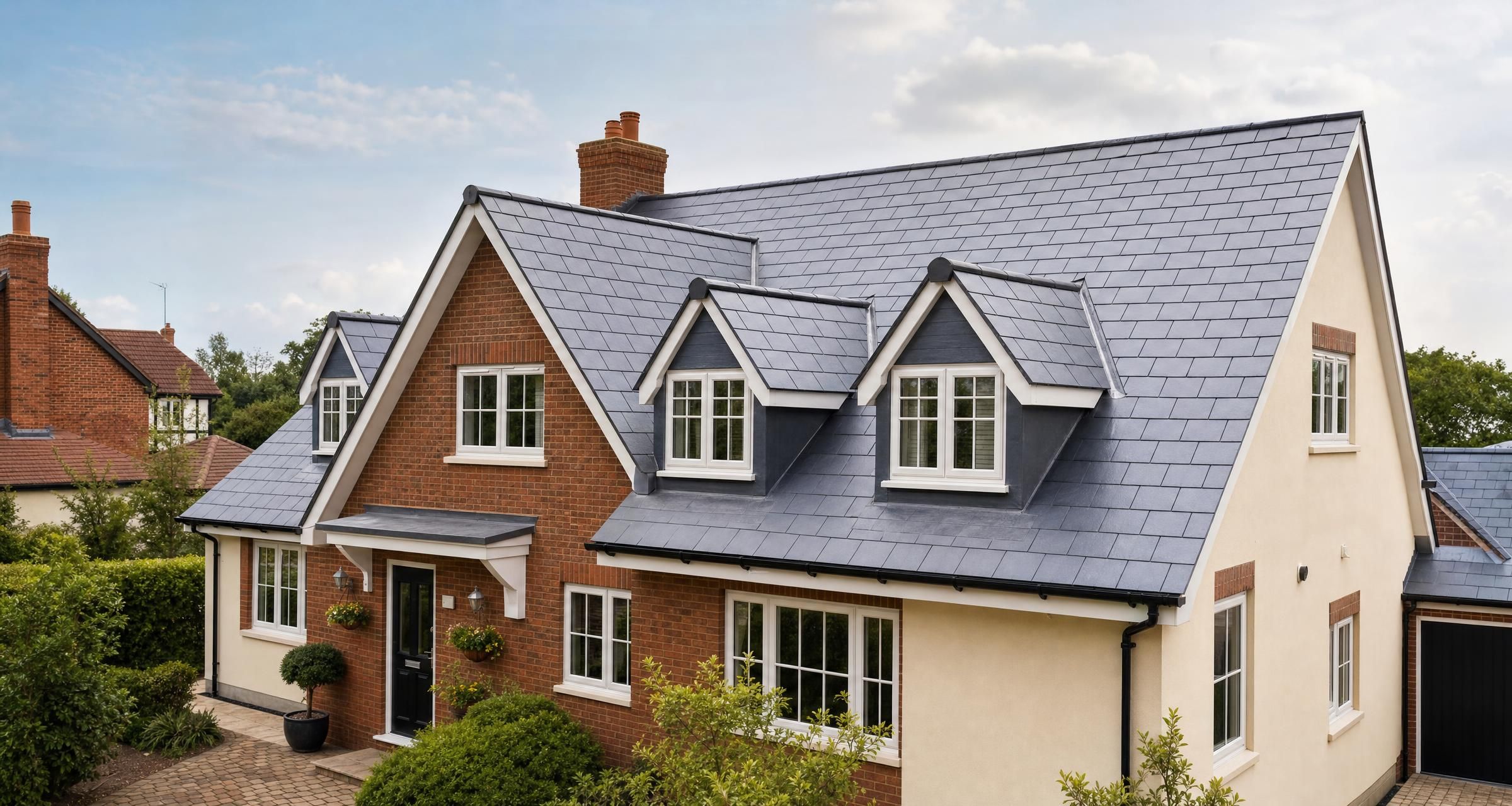
Roofers in Shoeburyness
Finding reliable Roofers in Shoeburyness is about more than getting a quick price for a missing tile or a damp patch on the ceiling. Your roof is a complete system of tiles or slates, underlay, battens, flashings, valleys, gutters, ventilation and structural timbers. A visible leak may be caused by one failed component, but the correct repair depends on identifying where water is entering and how far the defect has spread.
A competent roofer should explain the likely source of the issue, recommend a proportionate repair and provide a written scope. That matters whether you need a slipped tile put back, chimney flashing renewed or a full roof replacement.
This guide explains the work roofers carry out, what roof repairs and replacements cost, how to compare quotations, the rules that may apply and the warning signs homeowners should not ignore.
What Roofers in Shoeburyness can help with
Roofing contractors often work across several roof types. A roofer who is very capable on a pitched tiled roof may not be the right choice for a large flat roof renewal, leadwork restoration or structural roof alteration. Match the contractor’s experience to the work required.
Pitched roof repairs
Pitched roofs usually use concrete tiles, clay tiles, natural slate, fibre cement slates or composite products. Repairs can include replacing cracked or displaced tiles, renewing broken clips, repairing ridge and hip tiles, fixing damaged verge mortar, replacing rotten battens and addressing worn felt or membrane beneath the covering.
A few slipped tiles do not always mean the roof needs replacing. However, repeated movement can indicate decayed battens, failed fixings or a covering nearing the end of its useful life.
Flat roof repairs and replacement
Flat roofs are common on extensions, garages, porches, dormers and bays. Modern systems include felt, EPDM rubber, GRP fibreglass, liquid applied systems and single ply membranes. Each requires correct preparation, edge details, drainage falls and junctions with walls or pitched roofs.
Common faults include splits in aged felt, failed joints, cracked GRP, standing water, loose edge trims, damaged upstands and poor detailing around rooflights. A patch can be sensible where the defect is isolated and the wider roof remains sound. A brittle, heavily cracked surface or widespread ponding may justify renewal.
Leadwork, flashings and valleys
Lead is used around chimneys, abutments, dormers, rooflights and valleys because it can be dressed into complex shapes and remains durable when fitted properly. Failed flashing is one of the most common reasons for a leak near a chimney breast or party wall.
Leadwork should allow for movement, use appropriate laps, be adequately fixed and be formed with correct soakers or trays where needed. Cement smeared over failed lead is rarely a lasting repair. It can trap water, crack with movement and make the eventual proper repair more difficult. For a closer explanation of likely defects, read Lead Flashing Repair Explained for Homeowners Common Failures Best Fixes and When Replacement Is Needed.
Gutters, fascias, soffits and roofline
Water running from an overflowing gutter can cause staining, rotten timber, damp masonry and damage to foundations over time. Roofline work may include replacing fascias, soffits, guttering, downpipes, eaves support trays and damaged timber at the roof edge.
Plastic roofline products are widely used, but covering rotten timber with new fascia boards is poor practice. The roofer should check the existing timber and ventilation, then remove defective material where necessary. A neat fascia does not prove that the eaves structure behind it is sound.
Chimney repairs and roof structure work
Roofers may also repoint chimneys, renew flaunching, replace pots, fit cowls, repair parapet walls and renew valley structures. Larger jobs can involve replacement rafters, purlins, trusses, struts or ceiling ties. Do not allow a contractor to cut or remove roof members without establishing their purpose and, where required, obtaining design advice and Building Regulations approval.
Signs your roof needs professional attention
A roof does not need to be actively dripping before it needs attention. Small defects become expensive where water reaches the underlay, battens, insulation or roof timbers.
- Brown marks, mould or peeling paint on ceilings or upper walls
- Tiles, slates, mortar or lead fragments found on the ground
- Ridge or hip tiles that appear uneven, loose or cracked
- Daylight visible in the loft or water marks on rafters and felt
- Gutters overflowing during ordinary rainfall, not just extreme storms
- Vegetation growing from gutters, valleys or chimney joints
- Cracked, missing or slipped tiles and slates
- Persistent condensation in the loft, especially around the eaves
- A flat roof surface that blisters, cracks, sags or retains water for days
- Loose flashing around a chimney, wall junction, rooflight or vent pipe
Check from ground level using binoculars if needed. Do not climb onto a roof, lean a ladder against a gutter or walk across ageing tiles. Tiles crack easily under foot and falls from low height can cause life changing injury. The Health and Safety Executive provides clear advice on working at height, including proper access planning and collective protection where suitable.
What a proper roof inspection should involve
A meaningful assessment combines an external inspection with a look inside the loft where safe access is available. The external view may identify defects in the covering, mortar, leadwork, gutters and roofline. The loft can reveal staining, damp timbers, poor ventilation, failed underlay, insect damage and leaks travelling from another part of the roof.
Water does not always enter directly above an internal stain. It can run along battens, timber members, cables or the underside of a membrane before appearing at a ceiling junction. Major recommendations should therefore be supported by clear evidence. If areas cannot be seen safely from ground level, photographs should show the defect and its position within the wider roof.
Temporary repairs after a storm
If a storm has removed tiles or caused an active leak, arrange a temporary weatherproof repair as soon as possible. This might involve refixing tiles, making safe loose materials or applying a temporary covering. Keep a record of the damage and the date, particularly if you intend to contact your insurer.
Once conditions are safe, the surrounding roof should be assessed and a permanent repair agreed. Storm damage can expose weaknesses that were already present.
Typical roofing costs for UK homeowners
Prices vary with roof size, pitch, access, materials, structural condition and waste disposal. Homes with awkward access, several roof levels, valleys, chimneys or rooflights generally take longer and need more detailed work. Labour and access costs can form a substantial part of a modest repair.
The figures below are sensible broad UK budgeting ranges for 2026. They are not fixed prices. A site visit and clear scope are needed before committing to work.
| Type of work | Typical budget range | What can affect the cost |
|---|---|---|
| Replace one to five slipped or broken tiles | £180 to £450 | Roof access, tile availability, height and whether a tower or scaffold is needed |
| Localised slate repair | £250 to £700 | Slate type, fixing method, access and hidden batten condition |
| Rebed or repoint a short section of ridge | £400 to £1,200 | Length, mortar condition, mechanical fixing requirements and access |
| Renew chimney flashing | £700 to £2,000 | Chimney size, lead detail, brickwork repairs and access |
| Gutter repair or replacement | £250 to £1,200 | Length, material, downpipes, fascia condition and access |
| Small flat roof replacement | £1,200 to £3,500 | System selected, deck repairs, insulation, edge trims and drainage |
| Garage flat roof replacement | £1,800 to £5,000 | Area, asbestos considerations, deck condition and insulation |
| Typical pitched roof replacement | £8,000 to £22,000 or more | Roof area, tile or slate choice, access, insulation and timber repairs |
For a deeper breakdown of labour, materials and access costs on major work, see How Much Does It Cost to Replace a Roof in the UK in 2026? Materials, Labour and Scaffolding Explained.
Why scaffolding is often necessary
Scaffolding provides a stable working platform and safer material handling. It is normally expected for full replacements, chimney work, longer repairs and jobs involving several elevations. A small repair may use a secured ladder or access tower if the contractor’s risk assessment supports that method.
Check whether the price includes erection, hire, adaptations, any relevant pavement licence and removal. Excluding necessary access equipment can make a quote appear cheaper without reducing the final cost.
How to choose a roofer with the right experience
Roofing has a low barrier to entry, while poor work can stay hidden until the next period of heavy rain. Check the business carefully before accepting a quote, especially for a full replacement, specialist flat roof system or structural repair.
Ask about relevant work, not just general experience
A roofer may have years of experience but still not regularly install the system you need. Ask whether the business has completed similar roofs recently. An EPDM installation requires different skills from natural slate work, while lead detailing around a chimney calls for specialist competence.
If a manufacturer backed guarantee is offered, ask whether the contractor is approved to install that product and what paperwork will be provided. Cover may depend on approved installation, registered products or a specified inspection process.
Check identity, insurance and written terms
- Confirm the business name, address and a reliable contact number
- Ask for public liability insurance details and check that cover is current
- Request recent examples of comparable work and references where appropriate
- Check what workmanship guarantee is offered, for how long and what it excludes
- Make sure the quote identifies materials, roof areas and repair locations clearly
- Ask who will undertake the work and whether subcontractors are involved
- Check whether waste removal, access equipment and making good are included
- Agree payment stages before work starts
Membership of a recognised trade body can be a useful extra check, but it is not a substitute for evidence of competent work. The National Federation of Roofing Contractors provides information about professional roofing standards and its member search facility.
Be cautious with doorstep pressure
A roofer who says they noticed urgent damage while working nearby may be genuine, but do not agree to major work at the door. Never be pressured into an immediate cash payment or asked to sign vague paperwork. Obtain an independent assessment, particularly if the only evidence is a verbal claim that the roof is unsafe.
A genuine urgent issue can be made safe while you gather proper information. A reputable contractor should be comfortable explaining the risk and setting out temporary and permanent options.
How to request and compare roofing quotations
You do not need to diagnose the roof yourself. Describe the symptoms, when they occur and any previous repair attempts. Mention property height, access restrictions and features that could affect the work.
Tell each roofer:
- Whether the roof is pitched, flat or a combination of both
- Where the leak or visible defect appears and when it occurs
- Whether there is loft access and any visible staining or daylight
- The approximate property height and any access restrictions
- Whether there are solar panels, rooflights, satellite dishes or chimney stacks
- Whether the work is an urgent repair, planned maintenance or full replacement
- Whether you have a preferred material or need advice on suitable options
- Whether a previous repair has failed and what work was completed
For replacement roofing, ask every contractor to price the same scope. Retaining existing felt and battens is not comparable with installing a new breathable membrane, treated battens and associated eaves details.
A detailed quotation should state:
- The exact work areas and type of repair or replacement
- The tile, slate or membrane brand, range and colour where applicable
- Whether existing coverings will be stripped back fully
- Whether new underlay, battens, fixings and eaves trays are included
- The leadwork specification and thickness where lead is being renewed
- Any insulation upgrades and ventilation work
- Allowances for rotten timber and the rate for additional repairs
- Scaffolding, waste removal, skip hire and site protection
- The expected start date, duration and arrangements for weather delays
- The payment schedule, warranty terms and completion documents
Compare the scope rather than the final total alone. Highlight omissions and ask why prices differ. If timber repairs are included as a provisional sum, establish what triggers the additional cost and how approval will be obtained before the work proceeds.
A very low quote may exclude access, skips, battens, leadwork, ventilation or disposal. An expensive quotation should also explain what the additional cost provides. Avoid paying the full contract sum in advance. A proportionate deposit for ordered materials may be reasonable where it is documented.
Roof materials and choosing the right replacement covering
The covering needs to suit the roof pitch, structural loading, appearance, exposure and existing character of the property. An attractive product may not be suitable for a shallow pitch or could require changes to battens, fixings and structural support.
Concrete tiles are widely used, robust and generally cost effective, though they are heavier than many alternatives. Clay tiles offer colour stability and a traditional appearance but can be more expensive. Natural slate can last for generations where good material and proper fixing methods are used. Composite slates and tiles may reduce weight and improve consistency, but product quality varies.
Before choosing, ask the roofer to explain the minimum pitch, fixing specification, ventilation needs, expected lifespan and maintenance requirements. This guide to Roof Tile Types Explained Clay Concrete Slate and Composite Options for Homeowners is useful if you are weighing up the main options.
Matching existing tiles on a small repair can be difficult because older products weather, fade and may no longer be made. A good roofer will try to source a close match, use reclaimed material where suitable or position replacement tiles in a less conspicuous area if an exact match is unavailable.
Planning permission and Building Regulations for roofing work
Like for like repairs usually do not need planning permission. Planning considerations can arise if you materially alter the roof shape, raise the ridge, add a dormer, change the external appearance in a restricted area, install rooflights that project beyond permitted limits or work on a listed building. Conditions affecting permitted development rights may also apply.
The safest starting point is the Planning Portal guidance on roof alterations. If there is uncertainty, check with the relevant local planning authority before work begins.
Building Regulations may apply where more than 25 per cent of a roof thermal element is renovated or replaced. This can require insulation improvements where they are technically and economically feasible. Structural alterations, significant loading changes, new openings and loft conversions also require approval.
Read the official Building Regulations approval guidance and agree who will handle any application. Retain approval documents, specifications, invoices and warranties after substantial work.
Ventilation and insulation should be considered together
Adding insulation without considering ventilation can create condensation within the roof void. Warm, moist air can reach cold timbers and condense, leading to mould, damp insulation and timber decay. The correct arrangement depends on whether the property has a cold roof with insulation at ceiling level or a warm roof with insulation following the roof line.
Ventilation must work with the selected underlay and insulation arrangement. Eaves vents should not be blocked by loft insulation. A competent roofer or building professional should explain how airflow will be maintained during reroofing or an insulation upgrade.
Common roofing mistakes that lead to repeat problems
Repairing symptoms instead of the cause
Replacing a tile will not resolve water entering through perished flashing, a blocked valley or failed underlay. The source of the leak and the condition of adjacent components should be established before work is agreed.
Using sealant as a permanent solution
Roof sealants have a place for specific details and temporary work, but they are not a substitute for properly formed leadwork, sound joints or suitable mechanical fixings. Heavy applications of mastic often conceal defects rather than resolving them.
Ignoring gutters and drainage
Blocked gutters force water behind fascias and down external walls. Valleys filled with moss or debris can overflow beneath tiles. Regular clearing is cheaper than replacing rotten eaves timbers. For practical seasonal checks, see Expert Tips on Maintaining Your Roof and Gutters.
Accepting vague estimates for major work
A verbal estimate such as “around ten thousand” gives little protection. Full replacement work needs an itemised scope, an agreed contract price and clear payment stages.
Overlooking asbestos risks
Older garages, outbuildings and some roofing products may contain asbestos cement or other asbestos containing materials. Do not drill, cut, pressure wash or remove suspected asbestos yourself. A competent contractor should identify the risk and arrange appropriate testing or licensed removal where necessary. The HSE has guidance on asbestos safety.
A practical homeowner checklist before roofing work starts
- Get at least two detailed quotations for anything beyond a minor repair.
- Confirm the likely cause of the problem and the proposed solution.
- Check insurance, contact details and examples of comparable work.
- Agree the materials, colour, finish and technical specification.
- Confirm whether access equipment, waste removal and making good are included.
- Ask how hidden timber defects will be priced and authorised.
- Check planning and approval requirements before major alterations.
- Move vehicles, garden furniture and fragile items away from the working area.
- Tell the contractor about loft access, alarms, solar panels and known hazards.
- Keep the quotation, invoices, guarantee and compliance documents.
FAQ about Roofers in Shoeburyness
How quickly can Roofers in Shoeburyness repair a leaking roof?
For an active leak or storm damage, a roofer may be able to make the roof safe quickly, depending on weather, access and workload. Emergency work often focuses on stopping further water entry, securing loose tiles and protecting exposed areas. Permanent work may need to wait for dry conditions, suitable materials or safer access.
If water is entering the house, place buckets beneath the leak and move valuables away. If the ceiling is bulging with water, keep clear and seek urgent professional advice because saturated plasterboard can fail suddenly.
Do I need scaffolding for a roof repair?
Not every repair requires scaffolding. A ladder or access tower may be suitable for a small, low risk task. Larger repairs, chimney work, extensive ridge work and full reroofing normally require a more substantial working platform. The quotation should state the proposed access method.
How do I know whether to repair or replace my roof?
Repair is generally sensible where the defect is localised and the surrounding covering, battens, underlay and structure remain serviceable. Replacement may offer better value where defects are widespread, leaks keep returning or several components have deteriorated.
A recommendation for replacement should explain why a local repair would not provide a reasonable service life. For a costly project, obtaining a second opinion is sensible.
Will a new roof need Building Regulations approval?
Approval may be required for substantial reroofing, insulation work, structural changes and new roof openings. Minor like for like repairs are less likely to need it. Agree responsibility for any application before work starts and obtain the relevant completion documents.
How often should I have my roof and gutters checked?
Most homeowners benefit from a ground level visual check twice a year and after severe weather. Gutters should be cleared according to nearby trees, moss growth and seasonal debris. Arrange professional help if you notice damp, slipped tiles, overflowing gutters, loose mortar or changes in the roofline.
Final Thoughts
Roofing work is easier to manage when the defect is identified early, the scope is clear and the contractor has proven experience with your roof type. Compare quotations on a like for like basis and confirm the materials, access arrangements, waste removal, payment stages and warranties before work begins.
If you need a repair, inspection or replacement, post a job on BookaBuilderUK to receive free quotes from vetted local tradespeople.


