
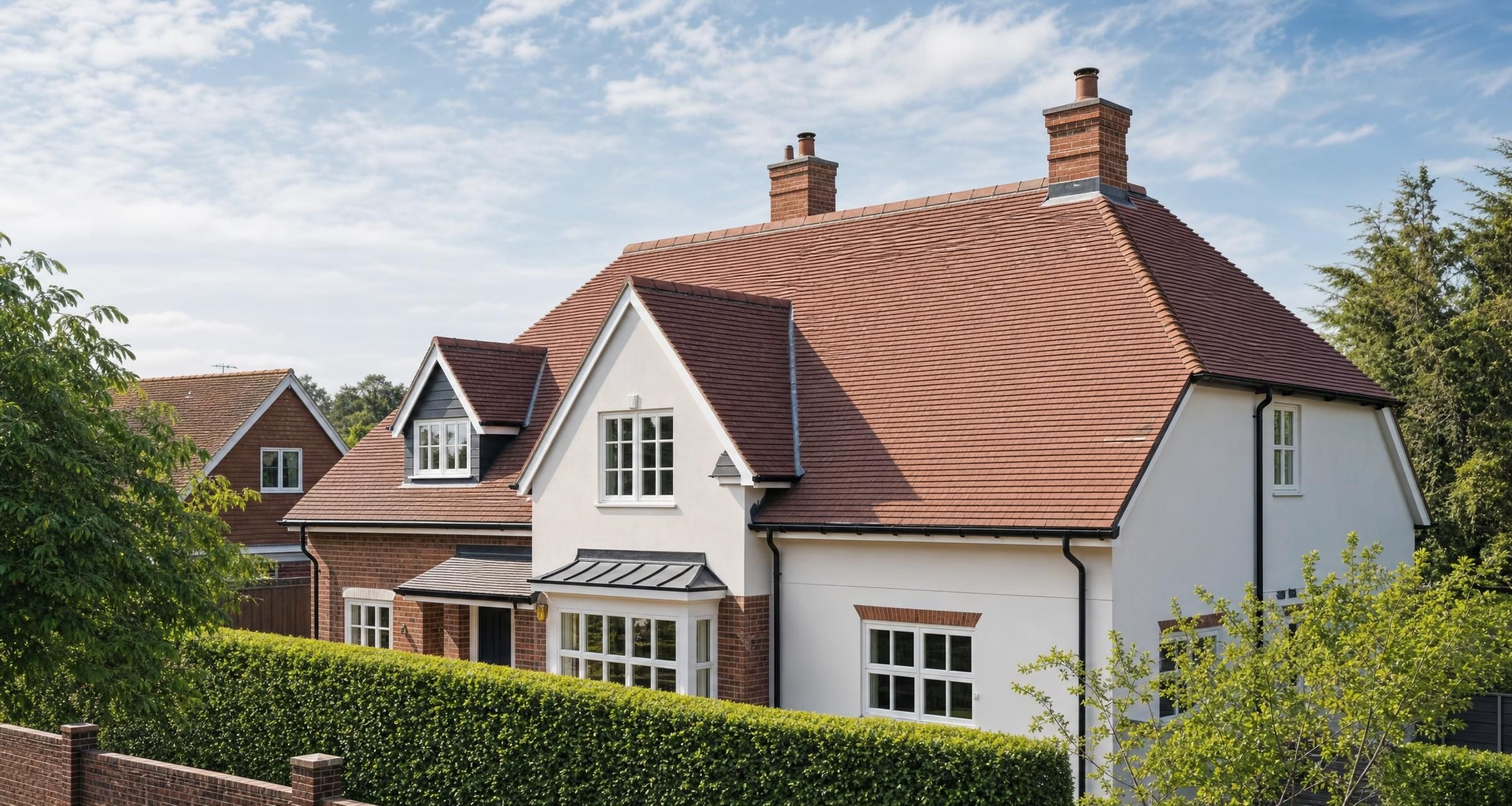
Roofers in South Ockendon
Finding reliable roofers in South Ockendon is about more than getting a quick price for a slipped tile or visible damp patch. A roof protects the structure, insulation, ceilings, electrics and contents of your home. Small defects can often be repaired economically, but missed warning signs or poor workmanship can turn a straightforward repair into a much larger bill.
Whether you need a leaking valley repaired, guttering renewed, flashing replaced, chimney work completed or a full roof replacement, the right roofer should diagnose the source of the problem before recommending work. A professional inspection, a clear written quotation and suitable safety arrangements are the foundations of a successful roofing job.
What Roofers in South Ockendon Can Help With
Roofing is a broad trade. Some contractors concentrate on small repairs, while others take on complete re roofs, structural alterations and flat roofing systems. Before requesting quotes, it helps to understand the type of work you may need.
Roof repairs and leak investigations
Roof leaks are not always directly above the damp mark visible inside the property. Water can travel along roofing felt, battens, rafters, chimney breasts or ceiling joists before appearing. A roofer should inspect the roof covering, flashings, valleys, mortar, gutters and roofline before deciding what needs repair.
Common repair work includes replacing broken tiles or slates, securing loose ridge tiles, repairing cracked mortar, renewing damaged leadwork, fixing valley defects, replacing rotten battens and repairing torn felt. A localised repair may take a few hours, while more involved work involving scaffold access can take several days.
Tile, slate and roof covering replacement
Concrete tiles, clay tiles, natural slate and composite products all perform differently. Matching an existing roof can be difficult where original materials are no longer made, faded or weathered. A good roofer will explain whether replacement tiles are a visual match, a technical match or simply a functional repair.
For more detail on the strengths, lifespan and appearance of common coverings, see Roof Tile Types Explained Clay Concrete Slate and Composite Options for Homeowners.
Flat roof repairs and renewal
Flat roofs are often found on garages, porches, extensions, dormers and bay windows. Older felt roofs may suffer from splits, ponding water, failed seams or cracked flashings. Modern replacement options can include high performance felt systems, EPDM rubber membranes, GRP fibreglass and single ply systems.
The best material depends on roof size, detailing, drainage, access and whether the roof will be used only for maintenance or as a terrace. Flat roof work is highly dependent on the quality of edge trims, outlets, upstands and flashing details. The main roof area is rarely where failures begin.
Chimney repairs and lead flashing
Chimneys are frequent sources of water ingress. Deteriorated mortar joints, cracked chimney pots, failed flaunching, loose pointing and poorly installed lead flashing can all allow water into the property. Chimney work normally requires scaffold or a properly designed access system because of the working height and fragile roof surfaces nearby.
Lead flashing should be properly dressed, fixed and detailed to allow for movement. Simply covering a failed flashing joint with sealant may stop water briefly, but it is rarely a long term repair. Read Lead Flashing Repair Explained for Homeowners Common Failures Best Fixes and When Replacement Is Needed if you are trying to understand the difference between a minor lead repair and a full replacement.
Gutters, fascias, soffits and roofline work
Gutters and downpipes are often blamed for roof leaks, but they can create serious damp problems in their own right. Blocked outlets, sagging gutter runs, leaking joints and overflowing hoppers can soak brickwork and damage fascias, soffits and eaves.
Roofline replacement may involve removing old timber boards, checking rafter ends for rot, fitting new fascias and soffits, installing ventilation where required and renewing gutters. Plastic roofline products can reduce maintenance, but they should not simply be fitted over decayed timber without investigating the condition behind it.
Complete roof replacement
A full re roof usually involves stripping the existing covering, examining rafters, replacing defective battens and felt, fitting new roof coverings, renewing flashings and completing ridge, verge and roofline details. It may also include insulation improvements where the roof structure is exposed.
A full replacement is disruptive and needs careful weather planning, scaffold, waste removal and a realistic programme. For detailed national price guidance, see How Much Does It Cost to Replace a Roof in the UK in 2026? Materials, Labour and Scaffolding Explained.
Signs You May Need a Roofer Rather Than a Quick Patch
Not every roof issue means replacement is needed. Equally, repeatedly patching a roof nearing the end of its serviceable life can waste money. Look for patterns rather than relying on one isolated sign.
- Water stains on ceilings, particularly after heavy rain or wind
- Missing, cracked, slipped or visibly uneven tiles
- Loose ridge tiles or mortar fragments on the ground
- Gutters overflowing despite recent clearing
- Moss build up forcing tiles apart or blocking gutters
- Lead flashing that has lifted, split or pulled away from brickwork
- Daylight visible in the loft or damp insulation
- Rotten fascia boards, peeling paint or staining around eaves
- Repeated repairs to the same area of roof
- Sagging roof lines, distorted rafters or movement around chimneys
If there is a sudden active leak, protect possessions, contain water safely and take photographs. Do not climb onto the roof yourself, especially in wet or windy conditions. Roof work carries a serious fall risk, and older roof coverings may be fragile even where they appear sound.
How a Professional Roof Inspection Should Work
A proper roofing assessment is more than looking up from the driveway. The roofer may inspect from ground level, from inside the loft, at roof level using safe access and, where suitable, with photographs. You should expect an explanation of the likely cause, not merely a list of visible defects.
For a leak investigation, the roofer should consider the age and type of roof, recent weather, roof pitch, tile condition, valleys, chimneys, abutments, roof windows, gutters and the location of internal staining. A damp patch beside a chimney, for example, may be caused by flashing, pointing, a cracked pot, failed flaunching or a defect higher up the roof.
Ask for photographs where work is out of sight. Before and after images are useful for repairs, particularly if scaffold is not used. They also give you a record of what was found and what was repaired.
Questions worth asking during the inspection
- What is the likely source of the problem?
- Is the proposed repair temporary, expected to last several years, or part of a wider replacement need?
- Can the work be completed safely from ladders, or is scaffold required?
- Are there hidden risks such as rotten battens, damaged rafters or chimney instability?
- Will replacement materials match the existing roof?
- What workmanship guarantee is being offered, and what does it cover?
- Will waste, scaffold and final clearing be included in the quote?
Choosing Roofers in South Ockendon: Checks That Matter
Roofing has a high proportion of emergency callouts, cash offers and work that cannot easily be inspected by a homeowner. Take time to check the contractor before accepting a quote, especially for work suggested after an unsolicited doorstep visit.
Check trading details and insurance
Ask for the business name, registered address where applicable, contact details and proof of public liability insurance. For larger jobs, ask whether the policy covers roofing work at height and whether they hold employers liability insurance if they use staff.
A legitimate roofer should be comfortable providing a written quotation, explaining their method and allowing reasonable time for you to compare options. Be cautious if you are told that a decision must be made immediately because materials are already nearby or because a supposed defect is dangerously urgent without clear evidence.
Look at relevant experience rather than general claims
A contractor experienced in pitched tile roofs may not be the right choice for a complicated GRP flat roof, listed building slate work or major chimney rebuilding. Ask to see examples of similar work and find out who will actually carry out the job.
For major roof replacement, it can be useful to ask what underlay, battens, ventilation details, ridge system and flashing materials will be used. Specific answers usually indicate that the roofer has considered the roof as a complete system rather than simply pricing a covering.
Assess safety standards
Roof work must be planned safely. The Health and Safety Executive sets out expectations for safe roof work, including preventing falls and managing fragile surfaces. Homeowners can read the HSE guidance on roof work safety before agreeing access arrangements.
Scaffold is not automatically necessary for every small repair, but ladders should only be used for short duration, low risk work where they are appropriate. A contractor who dismisses every safety measure to make a quote appear cheaper may create risks for workers, neighbours and your property.
Understand guarantees realistically
A workmanship guarantee is not the same as a manufacturer product warranty. Ask how long the contractor guarantees their labour, whether the guarantee is written down and what exclusions apply. Storm damage, impact damage, blocked gutters and defects in untouched areas of an old roof may not be covered.
For a full roof replacement, obtain manufacturer information for the selected roof covering where available. Keep invoices, photographs and warranty documents with your property records.
What to Include in Your Roofing Quote Request
Good information produces better quotations. You do not need to diagnose the fault yourself, but details such as roof type, visible damage, access restrictions and the timing of the issue can save time and reduce assumptions.
- Your property type and approximate age if known
- Whether the roof is pitched, flat or a combination of both
- The location of the problem, such as rear extension, chimney, valley or gutter
- Photographs from ground level and internal loft images where safe
- Whether water enters only during heavy rain, wind driven rain or all weather
- Access details, including narrow side passages, conservatories or shared drives
- Whether scaffolding may affect a neighbour or public pavement
- Your preferred timescale and whether the problem is actively causing damage
- Any previous repairs, surveys or insurance reports
For larger work, request a site visit rather than accepting a price based solely on photographs. The visible roof covering may conceal issues with battens, felt, timber or chimney structure that cannot be priced accurately until inspected.
How to Compare Roofing Quotes Fairly
The lowest price is not always the cheapest result. Roofing quotations can look similar while allowing for very different materials, access methods and levels of preparation. Compare the scope line by line.
| Quote item | What a clear quote should state | Why it matters |
|---|---|---|
| Scope of work | Exact roof area, repair location and work method | Prevents vague allowances and disputes over what is included |
| Materials | Tile, slate, membrane, battens, lead and fixings specified | Different products vary greatly in lifespan and cost |
| Access | Scaffold, tower, ladders or other access arrangements | Access can be a substantial part of the overall price |
| Waste removal | Strip out, skips, disposal and site clearing included or excluded | Roofing waste is bulky and disposal costs add up |
| Hidden defects | Day rate or agreed process for rotten timber and other discoveries | Helps avoid open ended extra charges |
| Guarantee | Length, terms and whether it covers labour and materials | Provides a clear record if a defect later appears |
| Payment schedule | Deposit, stage payments and final payment point | Protects both homeowner and contractor |
For significant work, avoid paying the full amount upfront. A reasonable deposit may be needed for ordered materials or scaffold, followed by stage payments linked to completed work. Keep enough of the final payment until the roof has been completed, waste removed and you have received agreed paperwork.
Typical Roofing Costs in the UK
Roofing prices vary with access, roof size, pitch, materials, height, condition and the amount of associated work. The ranges below are broad guide prices for typical domestic work and should not replace a written site specific quote.
| Type of work | Typical guide price | Likely timeframe |
|---|---|---|
| Replace a small number of broken tiles | £150 to £400 | Half a day to one day |
| Minor leak investigation and repair | £250 to £750 | One day in many cases |
| Renew lead flashing around a chimney | £500 to £1,500 | One to three days |
| Repair or repoint chimney stack | £800 to £3,000 plus access | Two to five days |
| Gutter replacement to a typical house | £700 to £1,800 | One to two days |
| Small flat roof replacement | £1,500 to £4,500 | Two to five days |
| Full re roof of a typical terraced or semi detached home | £7,000 to £18,000 | One to three weeks |
| Scaffold for domestic roof work | £900 to £3,000 or more | Usually hired for the job duration |
Natural slate, complex valleys, multiple chimneys, steep pitches, conservation requirements, difficult access and timber repairs can increase costs substantially. Conversely, a simple local repair that can be safely reached without extensive access equipment may cost far less.
Routine maintenance can prevent many avoidable repair bills. Clearing gutters, checking outlets and spotting loose components early are practical steps. This article on Expert Tips on Maintaining Your Roof and Gutters explains what homeowners can monitor safely from ground level and when to call a professional.
Planning Permission, Building Regulations and Roofing Work
Most repair work, such as replacing damaged tiles on a like for like basis or renewing guttering, does not usually require planning permission. However, planning rules can apply where the work materially changes the roof appearance, alters its height, changes its shape or affects a protected property.
Planning permission may be relevant for roof extensions, dormers, major alterations, raising the roof, installing roof terraces or work to listed buildings. Properties in conservation areas can also be subject to additional controls. Check the current requirements through the Planning Portal roofing guidance before committing to major changes.
Building Regulations may apply where a roof is renovated or replaced, particularly if more than 25 per cent of the roof area is being replaced. Thermal insulation requirements can be triggered, and the existing structure may need assessment where significant loading changes are proposed. Structural work, loft conversions and roof alterations commonly need Building Regulations approval.
The government provides a useful overview of Building Regulations approval, but your roofer, builder or building control body should advise on the specific scope. Do not assume that a replacement roof automatically needs no paperwork simply because the roof shape remains unchanged.
Common Roofing Mistakes That Cost Homeowners Money
Repairing the visible symptom rather than the cause
Applying sealant around a stain, replacing one tile without checking surrounding battens or repointing a small area of chimney mortar can give temporary relief. If water is entering from flashing, a valley or an adjacent roof defect, the problem will return.
Ignoring loft inspection
The loft can reveal damp timbers, water tracks, mould, daylight and insulation damage. It also helps establish whether condensation is contributing to the problem. A roofer should distinguish between water ingress and condensation because the remedies are different.
Using unsuitable materials
Modern replacement tiles may not fit an older roof correctly. Incorrect tile profile, poorly sized lead, incompatible mortar or unsuitable fixings can cause future failures. Matching weight also matters where a roof structure was designed for a lighter covering.
Overlooking ventilation
A roof needs suitable ventilation and insulation detailing to control condensation. Blocking eaves vents during fascia work or installing insulation without considering ventilation pathways can lead to moisture build up in the roof space.
Choosing a quote with missing access costs
A very low quote may exclude scaffold, waste removal, materials, leadwork or making good. Ask direct questions before accepting. If the contractor expects to use ladders for work that clearly requires scaffold, the price may be low because safety and access have not been properly allowed for.
A Practical Checklist Before Roofing Work Starts
- Get a written diagnosis of the issue and a defined scope of work.
- Check the roofer's trading details and public liability insurance.
- Ask for photographs of defects where practical.
- Compare at least two detailed written quotations for larger work.
- Confirm who arranges scaffold, waste removal and any pavement licence if needed.
- Agree materials, colour, finish and any matching requirements before ordering.
- Ask how hidden defects will be priced and approved.
- Confirm the expected start date, duration and weather contingency.
- Keep copies of quotations, invoices, guarantees and completion photographs.
- Inspect the completed work from ground level and check that gutters are flowing correctly.
FAQs About Roofers in South Ockendon
How quickly can roofers in South Ockendon repair a leaking roof?
Response times depend on weather, access requirements and the severity of the leak. A contractor may be able to provide an emergency temporary repair within a day or two where conditions are safe. Permanent repair work can take longer if scaffold, specialist materials or dry weather are needed.
If water is entering the property, explain this clearly when requesting help. Take photographs, move valuables away from the affected area and use containers to catch drips where safe. Avoid climbing onto the roof or attempting repairs from a window.
Do I need scaffold for a roof repair?
Not always. A small low risk repair may be completed safely using ladders or a mobile access system. Larger repairs, chimney work, full roof replacement, extended work at height and jobs involving fragile surfaces will often require scaffold.
Scaffold adds cost, but it gives workers stable access and can reduce the risk of damage caused by rushed work from ladders. Your quote should make clear whether scaffold is included and how long it will remain in place.
How do I know whether my roof needs repair or full replacement?
A localised issue on an otherwise sound roof can often be repaired. Full replacement becomes more likely where there are widespread broken coverings, extensive failed felt or battens, repeated leaks, major moss damage, widespread tile deterioration or a roof that has reached the end of its expected service life.
Ask the roofer to explain what proportion of the roof is defective and whether repairs are likely to provide good value. A written condition report with photographs is especially useful before approving a large re roof.
Can a roofer replace tiles without matching the old ones exactly?
Yes, but the result may be noticeable. Roof tiles weather and fade over time, so even the same product can look different when newly fitted. The roofer should try to match the tile profile, size, interlock and colour as closely as possible. Using an unsuitable tile can affect weather resistance as well as appearance.
Should I pay a deposit for roofing work?
A modest deposit can be reasonable where a contractor needs to order materials, book scaffold or commit labour to a larger project. The amount should be proportionate and clearly shown in the written agreement. Avoid paying the full price before work begins.
For substantial work, agree stage payments based on completed sections of the job. Retain all paperwork and make the final payment only once the agreed work has been completed, the site is clear and guarantee information has been provided.
Final Thoughts
Roofing problems are best dealt with early, but they should be assessed properly. A clear diagnosis, safe access, detailed quotation and suitable materials will do more for the life of your roof than the cheapest quick fix. Whether you need a minor repair, chimney flashing work, new gutters or a full replacement, take time to understand the scope before committing.
To start comparing suitable local professionals, post a job on BookaBuilderUK and receive free quotes from vetted local tradespeople.


