
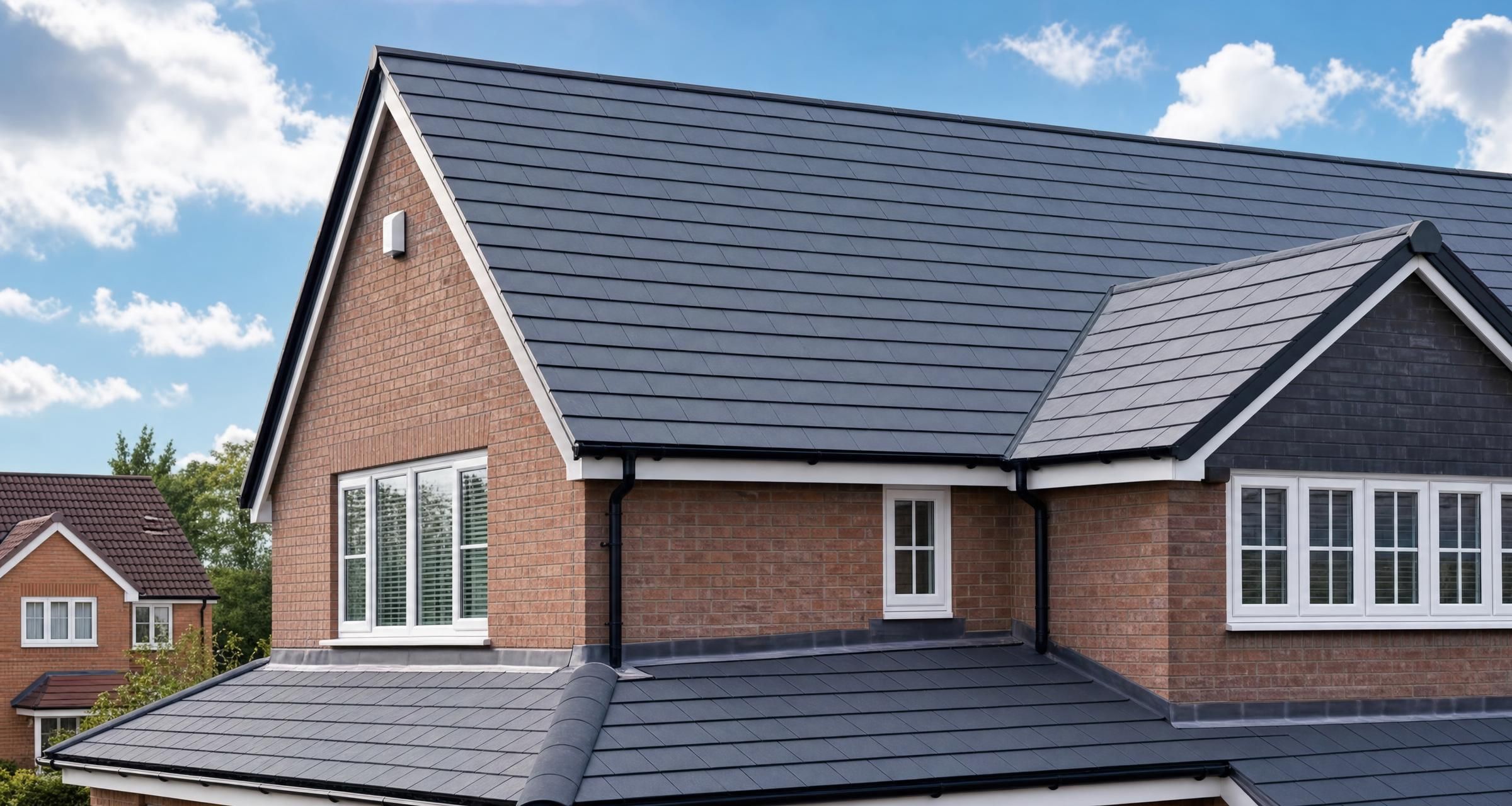
Roofers in Tilbury
Finding reliable Roofers in Tilbury is about more than locating someone who can replace a few slipped tiles. A roof is a working system made up of coverings, battens, underlay, flashings, gutters, ventilation and structure. If one part fails, water can find its way into the roof space, walls and ceilings surprisingly quickly. The right roofer will diagnose the actual cause, explain the options clearly and carry out repairs or replacement work that protects the property for years rather than simply hiding the symptom.
Whether you have noticed a stain on an upstairs ceiling, loose ridge tiles, overflowing gutters, cracked flashing or an ageing roof covering, it pays to act before a minor issue becomes timber decay, damaged insulation or internal plaster repairs. This guide explains what roofers can help with, what work should involve, likely costs, regulations, quote checks and the questions worth asking before committing.
What Roofers in Tilbury can help with
Roofing work varies greatly in scale. A small repair may take a few hours, while a full reroof can involve scaffolding, several trades and a programme of one to three weeks. A competent roofer should be comfortable explaining whether you need a focused repair, a partial renewal or full replacement.
Common pitched roof repairs
Pitched roofs are usually finished with concrete tiles, clay tiles, natural slate, fibre cement slates or composite products. Repairs often include replacing cracked or slipped tiles, renewing damaged ridge or hip tiles, repairing verge mortar, replacing broken battens, renewing underlay at eaves level and fixing failed valleys.
A single missing tile is not always a single tile job. The roofer should check whether the surrounding tiles are secure, whether the fixing nails have corroded, whether the battens have deteriorated and whether wind has lifted adjacent courses. Simply laying a tile back in place without checking its fixing can mean the same problem returns during the next period of strong weather.
Flat roof repairs and replacement
Flat roofs are common on garages, extensions, porches, dormers and bays. Common coverings include felt, GRP fibreglass, EPDM rubber and liquid applied systems. A leak can come from split felt, ponding water, a failed edge trim, poor detailing around a rooflight or defective flashing where the flat roof meets a wall.
Good flat roof work requires attention to falls. Water should drain towards the outlet or gutter rather than sitting in wide puddles. Some temporary ponding after heavy rain can occur, but persistent standing water accelerates deterioration and can reveal that the roof deck or supporting structure has dipped.
Leadwork, flashings and chimney repairs
Lead flashing protects vulnerable junctions around chimneys, abutments, valleys, dormers and roof windows. Cracked mortar around flashing, poorly dressed lead, inadequate laps and pinholes can all allow water behind the roof covering.
Leadwork should be formed with allowance for movement. Long lengths may need suitable laps or expansion detailing. Cover flashing should be properly chased into sound brickwork and secured, rather than being held in place with surface sealant alone. For further detail on failure points and correct repairs, see Lead Flashing Repair Explained for Homeowners Common Failures Best Fixes and When Replacement Is Needed.
Gutters, fascias and soffits
Gutter leaks are often mistaken for roof leaks. Blocked outlets, poor falls, failed joints, cracked downpipes and loose gutter brackets can send water down external walls. Over time, this can stain brickwork, damage timber fascias and create damp patches internally.
Roofline work may involve replacing fascias, soffits, bargeboards and guttering. If old timber is being covered with plastic rather than removed, ask how the condition of the timber has been checked. Covering rotten timber can conceal a problem and make later repairs harder.
Full reroofing work
A full reroof usually involves stripping the old roof covering, inspecting rafters, replacing defective timber where necessary, fitting breathable underlay and treated battens, renewing flashings and valleys, then installing new tiles or slates. Ridge, hip and verge details are completed last.
Roof replacement is a chance to correct poor ventilation, upgrade insulation at ceiling level where appropriate and deal with hidden defects. It is also the point at which the roofer should check whether the roof structure has movement, spreading or moisture damage that needs a carpenter or structural engineer.
How to tell whether your roof needs repair or replacement
Not every leak means a new roof is needed. Equally, repeated patch repairs on a worn covering can cost more over time than planned renewal. The decision should be based on condition, remaining service life, the number of defects and the integrity of the supporting materials.
| Issue | Likely approach | What should be checked |
|---|---|---|
| One or two slipped or cracked tiles | Localised repair | Tile fixings, battens, surrounding tiles and underlay |
| Leak at chimney or wall junction | Lead flashing repair or replacement | Brickwork joints, soakers, lead laps and roof covering around the junction |
| Repeated leaks across several areas | Detailed survey and possible partial or full reroof | Age of covering, underlay condition, battens, valleys and roof structure |
| Flat roof with cracks and extensive ponding | Renewal may be more economical than patching | Deck condition, falls, outlets, edge details and insulation |
| Loose ridge or hip tiles | Rebed, repoint or dry fix renewal | Condition of all ridge units, mortar bond and mechanical fixings |
| Water entering through overflowing gutters | Gutter cleaning, repair or replacement | Outlet blockage, gutter fall, joint seals, brackets and downpipes |
A roofer cannot always identify the full cause from ground level. A proper inspection may need access from a ladder, scaffold tower or scaffold, depending on the roof height, pitch and risks. Be cautious if someone states that an entire roof needs replacing without inspecting vulnerable details, the roof space or the condition of the existing covering.
What a professional roofing survey should involve
A useful survey starts with the symptoms. Tell the roofer when the leak occurs, whether it is worse during wind driven rain, whether water appears only after prolonged rainfall and whether the issue started after recent work. These details help narrow down likely causes.
The external inspection should consider the roof covering, ridge and hip lines, valleys, verges, abutments, chimneys, flashings, roof windows, gutters and drainage points. The internal inspection should include the loft where accessible. Signs such as damp insulation, staining on rafters, mould, daylight through the covering and wet underlay can identify the route water is taking.
Photos are valuable. Ask for clear images of the defect and surrounding area before work begins. For larger work, request photographs after stripping the old covering too. This provides a record of any damaged rafters, rotten battens or other concealed issues that could affect cost.
Warning signs that should not wait
- Water dripping through a ceiling or light fitting
- A ceiling that is bulging, sagging or becoming soft
- Loose roof tiles, slates or ridge units visible from ground level
- Lead flashing lifting away from brickwork
- Chimney brickwork becoming loose or unstable
- Persistent leaks around electrical fittings
- Flat roof sections that feel soft or springy under safe professional inspection
- Gutters pulling away from the fascia or overflowing onto walls
If water is near electrics, isolate the affected circuit if it is safe to do so and seek advice from a qualified electrician as well as a roofer. Do not enter a loft where ceilings appear unstable or where there may be damaged electrical wiring.
Typical roofing costs for homeowners
Roofing prices depend heavily on access, roof size, pitch, material, height, condition of the structure and whether waste removal is included. The figures below are realistic broad UK indications for 2026. An inspection and written scope are needed for an accurate price.
| Type of work | Typical price range including labour and materials | Usual timeframe |
|---|---|---|
| Replace a few slipped or broken tiles | £180 to £450 | Half a day to one day |
| Small slate repair | £250 to £650 | Half a day to one day |
| Repair or renew a short section of lead flashing | £350 to £1,200 | One to two days |
| Rebed or renew ridge tiles on a typical house | £700 to £2,000 | One to three days |
| Gutter cleaning and minor repair | £120 to £350 | Half a day |
| New guttering, fascias and soffits | £1,500 to £4,500 | Two to five days |
| Garage flat roof replacement | £1,200 to £3,500 | One to three days |
| Flat roof replacement on an extension | £2,500 to £7,500 | Three to seven days |
| Full reroof of a typical terraced or semi detached home | £8,000 to £18,000 or more | One to three weeks |
Scaffolding can make a substantial difference to the budget. A simple access scaffold may cost around £900 to £2,500, while complex scaffolding for difficult access, chimney work, pavement licences or a large roof can cost significantly more. A proper quote should state whether scaffold, edge protection and waste disposal are included.
Material choice also matters. Concrete tiles are widely used and generally economical, while clay tiles, natural slate and specialist heritage materials can increase labour time and supply costs. Slate requires particular care with fixing, headlap and handling. If you are comparing materials, Roof Tile Types Explained Clay Concrete Slate and Composite Options for Homeowners explains the practical differences between common options.
Why low roofing quotes can be risky
A low quote may be legitimate if the scope is genuinely smaller, but it can also omit essential items. Common omissions include scaffold, skip hire, replacement battens, breathable membrane, leadwork, ridge details, guttering, disposal charges and making good around roof windows or chimneys.
Do not compare one total against another total. Compare the written scope line by line. If one roofer has allowed for stripping the roof, new membrane, treated battens, new flashings and disposal, while another has only stated “reroof”, they are not pricing the same work.
What to ask for in a roofing quote
A professional quote does not need to be lengthy, but it should be specific enough to establish what is included, what is excluded and what happens if hidden defects are found. Verbal agreements are difficult to rely on if there is a later disagreement about materials or finishing details.
Your roofing quote checklist
- The exact roof area or section to be repaired or replaced
- The tile, slate or flat roof system proposed
- Whether existing materials will be removed or overlaid
- Whether underlay, battens and fixings are included
- Leadwork details, including chimneys, valleys and abutments
- Ridge, hip and verge method, whether mortar based or dry fixed
- Scaffolding, access equipment and edge protection
- Skip hire, removal of waste and site clearance
- Allowances for timber repairs and how extra work will be authorised
- Start date, estimated duration and weather contingency
- Payment schedule and whether a deposit is requested
- Guarantee details covering workmanship and materials
- Whether Building Regulations approval or certification is required
For a repair, ask the roofer to describe the suspected source of the leak and the proposed remedy. “Seal around chimney” is not a clear specification. “Remove defective lead cover flashing, repair chase, install new code appropriate lead flashing and renew affected tiles” is much clearer.
How to choose a roofer safely and fairly
Roofing is skilled work carried out at height. The most suitable contractor is not necessarily the person who can start tomorrow or the one who offers the lowest price. Look for someone who is prepared to inspect properly, explain the work without pressure and provide a written quotation.
Checks worth making before you hire
- Ask for the business name, address and contact details
- Check that the business has public liability insurance suitable for roofing work
- Ask about experience with your roof material and type of repair
- Request recent examples of similar work
- Ask whether scaffolding will be used and who is responsible for arranging it
- Check what workmanship guarantee is offered and whether it is in writing
- Confirm whether subcontractors will be involved
- Ask whether the contractor is registered with a recognised competent person scheme where relevant
Membership of a trade body does not guarantee a perfect job, but it can provide an additional check. The National Federation of Roofing Contractors provides information about roofing standards and contractor membership. For work involving access equipment, homeowners should also expect contractors to follow the principles of the Health and Safety Executive guidance on working at height.
A roofer should not ask you to climb onto the roof, inspect a high ladder or take risks to save money. Nor should they rely on a ladder for extensive work where scaffold or another suitable system is required. Safe access protects the workers, your household and your property.
Deposits and payment terms
For a small repair, payment on completion is common. For larger work, a reasonable deposit may be required to order materials or secure scaffold. Avoid paying the full amount before work starts. A staged payment arrangement should reflect completed work and material delivery, with a sensible final balance retained until the agreed scope is complete and the site is cleared.
Be very cautious of doorstep callers who claim they have spotted roof damage, offer spare materials from another job or insist that urgent payment is needed. If a problem has been identified, take photographs, obtain a written diagnosis and seek another opinion for substantial work.
Planning permission and Building Regulations for roofing work
Many like for like repairs do not require planning permission. Replacing tiles, fixing flashings or renewing gutters is normally maintenance. However, restrictions can apply if your home is listed, located in a conservation area, subject to an Article 4 direction or if the work materially changes the roof’s appearance. Alterations such as raising the roof, adding a dormer, installing roof lights in certain positions or changing the roof form may require planning permission.
For current advice, check the Planning Portal guidance for roof work before instructing a contractor on any alteration beyond straightforward repair.
In England, Building Regulations normally apply when 25 per cent or more of the roof area is being renovated, such as when the existing covering is stripped and replaced. A roof is a thermal element, so work reaching this threshold will normally require the thermal performance of the roof to be improved. The insulation upgrade must be technically, functionally and economically feasible. Building control can advise where limited construction depth, moisture risk or protected historic fabric affects what can reasonably be achieved.
Before notifiable work starts, an application should be made to the local authority building control service or a registered building control approver. Alternatively, a roofer registered with an authorised competent person scheme for roof refurbishment can self certify compliant work and issue the appropriate certificate after completion. Minor repairs affecting less than 25 per cent of the roof area will not usually need notification, provided they do not involve structural alterations or other controlled work. Structural changes, altered loading, new roof openings, fire safety measures and significant changes to ventilation may require Building Regulations approval regardless of the area involved.
The roof covering itself should be suitable for the pitch and exposure of the roof. Tiles and slates have minimum pitch requirements set by manufacturers. Using a product below its recommended pitch can lead to wind driven rain penetration even where the tiles appear correctly fitted.
Ventilation and condensation
A warm, damp loft is not always caused by a roof leak. Condensation can form where moist air from kitchens, bathrooms or bedrooms reaches a cold roof space. Blocked eaves ventilation, overfilled insulation and unsealed loft hatches can worsen the issue.
During reroofing, the contractor should consider whether ventilation paths at eaves, ridge or both are needed for the roof design. Bathroom extractors should discharge outside, not into the loft. A new roof covering will not solve condensation if the underlying moisture source remains.
Common roofing mistakes that lead to expensive repairs
Using sealant as the main repair
Roofing sealant has limited uses, but it is not a substitute for correctly formed flashing, tiles, fixings or waterproof detailing. A thick bead of mastic over cracked lead or failed mortar may slow a leak briefly, then split as the materials move with temperature changes.
Replacing tiles without checking the cause
Tiles can break because of impact, frost damage, failing fixings or movement in the roof structure. Replacing a visible tile is sensible only after checking why it failed. If nails are corroded across the roof, further slipping may be likely.
Ignoring valleys and gutters
Valleys receive large volumes of water and debris. Moss, leaves and broken tile fragments can block them, pushing water beneath the roof covering. Gutter maintenance is equally useful because overflowing gutters can saturate roofline timber and masonry. Seasonal checks are usually cheaper than emergency repairs. See Expert Tips on Maintaining Your Roof and Gutters for practical maintenance advice.
Covering over damaged timber
Fascias, soffits and roof coverings can conceal rot. Any contractor proposing to cover existing materials should explain how they have assessed the condition behind them. Rotten battens or decayed timber should be repaired rather than hidden under new finishes.
Choosing materials on appearance alone
A tile may look right but be unsuitable for the roof pitch, loading or fixing method. A heavier replacement material can affect the roof structure. Natural slate, clay tile and concrete tile roofs all have different weights and detailing requirements. Matching the existing roof is often desirable, but technical suitability comes first.
Preparing your home before roofing work starts
Roofing is external work, but there will still be noise, dust and vibration. Before the team arrives, move vehicles away from the scaffold area, clear garden furniture, protect fragile items in the loft and remove valuables from rooms directly below major work if possible.
Let neighbours know if scaffold, skips or deliveries may affect shared access. If scaffold needs to be placed on a pavement or public highway, the scaffold company may need a licence from the relevant authority. This should be arranged properly, not assumed.
Keep children and pets away from the work zone. Falling debris is a risk during stripping work, even with protective measures in place. Agree access arrangements, working hours, toilet facilities if required and where materials can be stored before work begins.
Questions to ask before approving a full reroof
- Will the existing roof covering be fully stripped, and how will waste be removed?
- What underlay and battens are being installed, and are they suitable for the chosen covering?
- How will chimneys, valleys, roof windows and wall junctions be detailed?
- What happens if rotten rafters, damaged decking or failed insulation are found?
- Is scaffold included for the full duration of the work?
- What roof ventilation will be provided or retained?
- Will Building Regulations notification be needed, and who will arrange it?
- What product and workmanship warranties will I receive at completion?
- Will I receive photographs of concealed repairs before they are covered?
A roofer who answers these questions clearly is more likely to have planned the work properly. Vague promises and rushed decisions are poor foundations for a project that should last decades.
FAQ about Roofers in Tilbury
How much do Roofers in Tilbury charge for a roof repair?
For a straightforward repair such as replacing a small number of tiles, homeowners may pay around £180 to £450, depending on access and the height of the roof. Repairs involving scaffold, lead flashing, valleys, chimneys or several damaged areas can cost from £500 to £1,500 or more. Emergency call outs may cost extra, particularly outside normal working hours. Always ask whether access equipment, materials, waste removal and VAT are included in the stated price.
Do I need scaffolding for roof repairs?
Not every small repair needs scaffold. A roofer may be able to carry out limited low level work using suitable ladder systems and roof safety equipment. However, scaffold is often the safest and most practical option for extensive repairs, chimney work, full reroofing, gutter replacement at height or work requiring materials to be handled across a large roof area. The decision should be based on risk, duration, roof pitch and access, rather than simply trying to keep the quote low.
How long should a replacement roof last?
Service life depends on the material, installation quality, roof pitch, weather exposure and maintenance. A well installed concrete tile roof can last several decades. Clay tiles and natural slate can last considerably longer, although battens, underlay, fixings and flashings may need attention before the covering itself reaches the end of its life. Flat roof life varies by system and detailing quality. Regular clearing of gutters, inspection after storms and timely repair of local defects all help extend roof life.
Can a roofer repair a leak during wet weather?
A roofer may be able to install a temporary weatherproof repair during wet conditions, such as securing a tarp or dealing with an immediate point of water entry where it is safe to do so. Permanent work involving stripping tiles, fitting underlay, applying certain flat roof systems or renewing extensive leadwork is usually best completed in suitable dry conditions. Safety is also a major factor because wet roof surfaces are hazardous. A reputable contractor will protect the roof as far as possible, then return for the permanent repair when conditions allow.
Do I need permission to replace my roof?
Like for like replacement of a roof covering often does not need planning permission. Different restrictions may apply to listed buildings, homes in conservation areas and work that changes the roof shape, materials or height.
In England, Building Regulations normally apply when 25 per cent or more of the roof area is renovated. This usually means the roof insulation must be improved where doing so is technically, functionally and economically feasible. The work should be notified to a local authority building control service or registered building control approver before it starts, unless a roofer registered with an authorised competent person scheme will self certify it. Ask who will handle notification and make sure you receive the completion or compliance certificate after the work.
Final Thoughts
Roof problems reward early action. A clear diagnosis, safe access, written scope and properly detailed repair will usually cost less than allowing water to damage insulation, timber and internal finishes. Take time to compare what each quote includes, confirm how the work will be accessed and insist on a solution that addresses the cause rather than just the visible symptom.
If you need repairs, maintenance or a full reroof, post a job on BookaBuilderUK to receive free quotes from vetted local tradespeople.


