
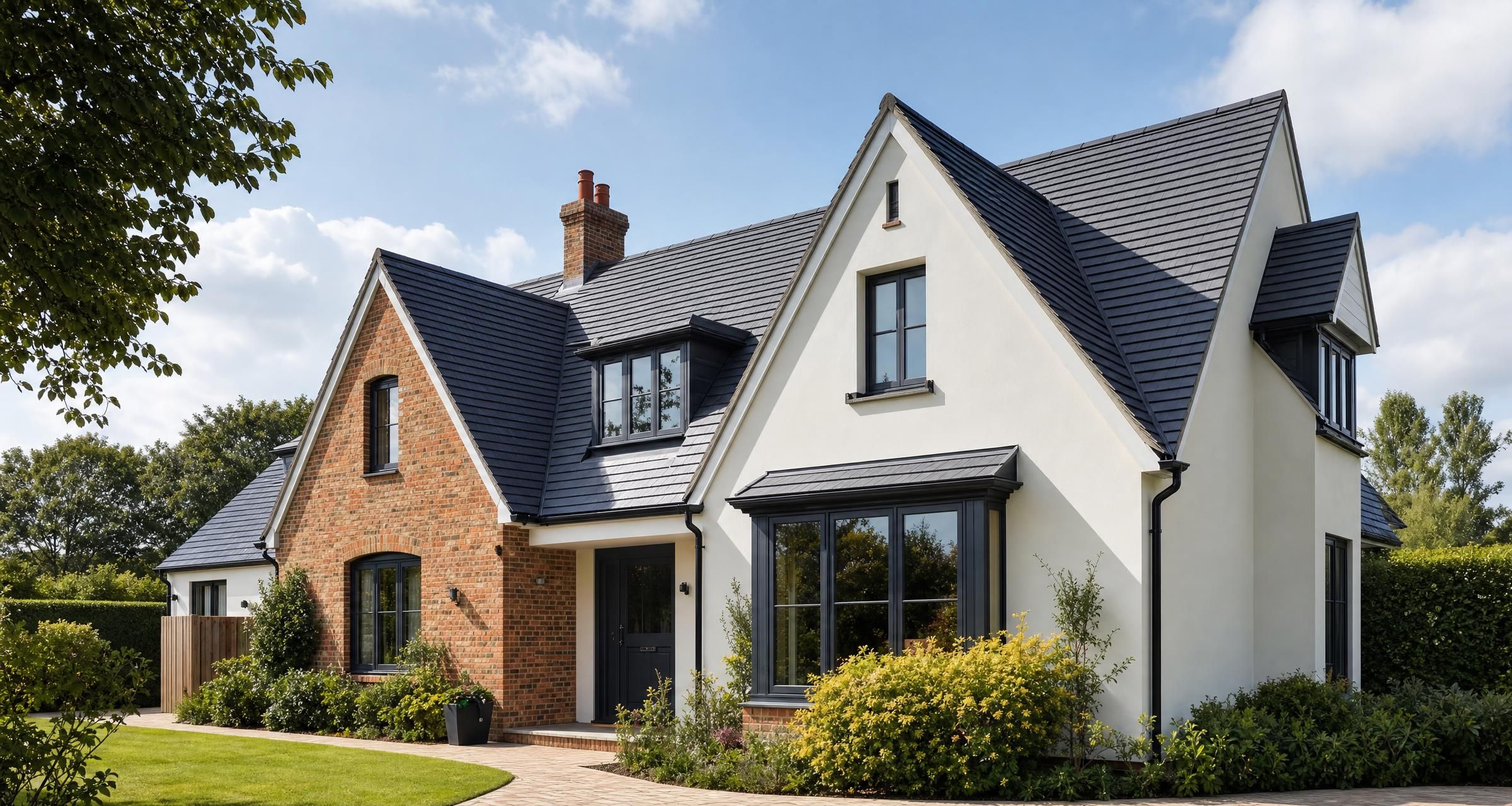
Roofers in Wivenhoe
Finding reliable roofers in Wivenhoe is about more than getting a quick price for a slipped tile or a visible damp patch. A roof is a working system made up of coverings, battens, membranes, flashings, gutters, ventilation and structural timbers. A fault in one area can allow water into another, so a sound diagnosis is often worth far more than the cheapest initial quote.
Whether you need an emergency repair, replacement leadwork, new guttering, a flat roof renewal or a complete reroof, the right contractor should explain what has failed, show you evidence where possible, set out the proposed repair in writing and leave you with clear paperwork. Roofing work can look straightforward from ground level, but access, weather exposure, hidden timber condition and detailing around junctions all affect the final outcome.
This guide explains the services a roofer can provide, what work should involve, realistic costs, relevant regulations and the checks worth making before you instruct anyone.
What roofers in Wivenhoe can help with
A competent roofer should be able to inspect the full roof covering and associated rainwater goods rather than simply replacing the nearest broken tile. Water does not always enter directly above the stain seen indoors. It can travel along felt, battens, rafters or ceiling linings before becoming visible.
Roof repairs and fault finding
Most roofing enquiries begin with a leak, damp mark, loose tile, blocked gutter or concern after high winds. Common repair work includes replacing cracked or slipped slates and tiles, renewing ridge and hip tiles, repairing valleys, repointing chimney stacks, renewing lead flashings and correcting failed mortar bedding.
A roofer may also need to lift a small area of covering to check the underlay, battens and rafters. If timber battens have decayed or the membrane has deteriorated, fitting one replacement tile will not be a lasting repair. Ask the contractor to identify both the visible symptom and the underlying cause.
Full or partial reroofing
A reroof may involve stripping existing tiles or slates, inspecting the roof structure, fitting breathable membrane and treated battens, renewing flashings and fitting new roof coverings. The work can also include insulation improvements, ventilation measures, guttering and replacement fascias or soffits.
A partial reroof can make sense where one roof slope has failed, such as a rear addition with worn felt or a section affected by poor detailing. It is not always economical to patch a roof that has widespread tile failure, failing battens and multiple leaking junctions.
For a more detailed breakdown of materials, access and labour, see How Much Does It Cost to Replace a Roof in the UK in 2026? Materials, Labour and Scaffolding Explained.
Flat roof work
Flat roofs are common on extensions, garages, porches, dormers and bay windows. A modern flat roof might use torch applied felt, EPDM rubber, GRP fibreglass, single ply membrane or liquid applied waterproofing. Each has different detailing requirements around edges, outlets, upstands and abutments.
Ponding water is not automatically proof that a flat roof has failed, but persistent standing water can shorten its service life and point to inadequate falls or blocked outlets. A roofer should inspect the drainage route before proposing a new waterproof layer.
Leadwork, chimneys and roof junctions
Lead is used around chimneys, abutments, valleys, dormers and roof penetrations because it can accommodate movement while shedding water. Poorly dressed, cracked or poorly supported leadwork is a frequent cause of recurring leaks.
Quality leadwork requires correctly sized pieces, proper laps, suitable fixings, expansion provision and compatible materials. Smearing sealant over failed flashing may slow a leak temporarily, but it is rarely a permanent repair. Read Lead Flashing Repair Explained for Homeowners Common Failures Best Fixes and When Replacement Is Needed before agreeing to a flashing repair.
Gutters, fascias and soffits
Roofers often repair or replace gutters, downpipes, fascias, soffits and verge boards. These items protect the roof edge and direct rainwater away from walls and foundations. Overflowing gutters can cause staining, rotten timber, damp masonry and water penetration at eaves.
Gutter work should include checking the fall towards outlets, joint condition, bracket spacing and discharge into the correct drainage point. Replacing a gutter without clearing the outlet or correcting its fall is wasted effort.
How a professional roofing inspection should work
A proper survey starts from ground level and, where safe, includes close inspection from a ladder, scaffold, roof access equipment or drone imagery. No reputable roofer should walk freely across fragile roof coverings or old fibre cement sheets without suitable precautions.
The inspection should consider the following:
- Condition and alignment of tiles or slates
- Ridge, hip and verge security
- Valleys, flashings and roof penetrations
- Chimney brickwork, pointing, pots and flaunching
- Gutter falls, outlets and downpipes
- Signs of failed underlay or decayed battens
- Ventilation at eaves and ridge where relevant
- Visible condition of rafters and roof timbers from inside the loft
- Insulation location, depth and any blocked ventilation paths
- Evidence of damp, mould, water staining or woodworm
Ask for photographs of defects, especially where the work is not visible from the ground. Photos do not replace expertise, but they make the explanation easier to understand and give you a record of the roof before work begins.
Internal loft inspection matters. Condensation can be mistaken for a roof leak, particularly where loft insulation has been increased without maintaining airflow at the eaves. A roofer who only looks at the external covering may miss this distinction.
Choosing roofers in Wivenhoe with confidence
Roofing has a high proportion of urgent callouts, which makes homeowners vulnerable to vague diagnoses and pressure sales. A contractor does not need to promise that every repair will be simple. In fact, a roofer who explains uncertainty before lifting tiles is often being more honest than one who claims to know the full extent from the driveway.
Check experience relevant to your roof type
Ask what type of work the roofer carries out regularly. A contractor experienced in pitched concrete tile roofs may not be the best choice for heritage slate, complex lead valleys, thatch, zinc roofing or a large GRP flat roof. Request examples of comparable work, with enough detail to establish that it was their own project.
For slate and leadwork, look for careful discussion of material selection, fixings, lap sizes and ventilation. For flat roofs, ask which system is proposed, the manufacturer warranty available and whether the installer is approved for that system.
Insurance, access and safety
Ask to see current public liability insurance and confirm that the business is insured for the type and scale of work proposed. If employees are involved, employers liability insurance is generally required.
Safe access should be included in the quotation. Roofing is work at height and the Health and Safety Executive guidance on work at height makes clear that work must be properly planned, supervised and carried out by competent people. Ladders may be reasonable for short duration inspection or minor work, but they are not a substitute for safe access on major repairs or reroofing.
Scaffolding can appear expensive, yet it gives roofers a stable working platform and reduces the risk of damage caused by repeated ladder movements. It also makes it easier to carry out careful work at eaves, valleys and chimneys.
Get a written scope before accepting a quote
A verbal estimate is not enough for work that involves stripping coverings, changing materials or working around chimneys and valleys. The quote should state exactly what is included and excluded.
- The roof areas and defects covered by the work
- Materials, brands or specifications where known
- Whether tiles or slates will be new, reclaimed or reused
- Membrane, battens, fixings and ventilation provisions
- Lead code and extent of flashing work where relevant
- Scaffold, skip hire, waste removal and protection of the property
- Allowances for timber repairs and the process for approving extras
- Expected start date and realistic duration
- Payment schedule and VAT status
- Workmanship guarantee and manufacturer warranty details
A quote that says only “repair roof” gives too much room for disagreement. It is reasonable for a roofer to include a provisional allowance for hidden defects, but this should be clearly identified rather than added without discussion.
Typical roofing costs for UK homeowners
Prices vary with roof size, pitch, materials, ease of access, waste volume and the condition found beneath the covering. Properties with multiple valleys, chimneys, dormers and awkward access take longer than a simple rectangular roof. VAT may also apply, so establish whether every figure includes it.
| Type of work | Typical UK price range | Likely timescale |
|---|---|---|
| Replace a small number of slipped or cracked tiles | £180 to £450 | Half a day to one day |
| Localised roof repair with lifted tiles and minor batten work | £450 to £1,200 | One to two days |
| Renew chimney flashing or a small lead apron | £500 to £1,500 | One to three days |
| Rebed ridge or hip tiles | £600 to £2,000 | One to three days |
| Gutter replacement to a typical house | £700 to £2,000 | One to two days |
| Small flat roof replacement | £1,500 to £4,500 | Two to five days |
| Scaffolding for a typical domestic roof project | £900 to £2,500 | Usually hired for the project period |
| Full pitched roof replacement | £8,000 to £25,000 plus | One to three weeks |
These figures are planning ranges, not fixed quotations. Natural slate, handmade clay tiles, extensive leadwork, structural timber repairs and difficult access can push costs substantially higher. Conversely, a small uncomplicated repair may cost less where access is easy and matching materials are readily available.
Why two roofing quotes can differ sharply
Do not compare the final total alone. A low quote may omit scaffold, disposal, replacement battens, leadwork, ventilation or making good around gutters. Another contractor may have allowed for all of these items from the outset.
Check whether both contractors are quoting for the same roof system. For example, one flat roof quote may cover a basic overlay while another includes stripping failed layers, replacing wet decking, correcting falls, fitting new edge trims and renewing outlets. Those are very different jobs.
Ask whether damaged timber is included. Roofers cannot always see rafter ends and battens until coverings are lifted, but their quote should explain how discoveries will be priced and approved. Agree that photographs and a clear price will be supplied before substantial additional work is undertaken.
Roof materials and matching an existing roof
Where repairs are visible, matching the existing roof matters. Tile profile, colour, size, thickness and interlocking pattern all affect both appearance and weather performance. A tile that looks similar may not sit correctly with the existing course gauge or side interlock.
Clay tiles can weather attractively and may last for generations, but some older examples are brittle and must be handled carefully. Concrete tiles are widely used and robust, though they can be heavy. Natural slate is durable and visually distinctive, but requires the right fixing method and skilled detailing. Composite products can offer consistent appearance and lower weight for certain projects.
Material choice should consider the pitch of the roof, exposure, existing structure, planning constraints, budget and the manufacturer installation guidance. This article on Roof Tile Types Explained Clay Concrete Slate and Composite Options for Homeowners explains the practical differences between common roof coverings.
Be cautious about coating old tiles as an alternative to repair or replacement. A coating cannot solve defective flashings, rotten battens, failed underlay or poor ventilation. It may also alter the appearance of the roof and create later maintenance issues if applied badly.
Planning permission and building regulations for roofing work
Many like for like repairs do not need planning permission. Replacing a few tiles, renewing lead flashing or repairing gutters is usually maintenance. However, permission may be required where work materially changes the appearance of a roof, particularly on protected buildings or in areas subject to additional planning controls.
Replacing an existing roof covering with a noticeably different material can require planning permission in some circumstances. Listed buildings need particular care because even apparently minor changes may require listed building consent. Before choosing a different covering, changing the roof profile, adding dormers or installing rooflights, check guidance through the Planning Portal roof project information and confirm requirements with the relevant local planning authority.
Building regulations can apply where roof structure is altered, a new roof is formed, a loft is converted, significant insulation work is undertaken or fire safety provision changes. Thermal performance requirements may also arise during substantial renovation of a roof element. In practice, the contractor or building control body should assess whether the proposed scope triggers notification and what insulation standard is reasonably achievable.
For reroofing, avoid assuming that adding insulation is always simple. Insulation at rafter level requires correct ventilation or a properly designed warm roof arrangement. Insulation at ceiling level must not block eaves ventilation. Poor detailing can cause condensation and timber decay even where the new roof covering is watertight.
Common roofing problems and mistakes to avoid
Accepting an emergency quote without detail
After a storm, homeowners naturally want the roof made safe quickly. Emergency work is sometimes necessary, particularly where tiles are loose or water is entering the property. Ask for temporary works to be clearly separated from the permanent repair. A roofer may need to fit a temporary cover first, then return in suitable weather with materials and safe access.
Using sealant as the main repair
Sealant has a place in specific details, but it should not be the main answer to a failed valley, cracked lead flashing or slipped tile. Roofs are designed to shed water through laps, drainage and correctly installed materials. Surface sealant often fails as the roof moves through seasonal temperature changes.
Ignoring gutters and ventilation
A roof repair can be undermined by blocked gutters, overflowing valleys or condensation in the loft. Include gutters, downpipes and loft ventilation in the inspection. Regular maintenance is cheaper than allowing a minor overflow to rot the roof edge. For practical seasonal checks, read Expert Tips on Maintaining Your Roof and Gutters.
Paying too much upfront
A reasonable deposit may be needed for special order materials or to secure scaffold, but large upfront cash payments are a warning sign. For a substantial reroof, a staged payment plan linked to clear progress is more sensible. Keep every quote, invoice, receipt, guarantee and photograph in one file.
Assuming a guarantee covers every future issue
A workmanship guarantee usually covers defects in the contractor’s installation. It may not cover storm damage, accidental damage, blocked gutters, movement in the building or unrelated deterioration elsewhere on the roof. Ask what is covered, for how long, who provides the guarantee and whether it is transferable if you sell the property.
A practical checklist before roofing work starts
- Describe the problem clearly, including when it occurs and whether it follows wind or heavy rain.
- Take photographs from ground level and inside the loft, without putting yourself at risk.
- Request at least two detailed written quotations for anything beyond a small repair.
- Check insurance, relevant experience and independent reviews.
- Confirm scaffold, access, waste removal and protection of paths, gardens and vehicles.
- Ask how hidden defects will be reported, priced and approved.
- Check whether planning permission or building regulations approval may be required.
- Agree start dates, working hours, payment stages and guarantee terms in writing.
- Inspect completed work from safe locations and request photographs of inaccessible areas.
- Keep the final invoice, warranty documents and material information.
FAQ about Roofers in Wivenhoe
How much do roofers in Wivenhoe charge for a small roof repair?
A minor repair such as replacing a few slipped tiles may cost around £180 to £450, depending on access and the materials required. If scaffold is needed, the cost can increase substantially because access may cost more than the tile repair itself. Repairs involving valleys, chimneys, leadwork or rotten battens commonly fall between £450 and £1,200 or more. The only reliable figure is a written quote following inspection.
Do I need scaffolding for roof repairs?
Not every small repair requires scaffolding. A roofer may use a ladder safely for a short duration task where the roof edge is accessible and the risk is controlled. Scaffolding is generally appropriate for major repairs, reroofing, chimney work, prolonged work at eaves or projects where materials must be handled repeatedly. It protects workers, allows more careful workmanship and reduces the risk of damage to gutters and roof edges.
Can a roofer repair a leak in wet weather?
A roofer can often make the roof safe during wet weather using temporary measures, such as securing loose materials or applying a suitable temporary cover. Permanent work involving membranes, felt systems, adhesives, mortar or extensive stripping may need dry conditions and acceptable temperatures. A responsible contractor will not compromise the repair simply to finish quickly in unsuitable weather.
How long should a roof repair take?
Simple tile or gutter repairs may take a few hours. Localised repairs involving lifted coverings, battens or leadwork can take one to three days. A small flat roof may take two to five days, while a full reroof often takes one to three weeks depending on size, access, weather, structural repairs and the complexity of the roof. Your roofer should provide a realistic programme and explain likely weather delays.
Should I repair or replace an ageing roof?
Repair is normally sensible where failure is localised and the wider roof remains sound. Replacement becomes more cost effective where tiles or slates are failing across several areas, battens have deteriorated, the membrane has reached the end of its serviceable life or repeated repairs are needed every year. Ask the roofer to price both options where practical, with a clear explanation of expected lifespan, disruption and what each scope includes.
Final Thoughts
Roofing decisions are easier when you have a clear diagnosis, a detailed specification and a contractor prepared to explain the work without pressure. Focus on the cause of the defect, not just the visible symptom, and make sure access, materials, waste, guarantees and possible extra works are agreed before work starts.
If you need help finding the right professional, you can post a job on BookaBuilderUK to receive free quotes from vetted local tradespeople.


